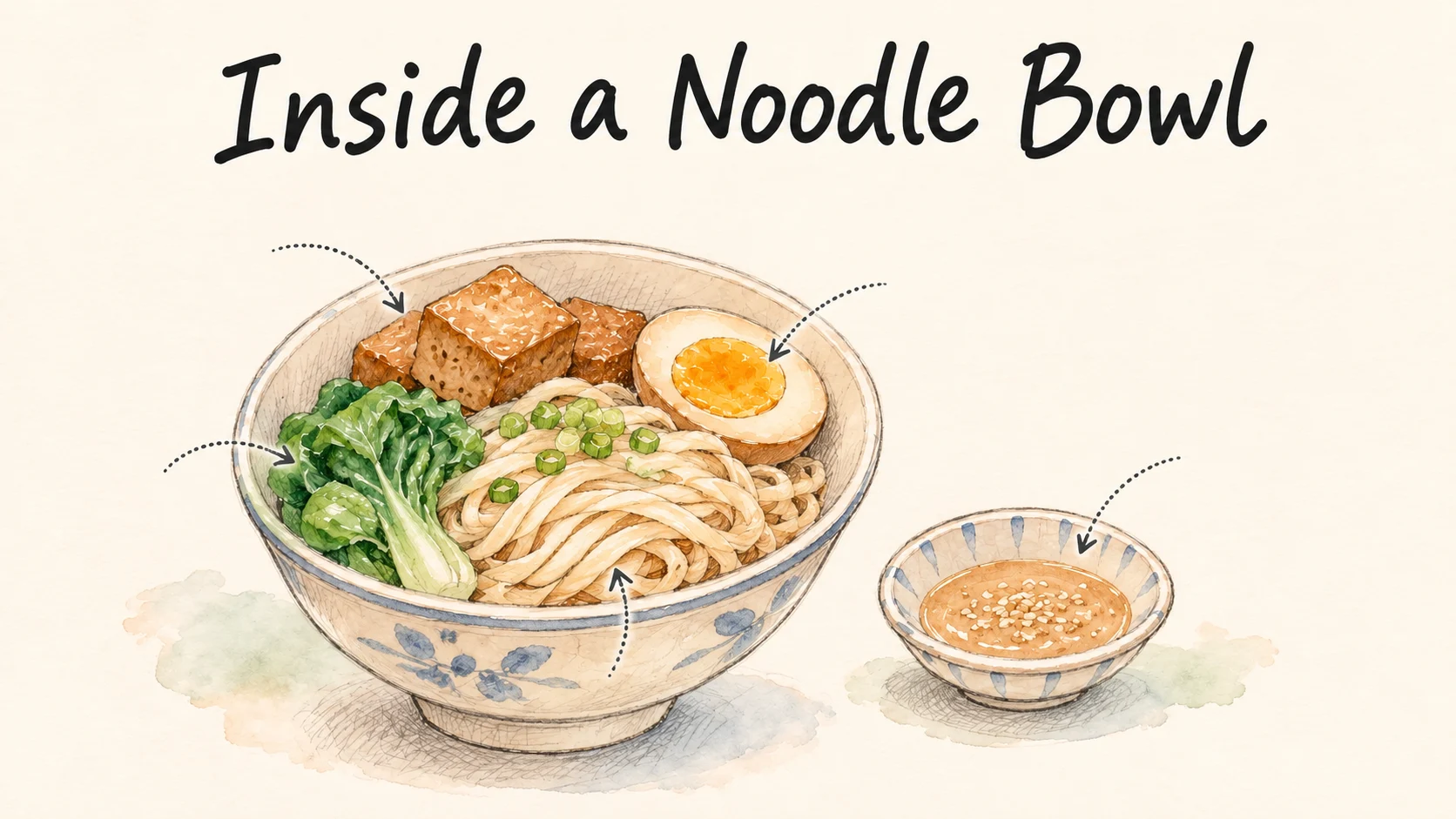
A full bowl of soup can hold less noodle than a bowl of sesame noodles. Estimate the cooked noodles, toppings, and sauce to make either bowl a meal.
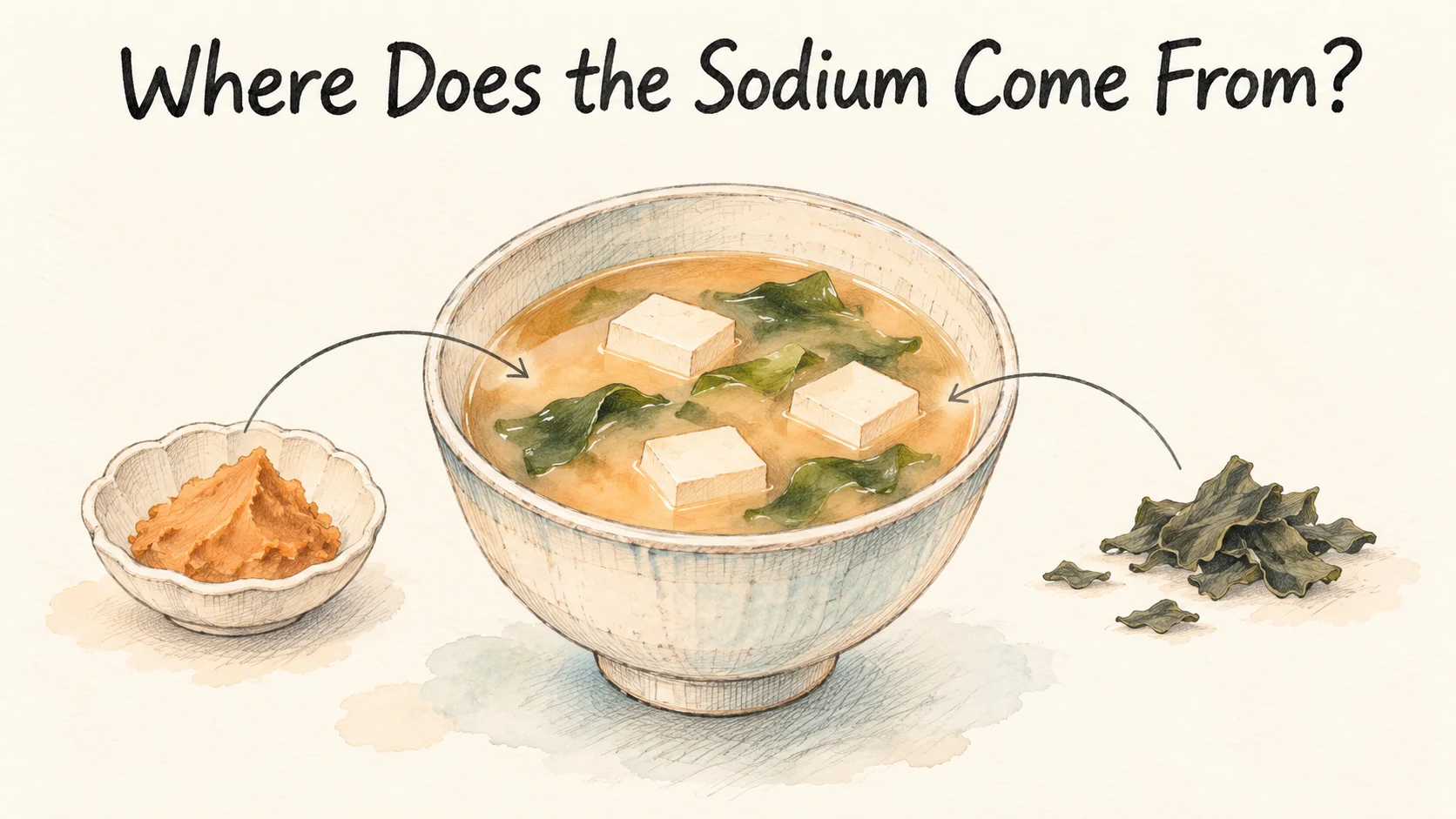
Two soups, a ladle, and a little math show how to estimate sodium from the ingredients and what dilution changes in a serving.
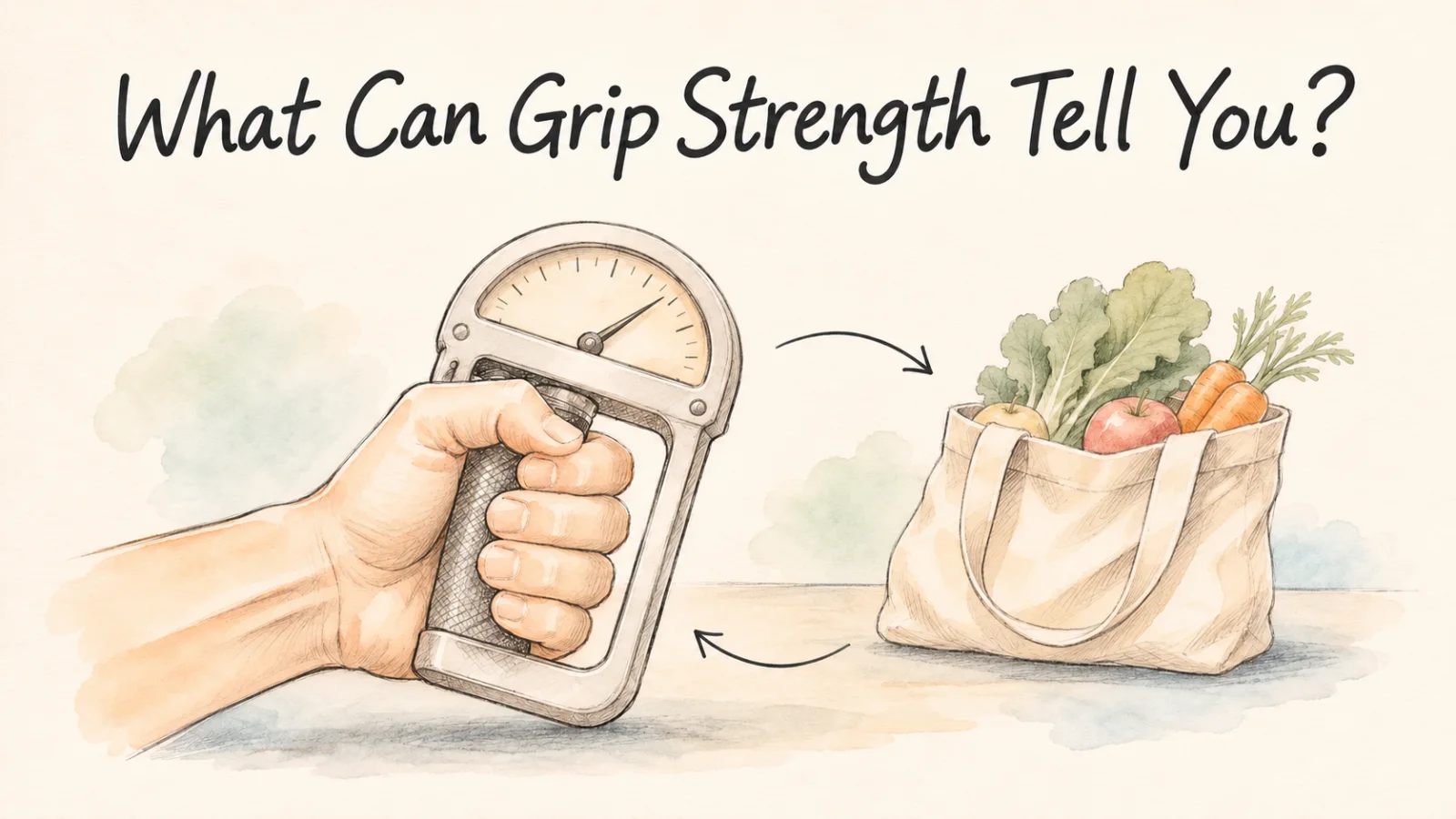
From carrying groceries to a study across 17 countries, here's what a grip test measures and how to read it in context.
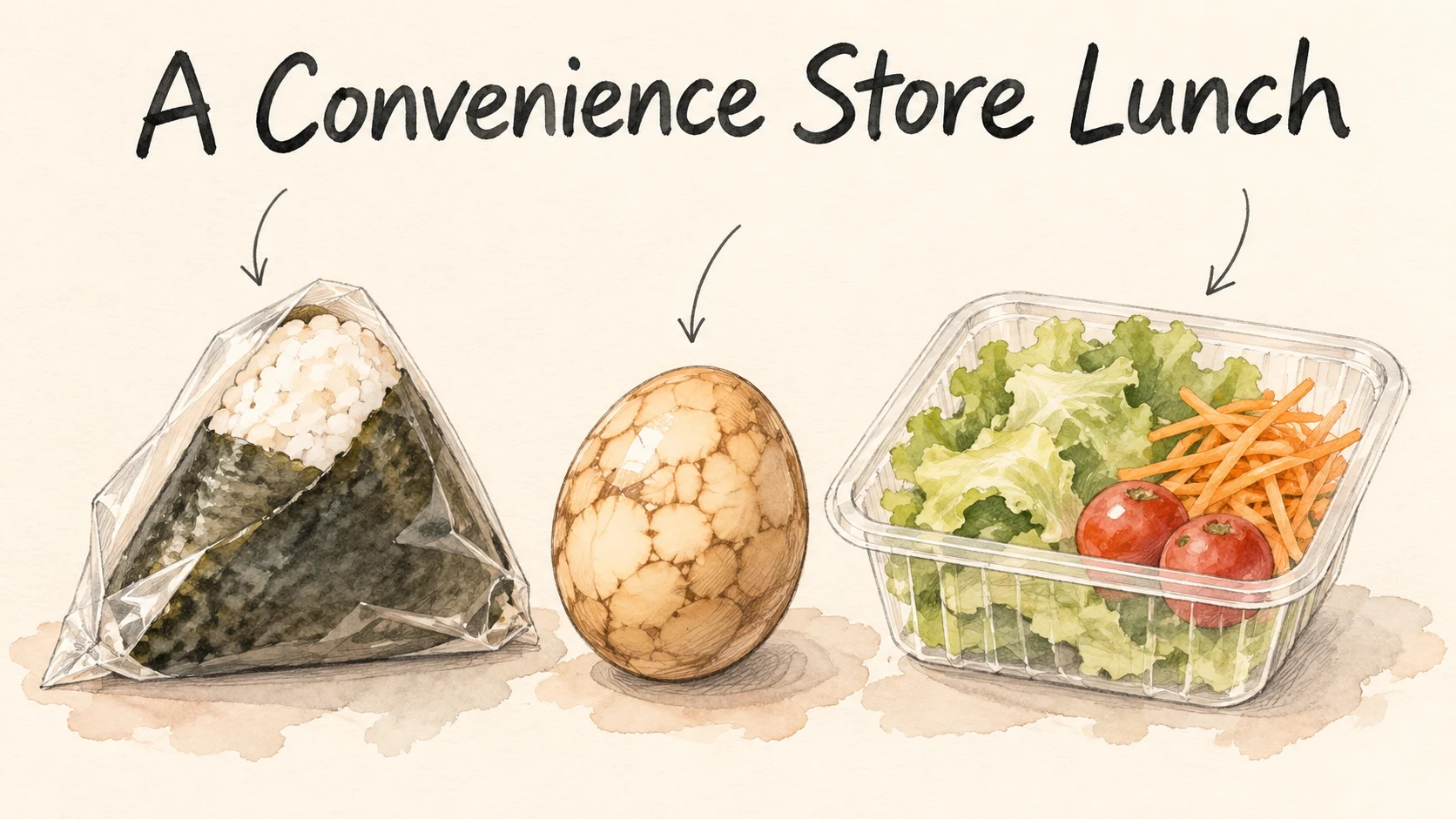
Start with a rice ball, a boxed meal or a chicken salad. Look at how much staple food, protein food and vegetables you have, then shop for the missing part.
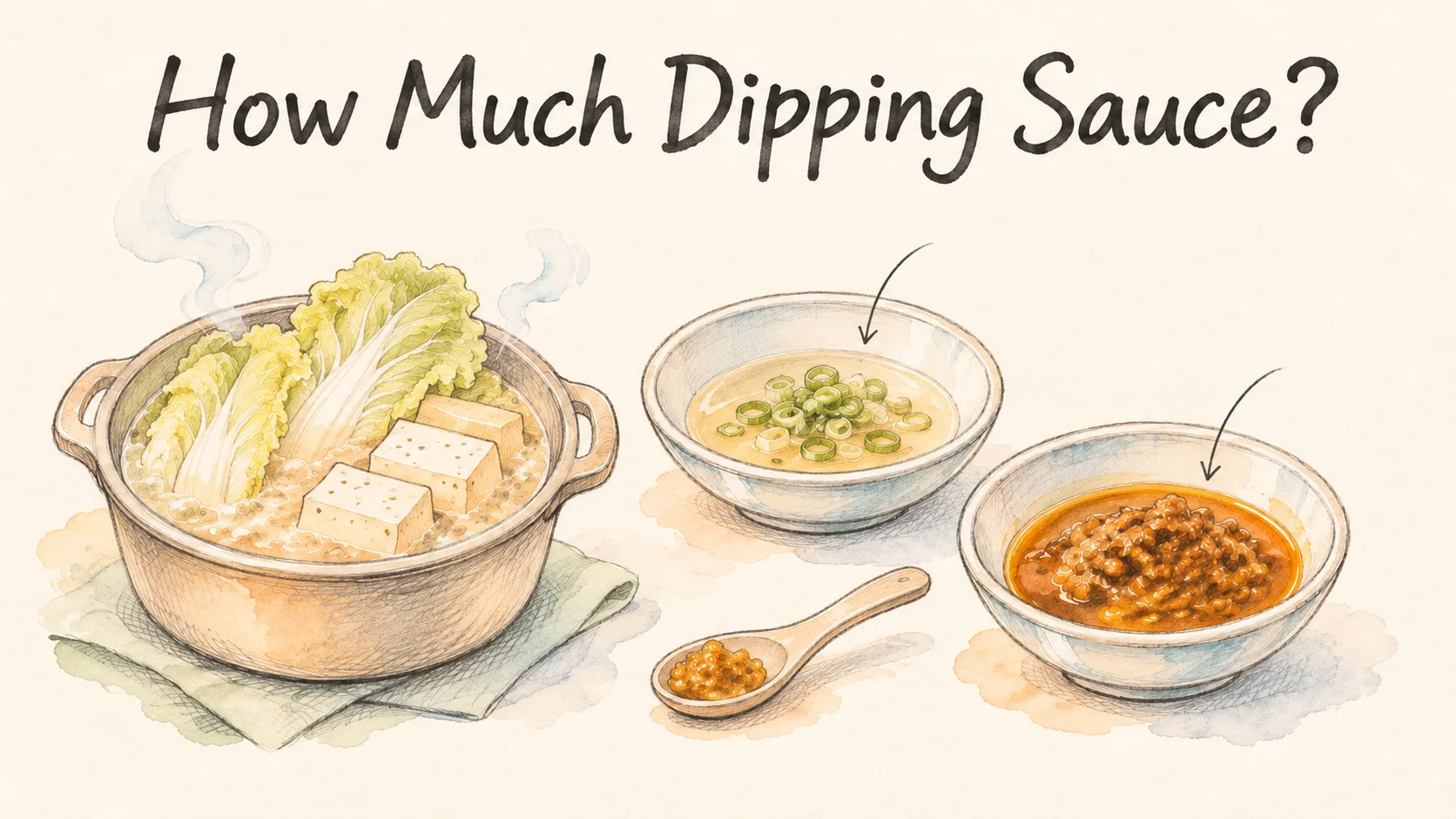
Ten grams of shacha and ten grams of sweet chili sauce can be sixfold apart in calories. Here's how to estimate what you scoop, mix, and actually eat.
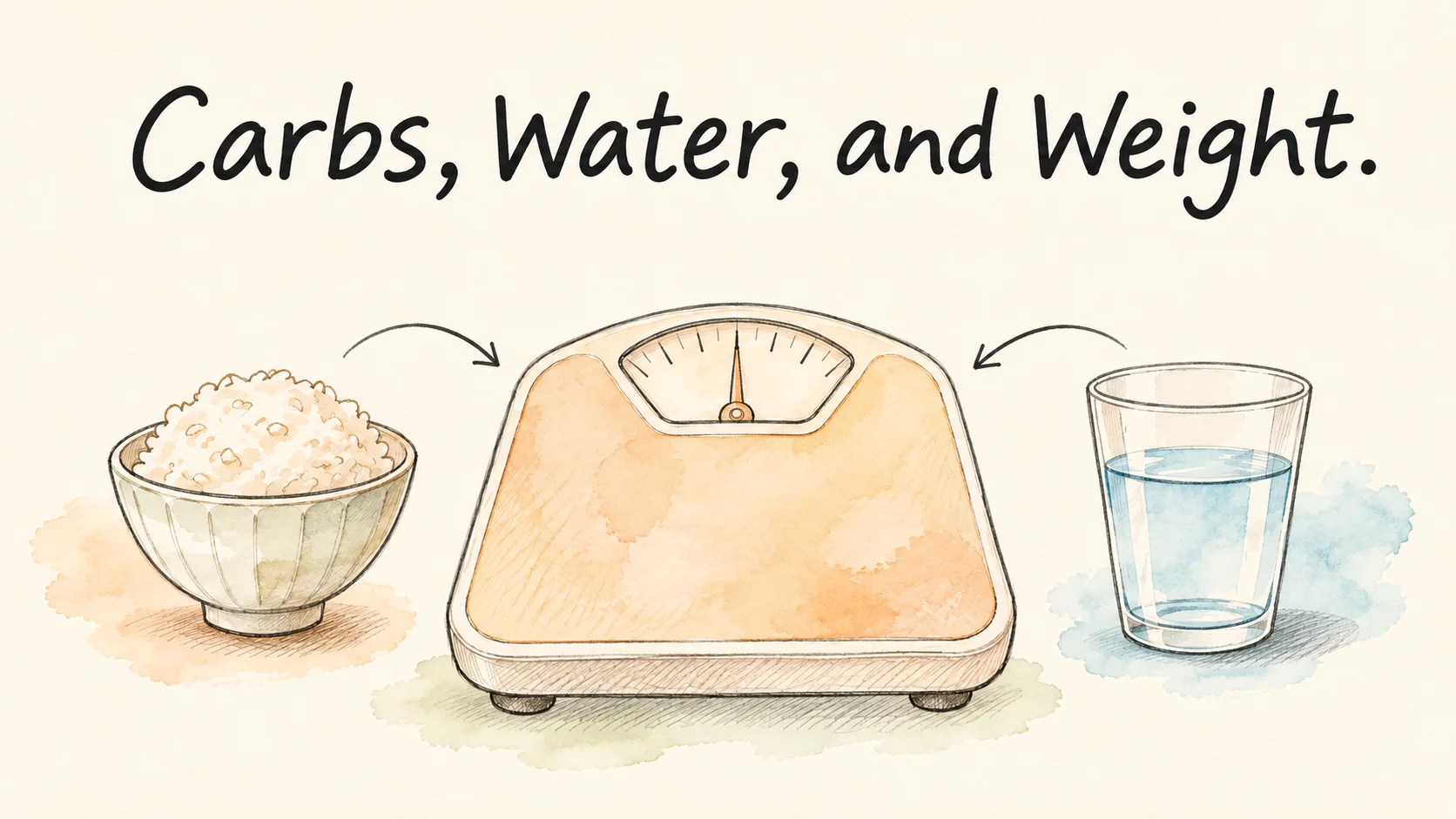
Muscle biopsies and a controlled feeding study show how glycogen and water can move the scale within days of a change in carbohydrate intake.
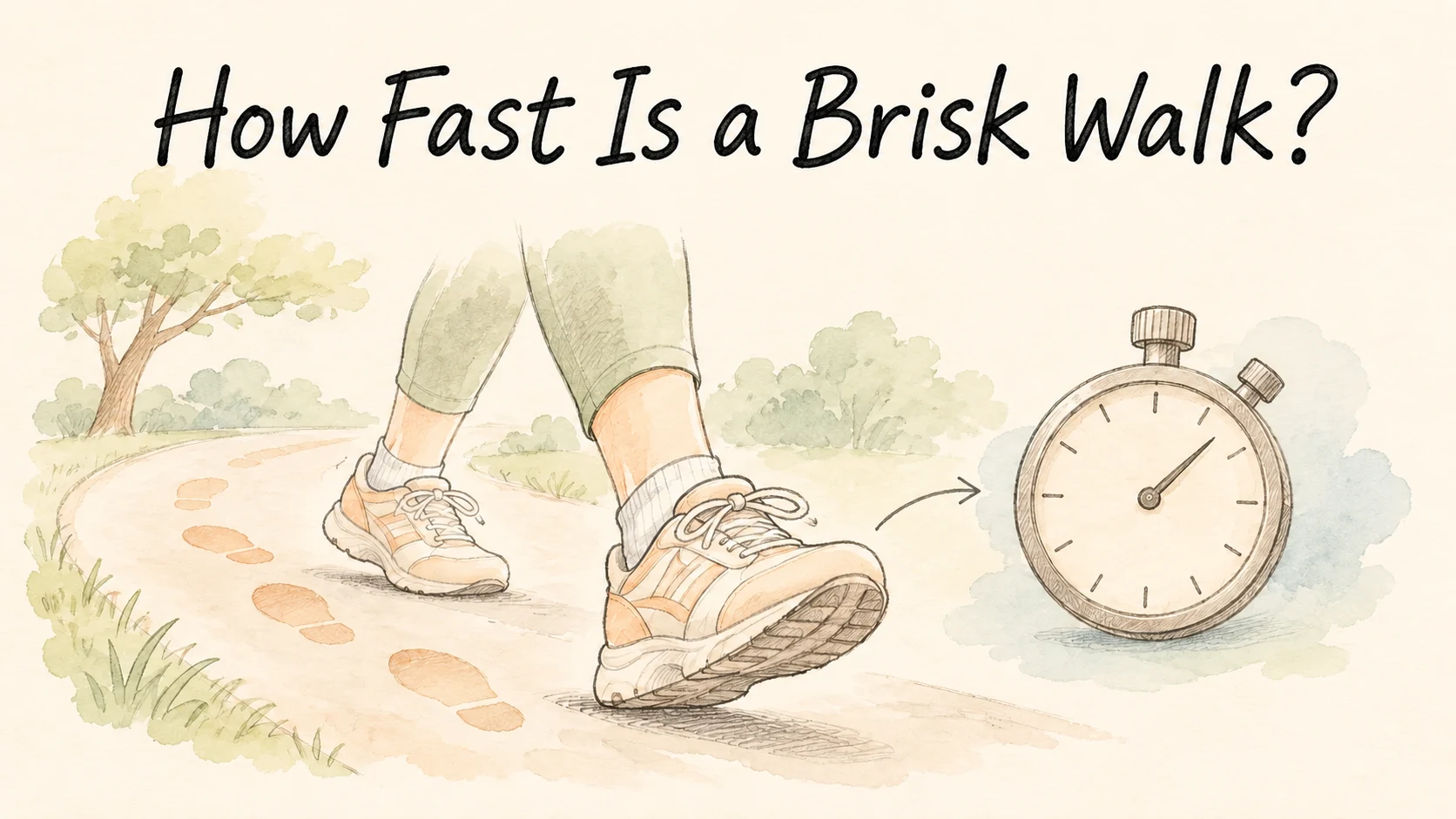
Walking cadence and effort can tell different stories. Learn where the 100-step rule comes from, then try it alongside the talk test.
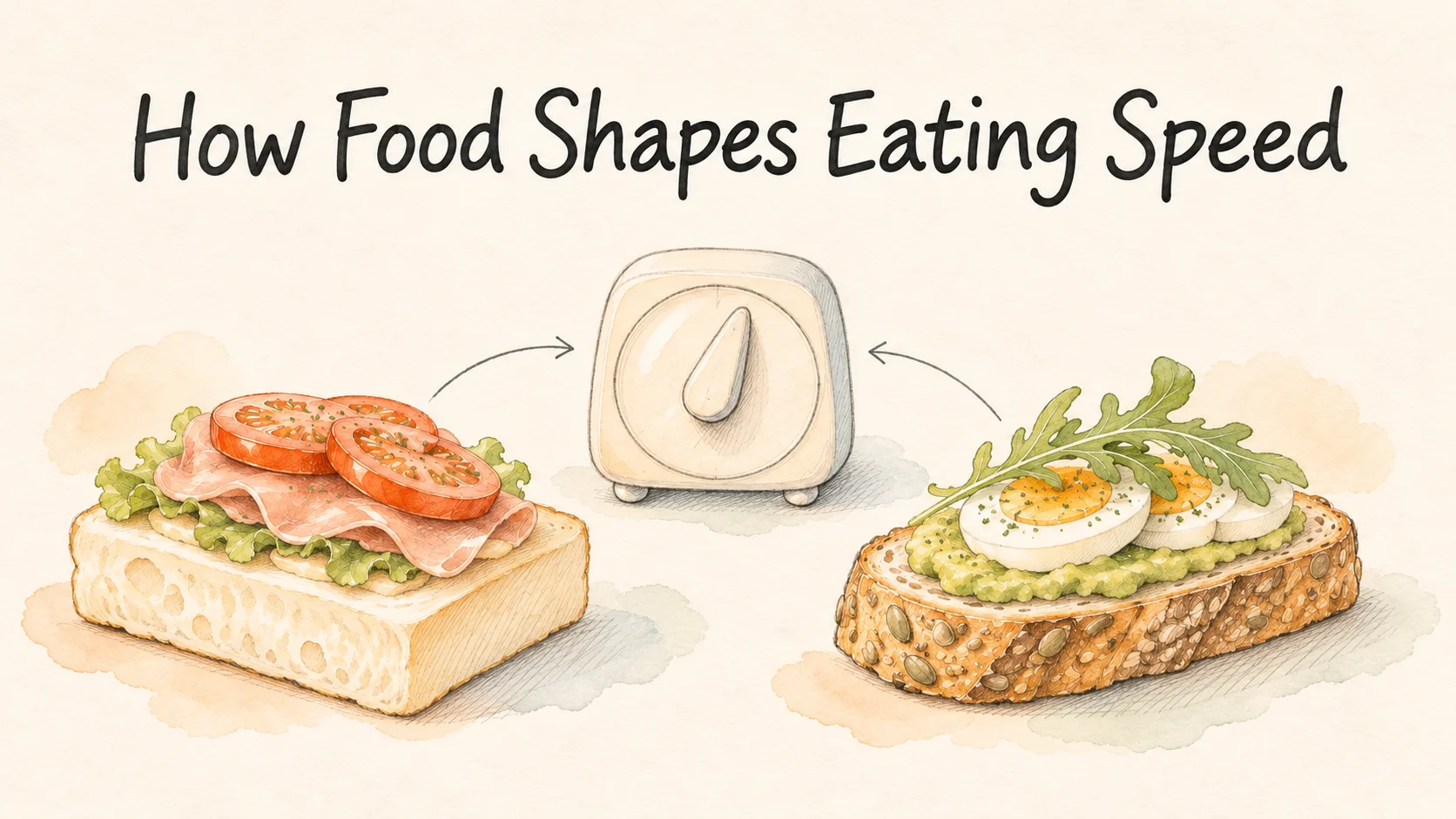
A soft sandwich disappears quickly. Researchers measured how fast people eat and how much energy each gram contains to see how both shape a meal.
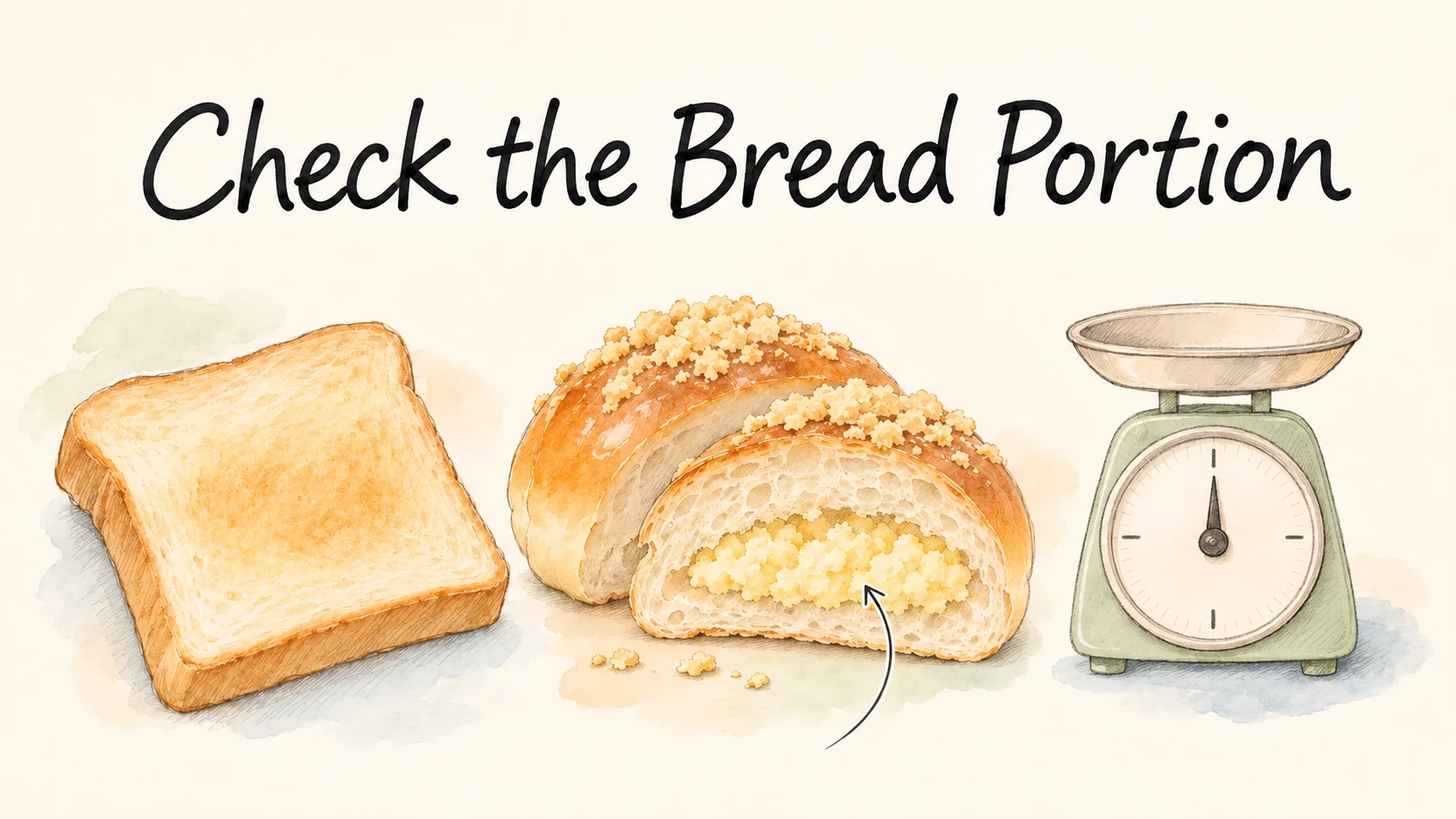
A slice of toast and a piece of Taiwanese milk-butter bun can weigh the same and have different calorie counts. See how weight, filling, and the rest of breakfast fit together.
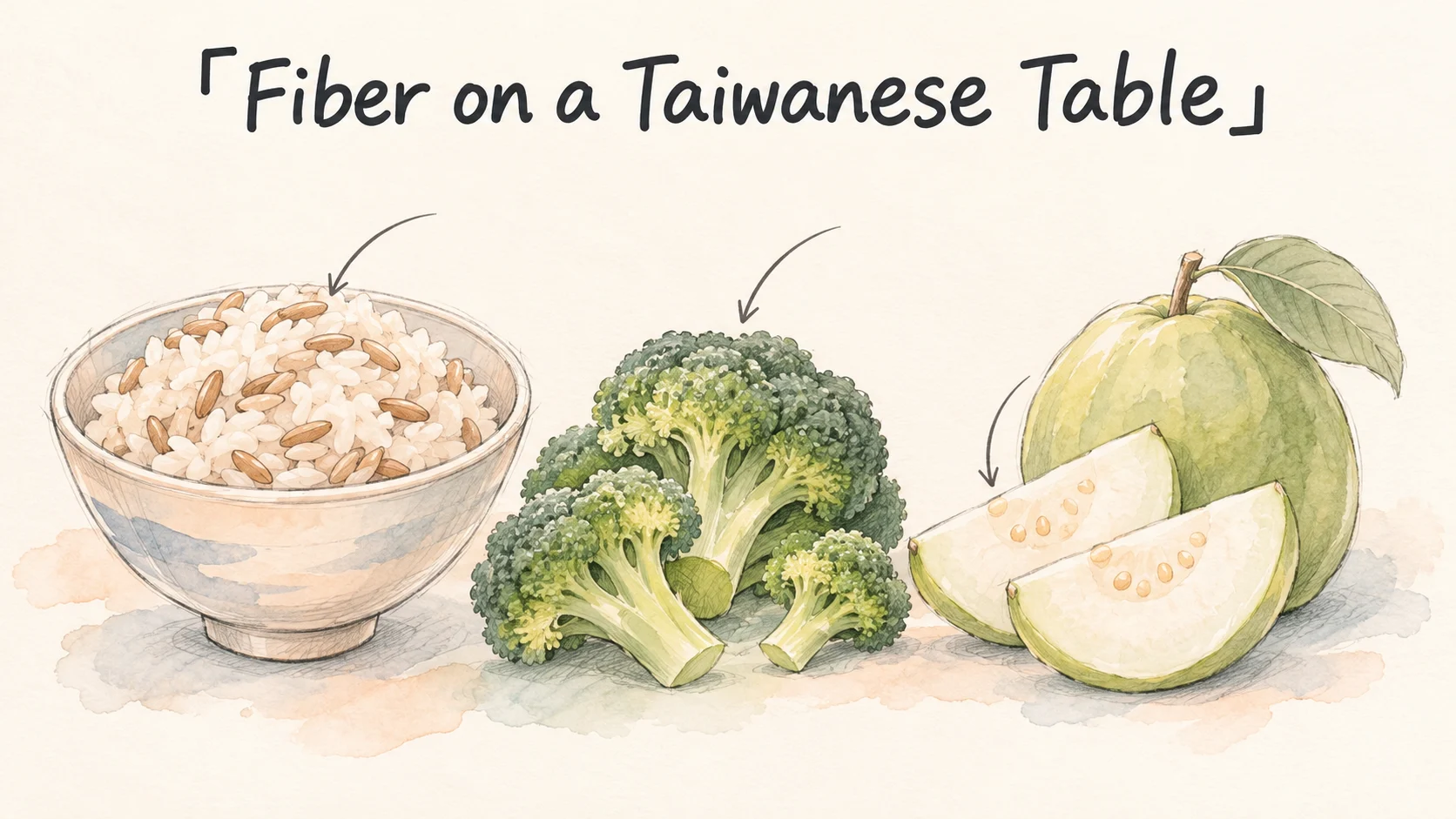
Use familiar portions of brown rice, broccoli, and guava to see how fiber adds up across a day of Taiwanese meals.