A ten-minute alarm and ten minutes of sleep are different. Nap studies also show why the first few minutes after waking deserve their own look.
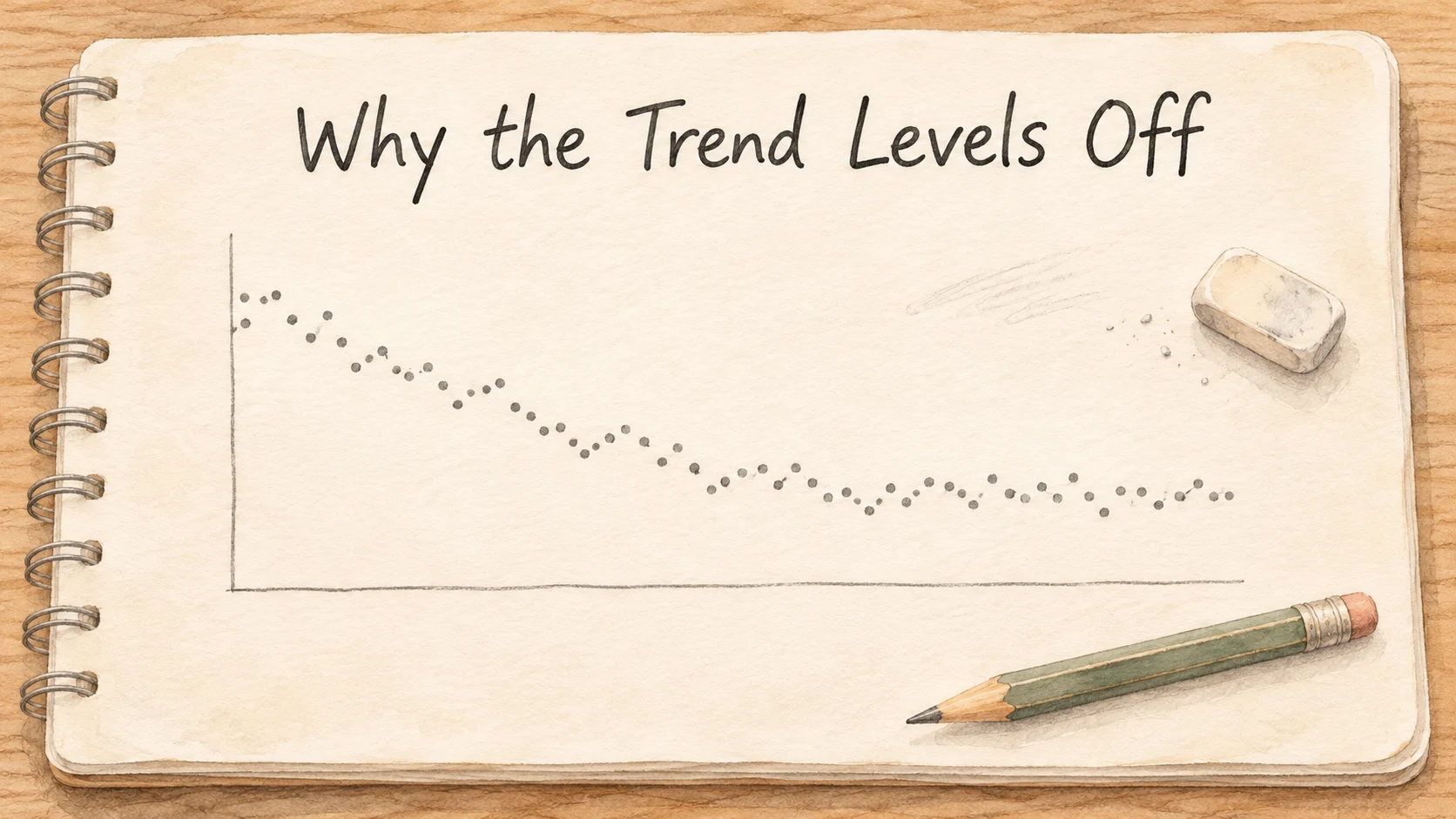
A flat stretch can reflect normal variation or a smaller average gap between energy intake and expenditure. See how these change over time.
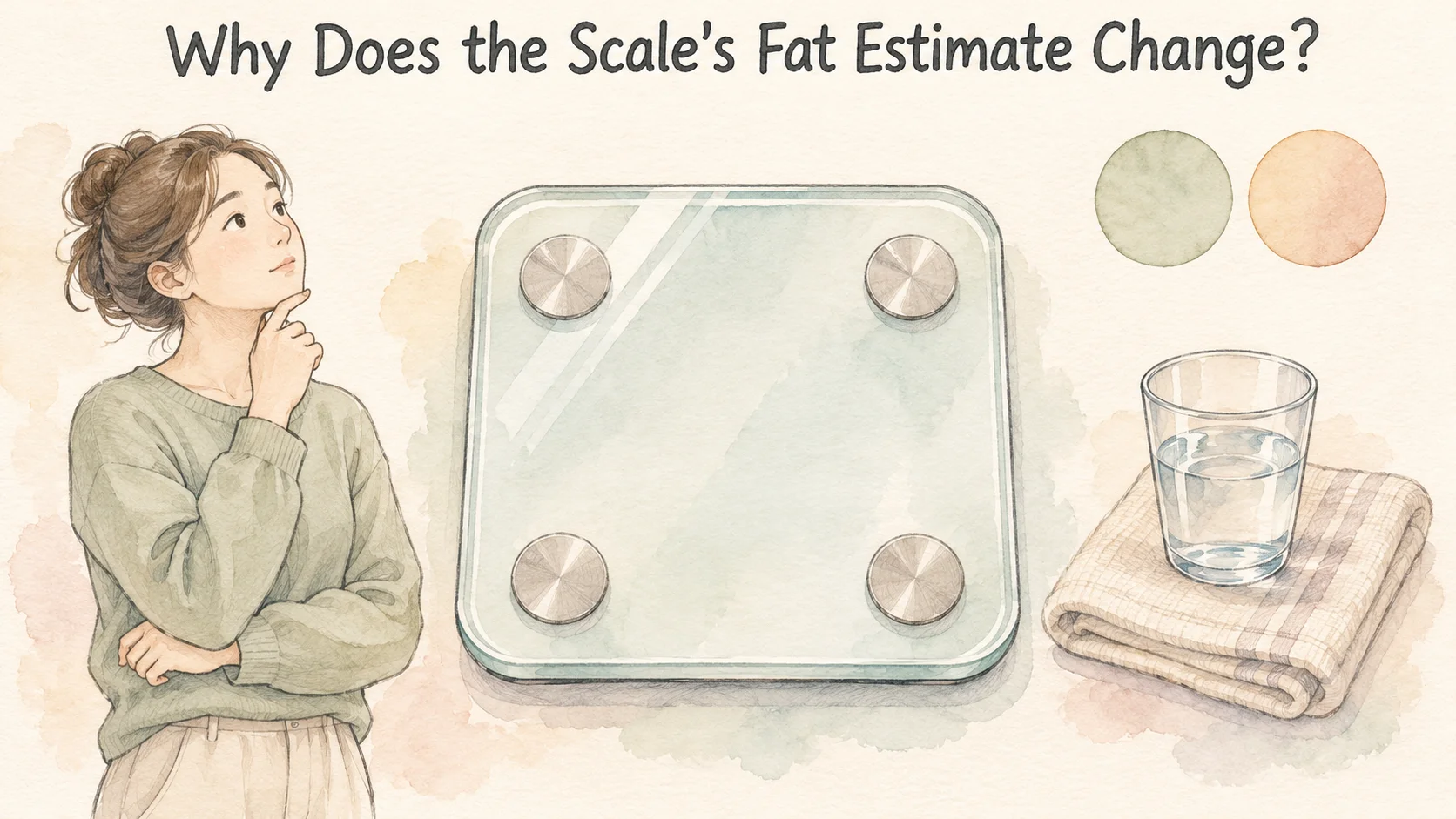
A home scale turns impedance and other inputs into a body fat estimate. See what happened after a drink of water and how weight readings compare with body composition estimates.
The order affects how you feel starting the second part of a workout. Compare a same-day experiment with longer studies to see what to put first.
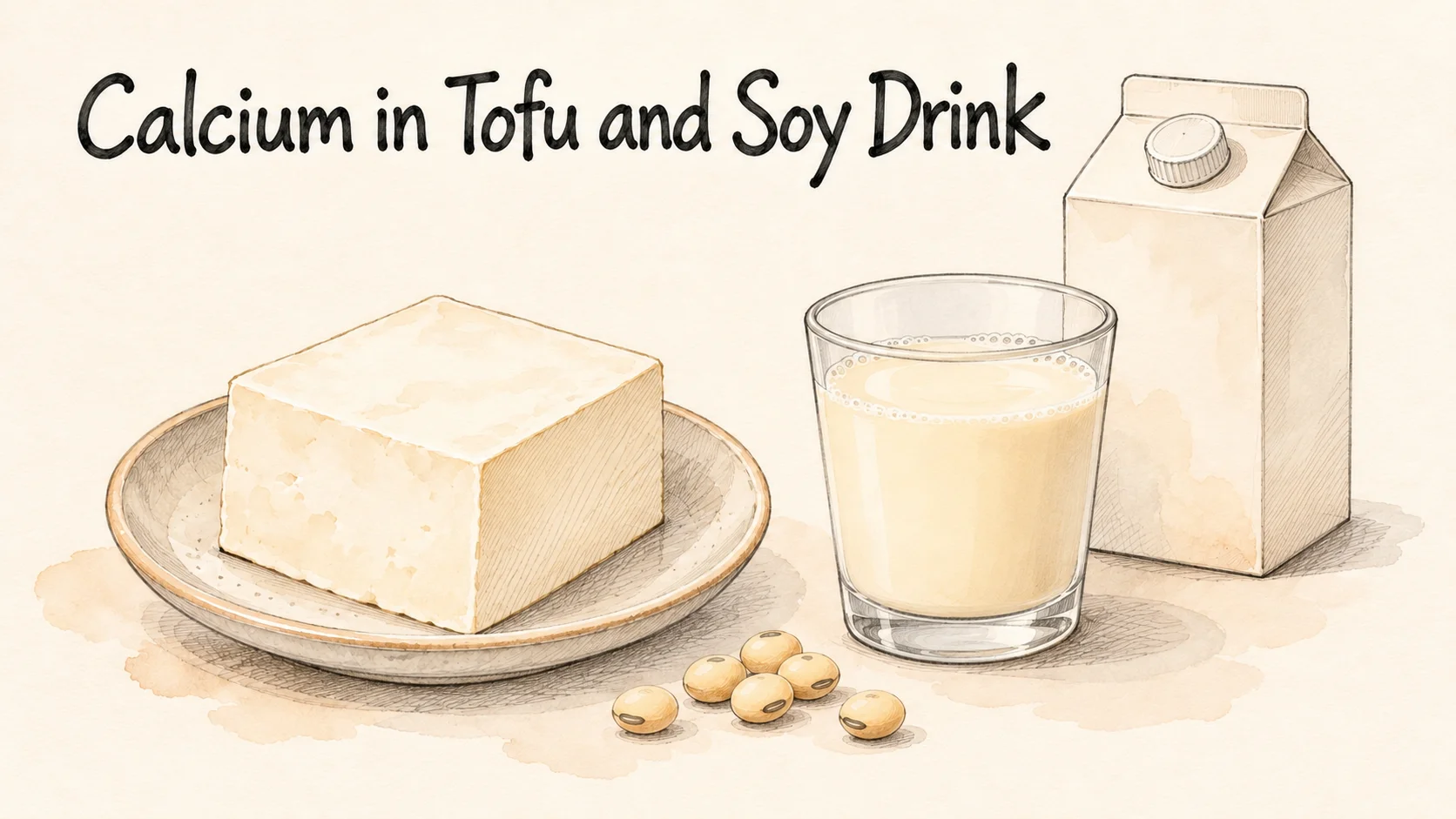
Tofu can gain calcium from the coagulant that sets it, while soy milk can be fortified. Here is how to find the amount in what you eat or drink.
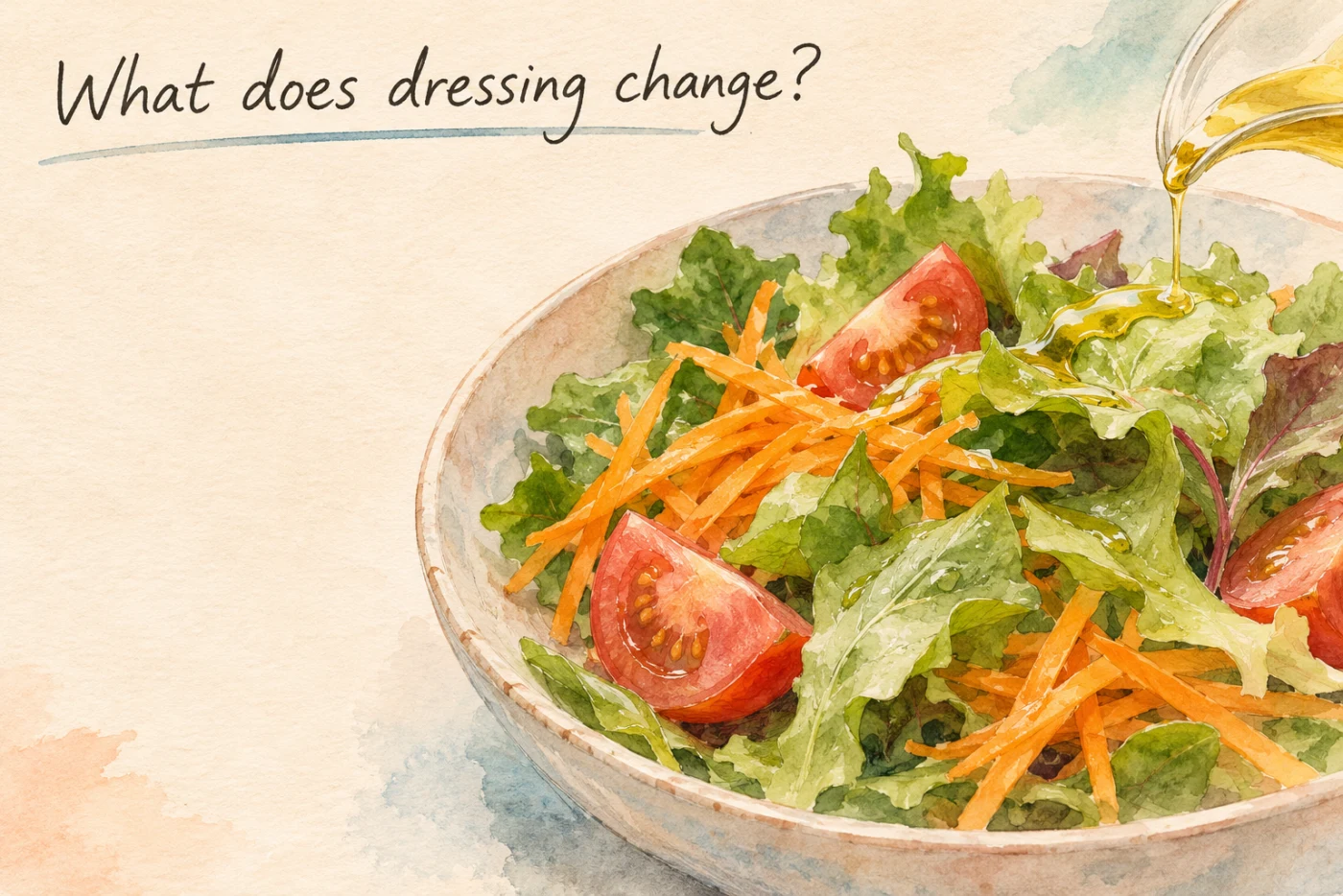
Seven people ate the same vegetables on three different days with different amounts of oil. Researchers looked for carrot and tomato pigments in the particles that carry fat.
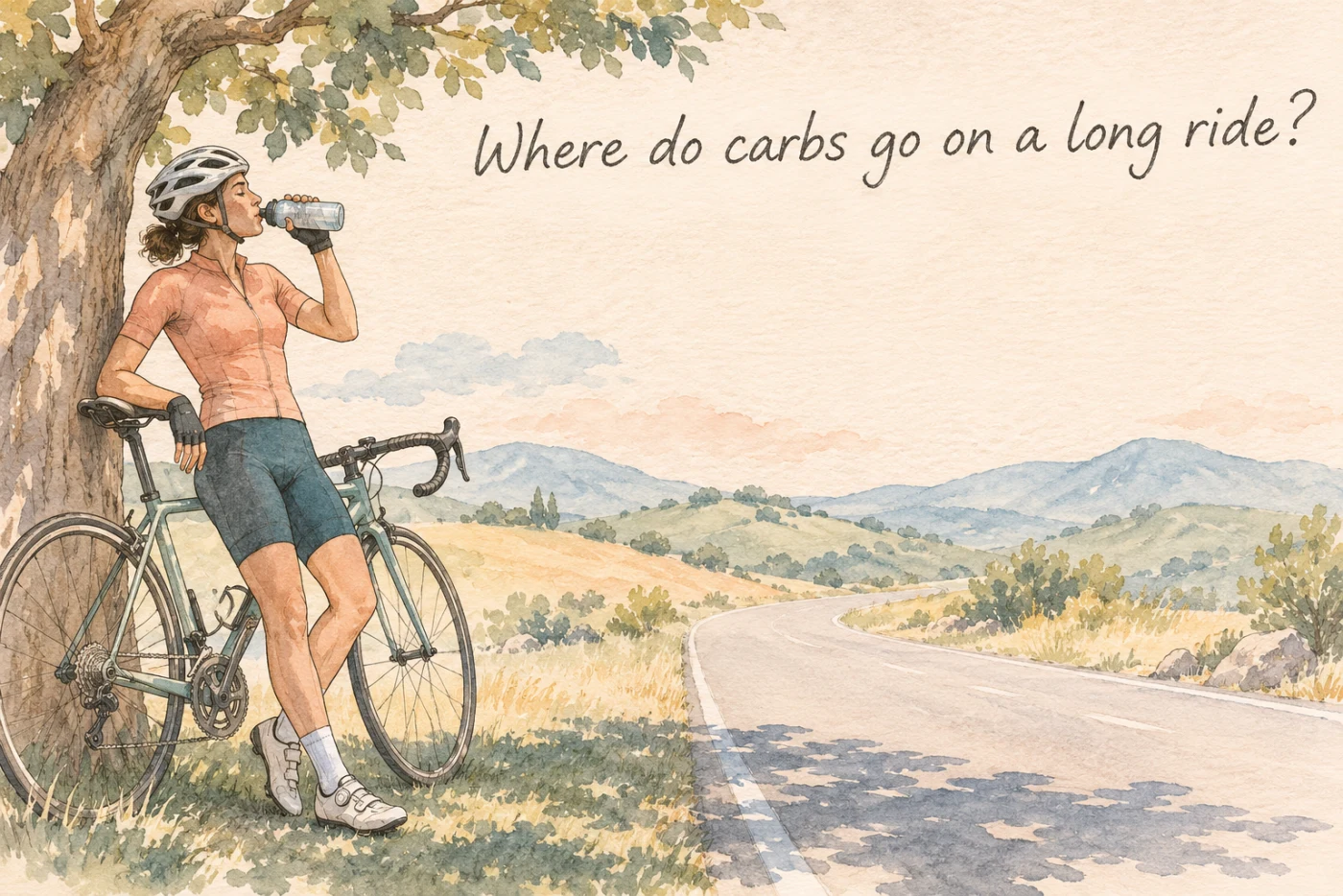
Seven trained cyclists rode an hour longer on average when they drank carbohydrates. Their stores of muscle glycogen had still fallen by the third hour.
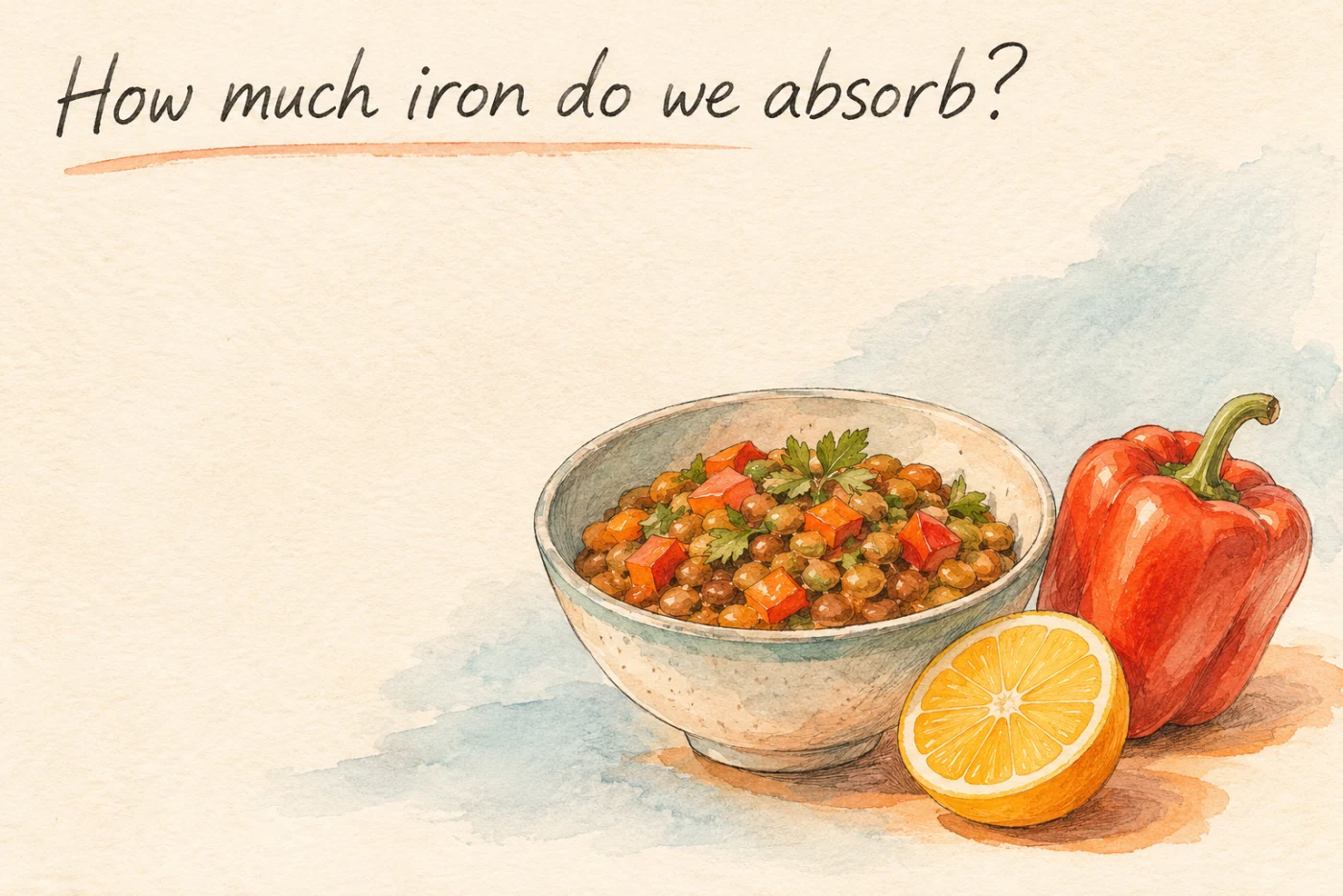
The same iron-containing porridge gave different results when people drank water, had tea with it, or waited an hour. The form of iron matters, and so does the rest of the meal.

Weighed records and next-day recall can miss items, quantities, and ingredients in different ways. Here's what researchers found and what a second look can recover.
Two nights can both last eight hours and still sit at different times. See how sleep midpoint is calculated and what social jet lag measures.