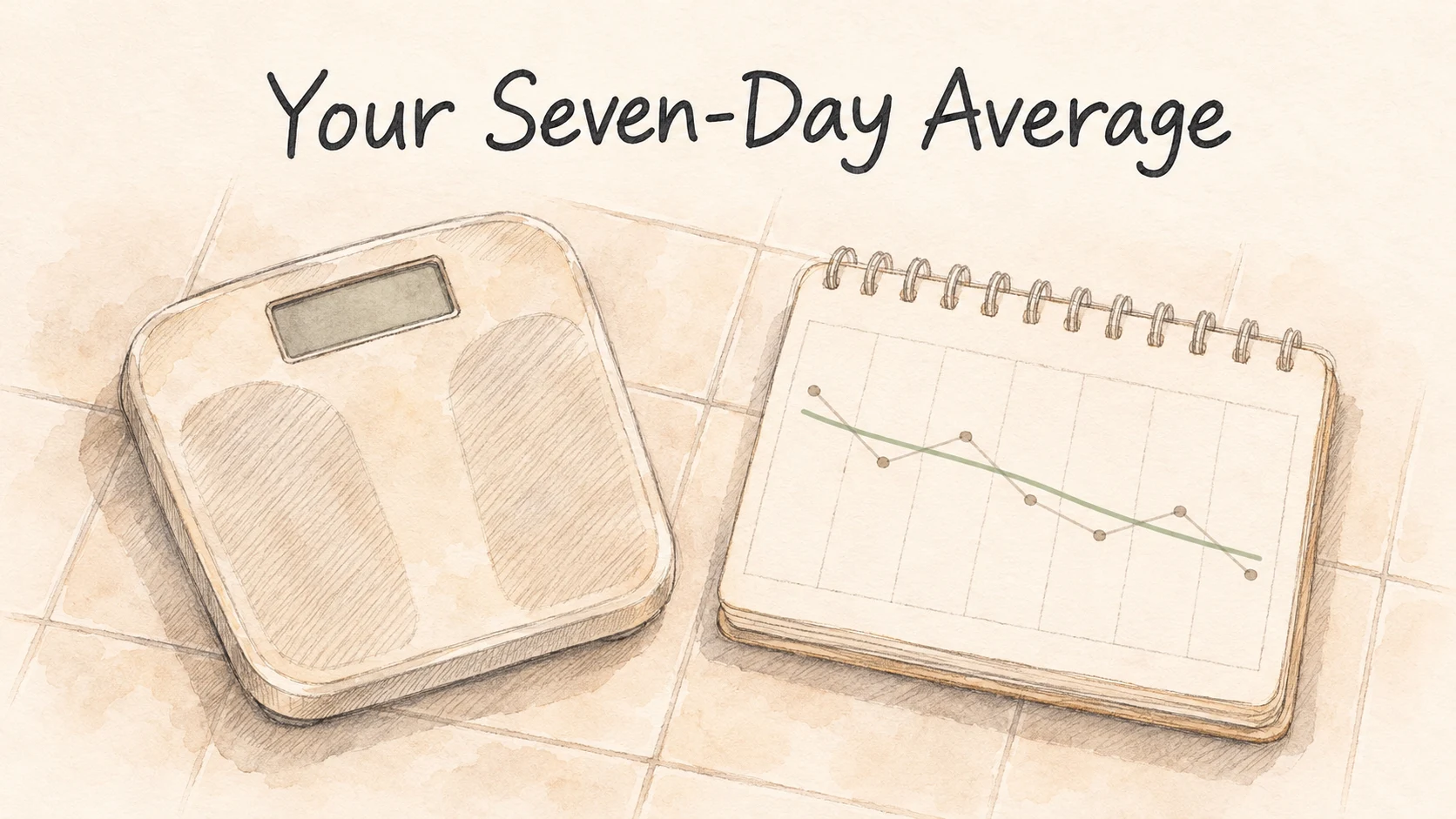
Two sample weeks show how to compare daily readings, weekly averages, and a rolling seven-day average. Includes tips for consistent measurements and missing days.
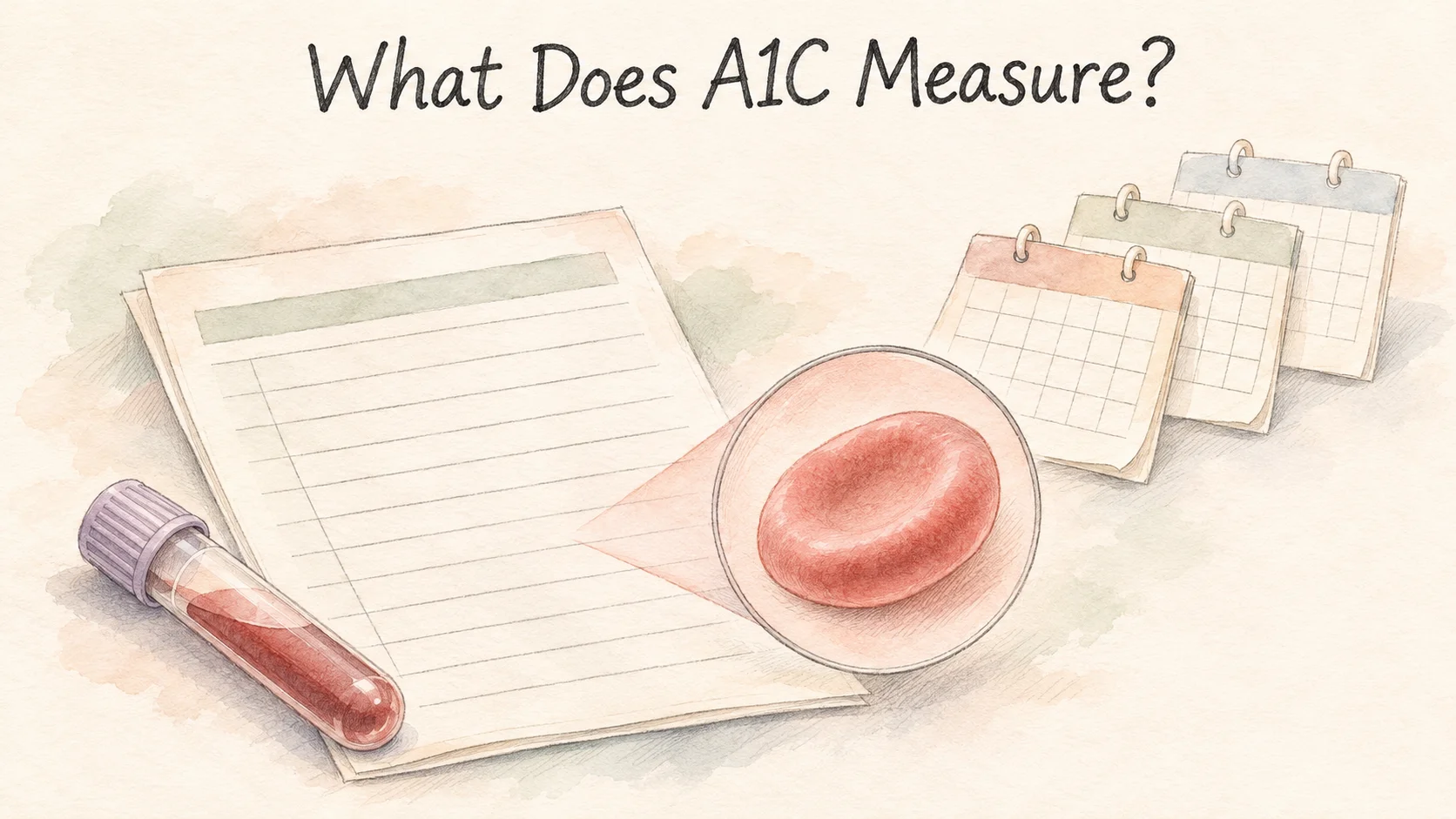
Some glucose binds to hemoglobin in red blood cells. See what A1C measures, why recent weeks count more, and how it relates to estimated average glucose.
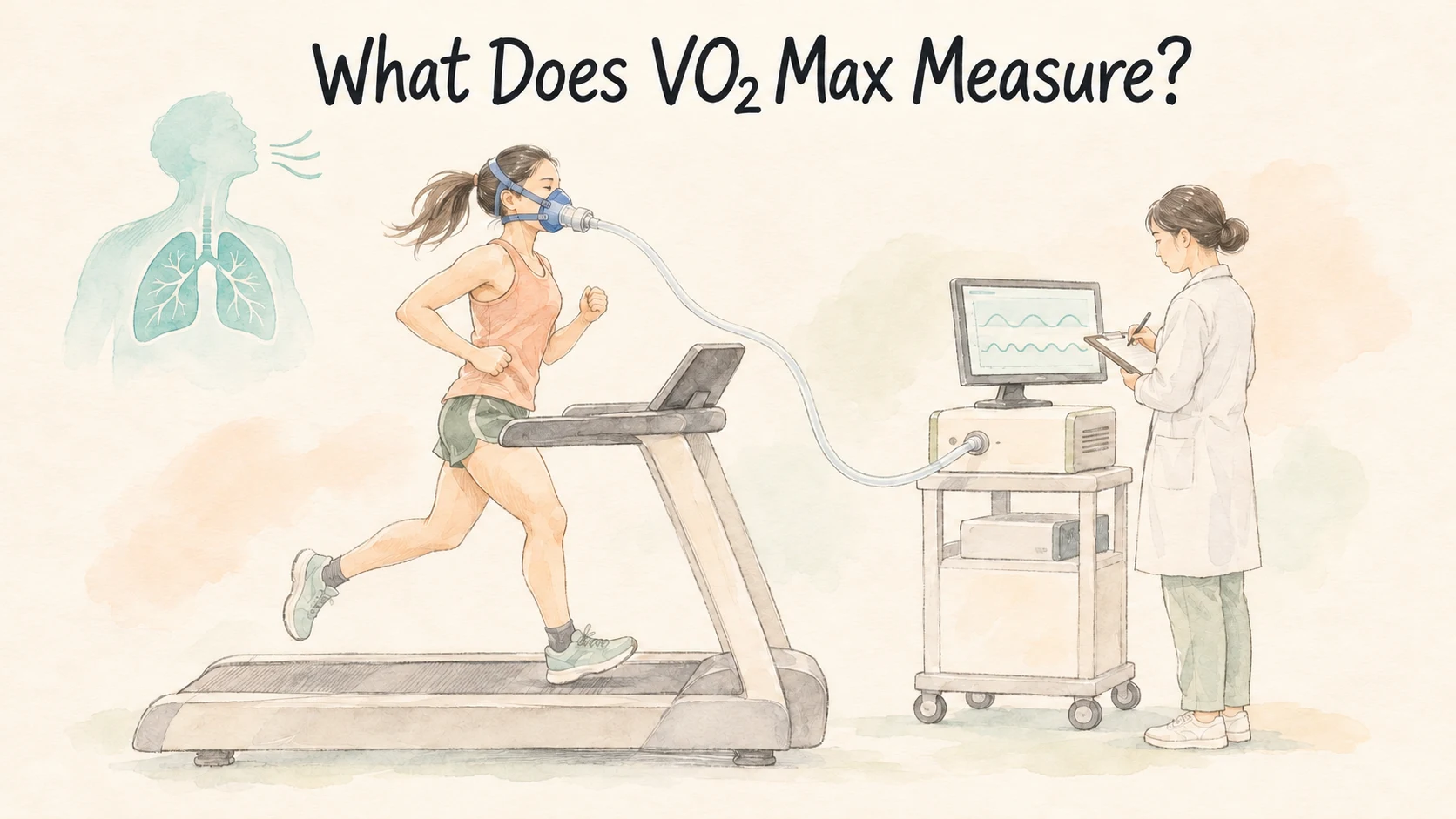
What a breathing test measures, why VO₂ max is often divided by body weight, and where a watch's estimate comes from.

The net contents include the liquid. The drained weight tells you roughly how much solid food you can serve. Here's how to read both numbers.

People used more fat for fuel on a fasted exercise day in one lab study. A four-week trial measured something else entirely. Here’s how to read both results.

Two breakfasts with the same calories and different amounts of protein changed reported fullness and evening snacking. See what those measurements can tell us.

A two-week sleep intervention changed average energy intake by about 270 calories a day, compared with usual sleep. See how the researchers got that number.
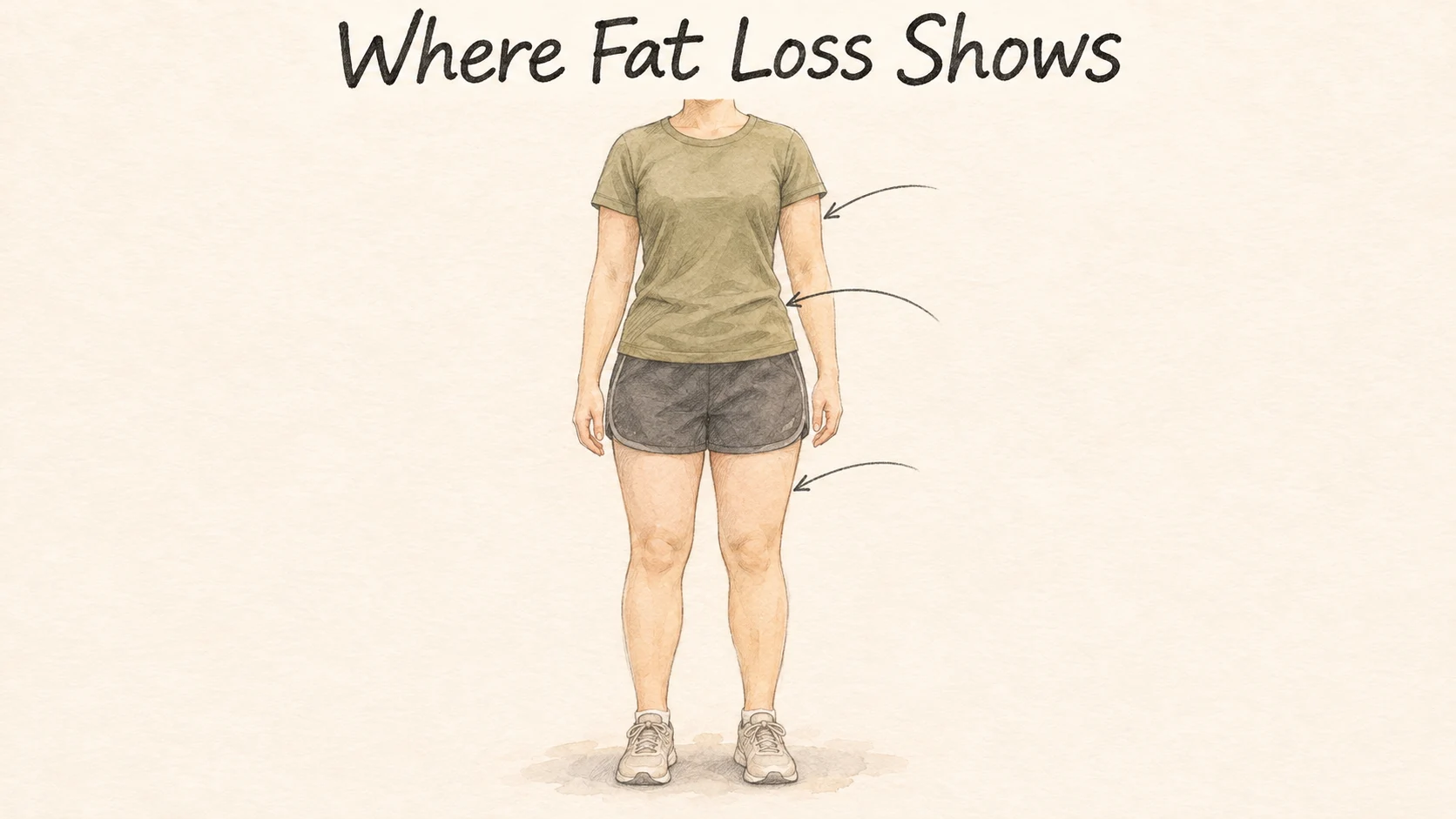
Crunches, waist measurements, and imaging follow different changes. See what two kinds of abdominal fat and two exercise trials can tell you.
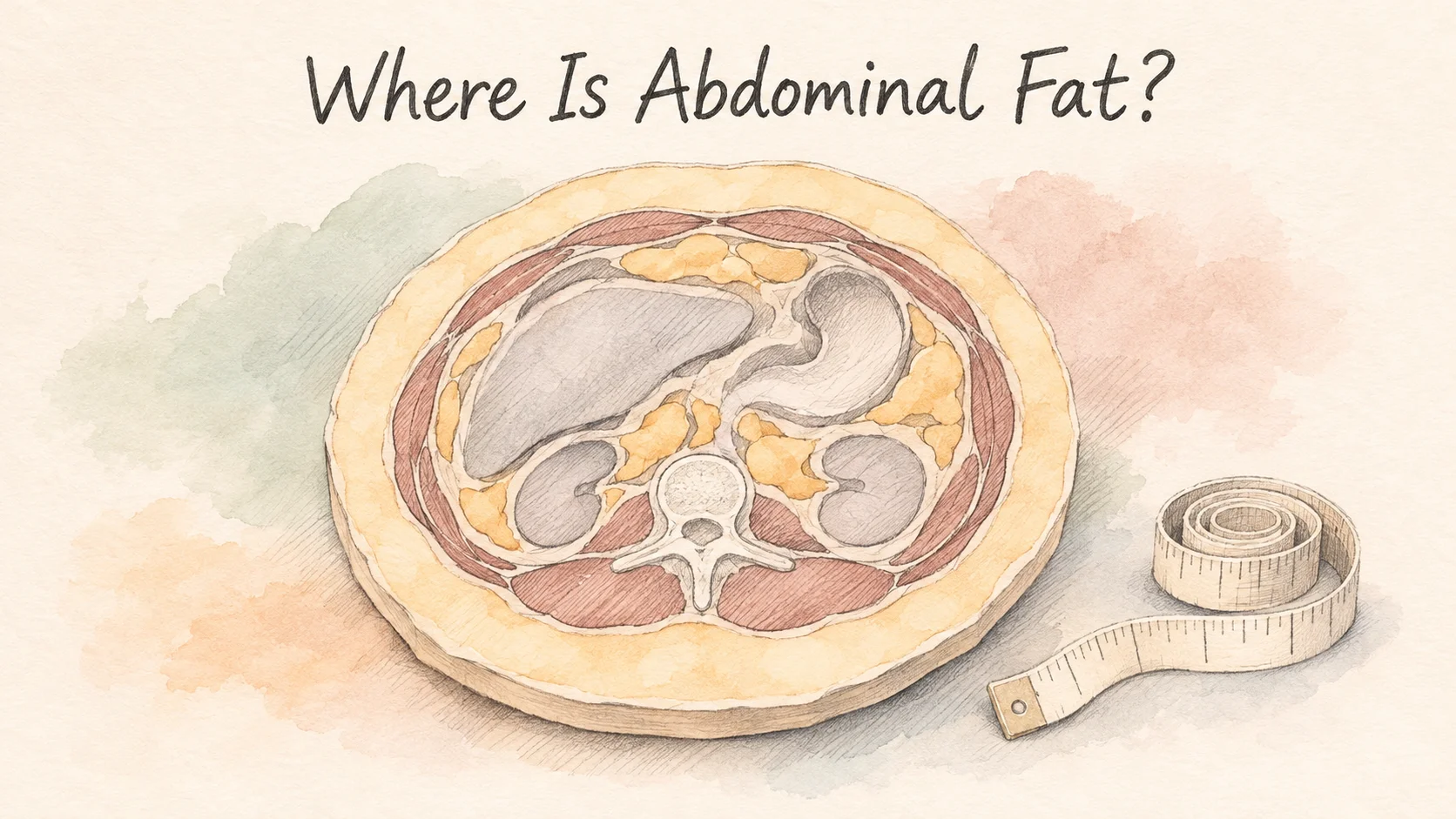
The abdominal wall separates two fat depots. See how MRI measures them and what a tape measure, a pinch, and a single image can tell you.
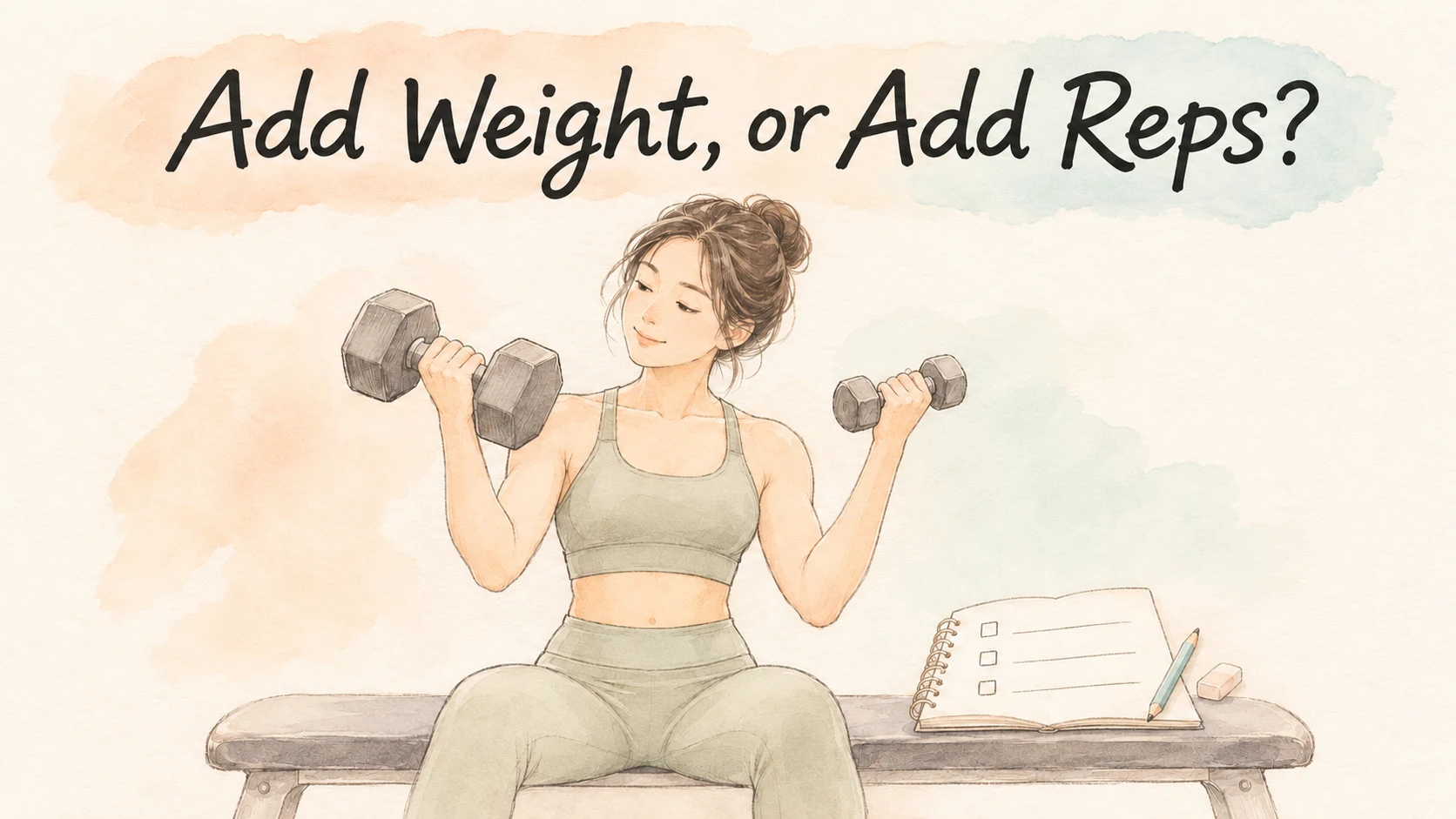
When your usual dumbbell feels light but the next one feels heavy, use a rep range to decide when to move up.