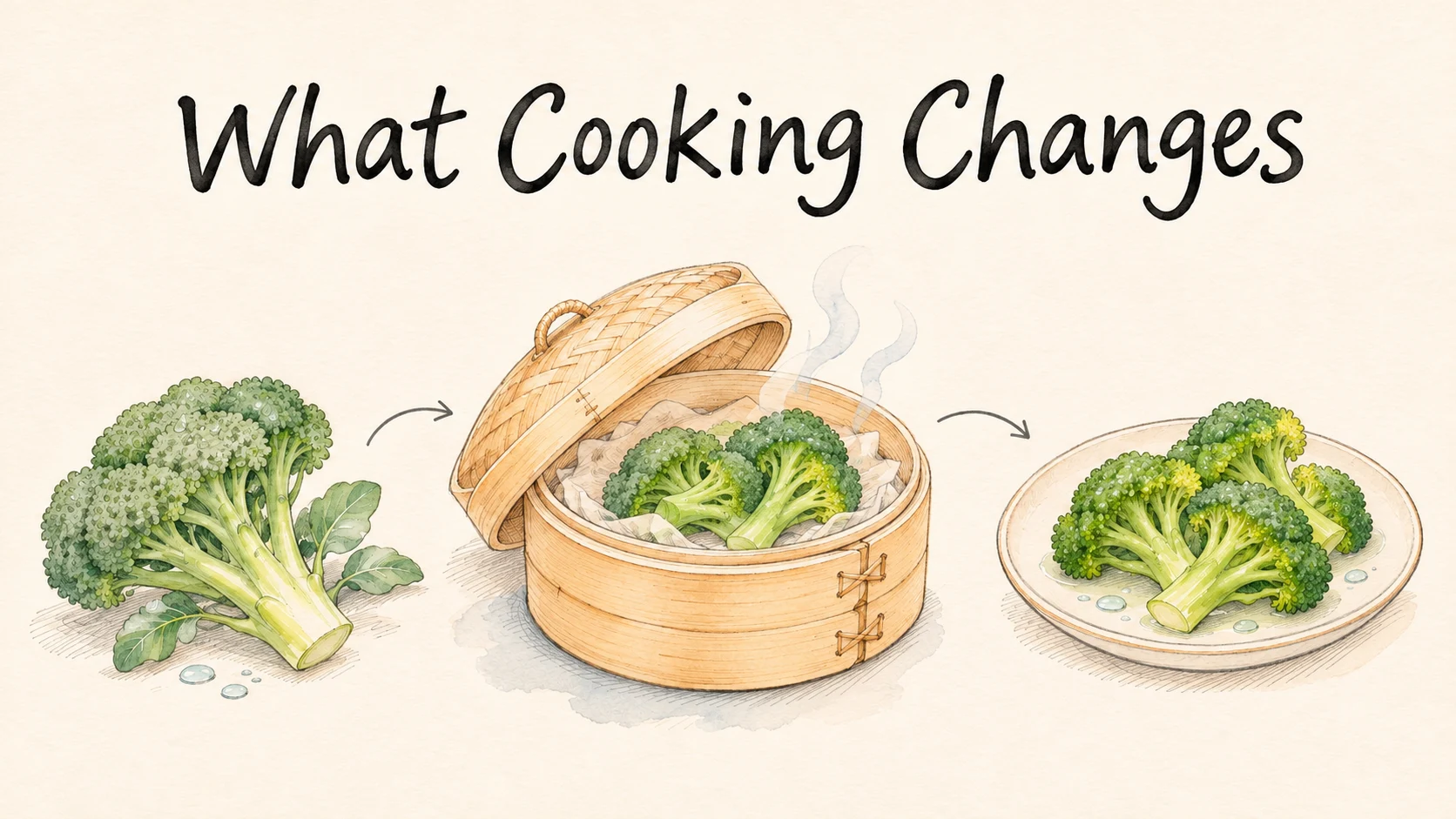
Use a carrot and broccoli experiment to tell apart vitamin concentration, the amount that stays in the whole batch, and the amount on your own plate.
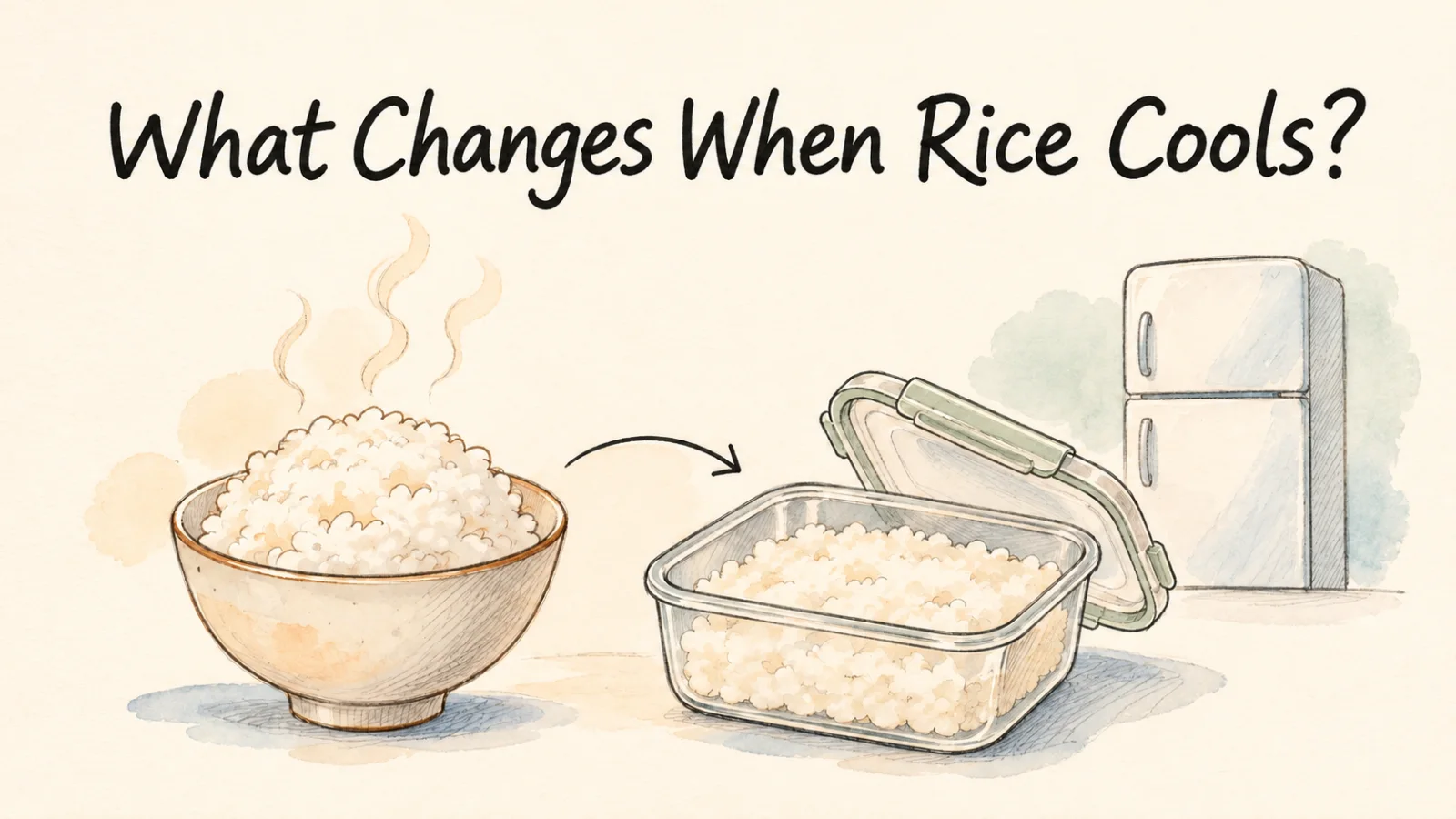
Cooling can change the starch in rice. See how much changed in one experiment, what two breakfast trials measured, and how to store leftovers.
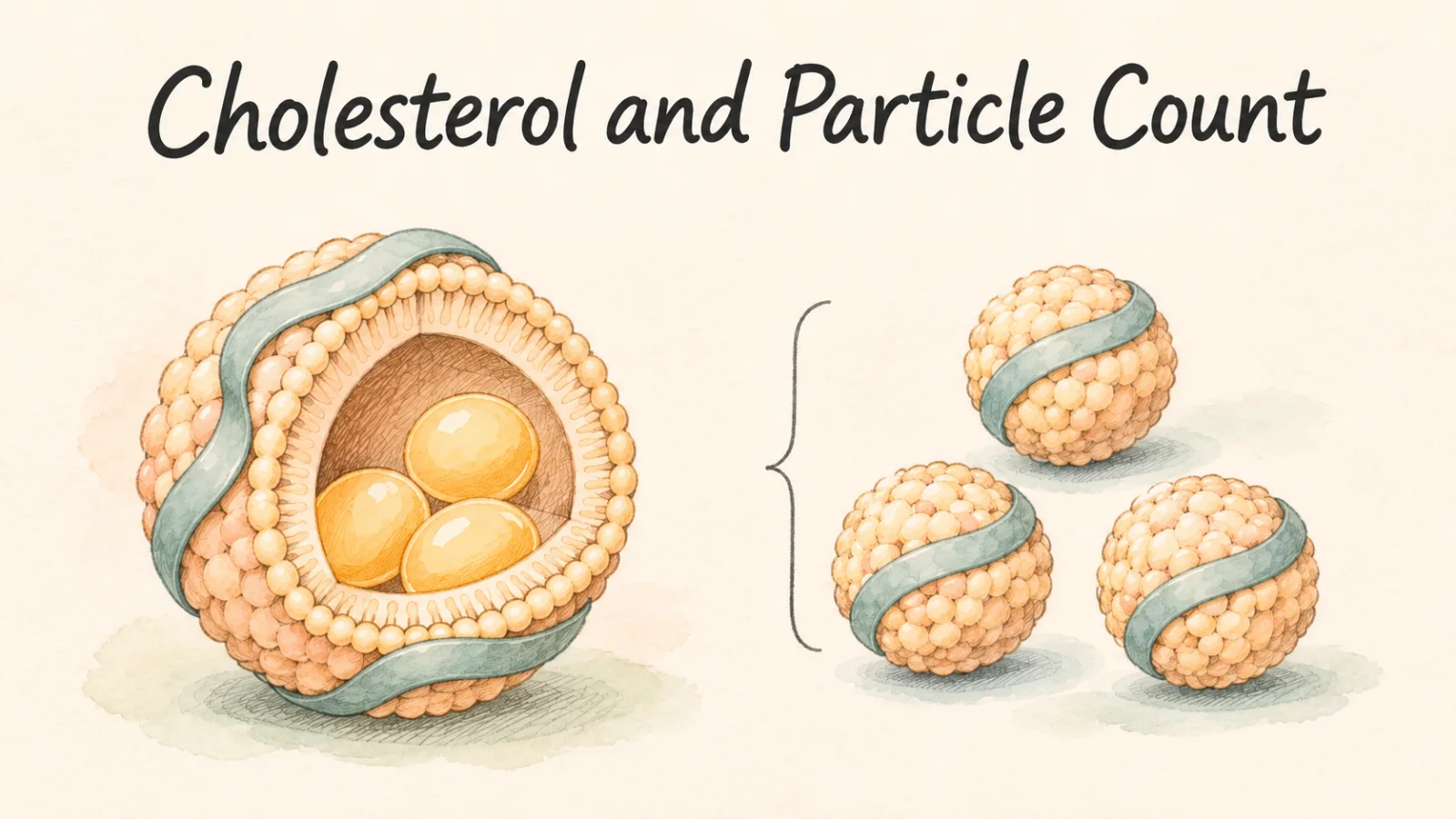
The same amount of cholesterol can travel in different numbers of particles. A study of nearly 300,000 adults shows what the two lab results can tell you.
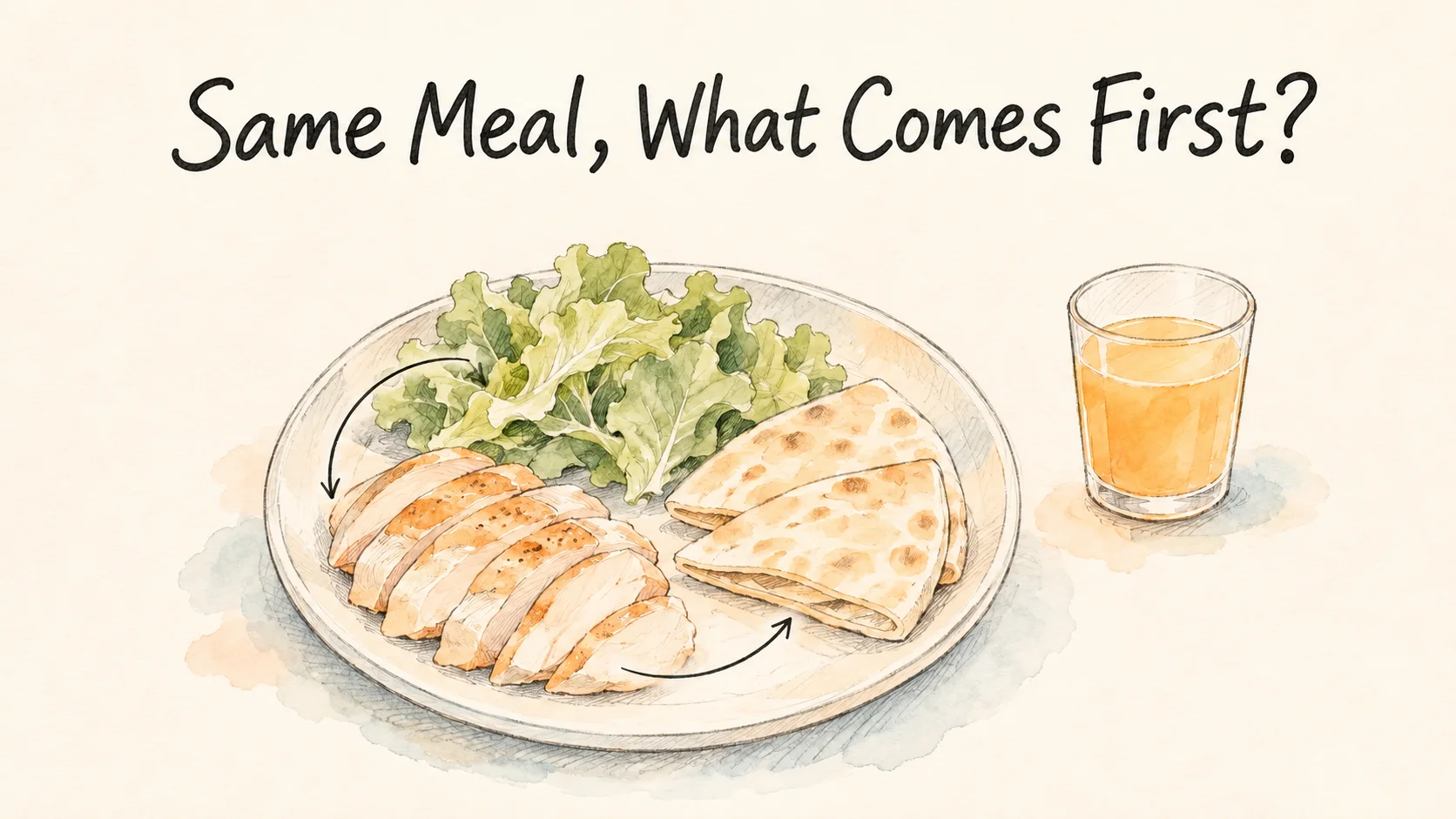
Keep the portions the same and change which food comes first. Two crossover trials compare the post-meal peak, area under the curve, and time in range.
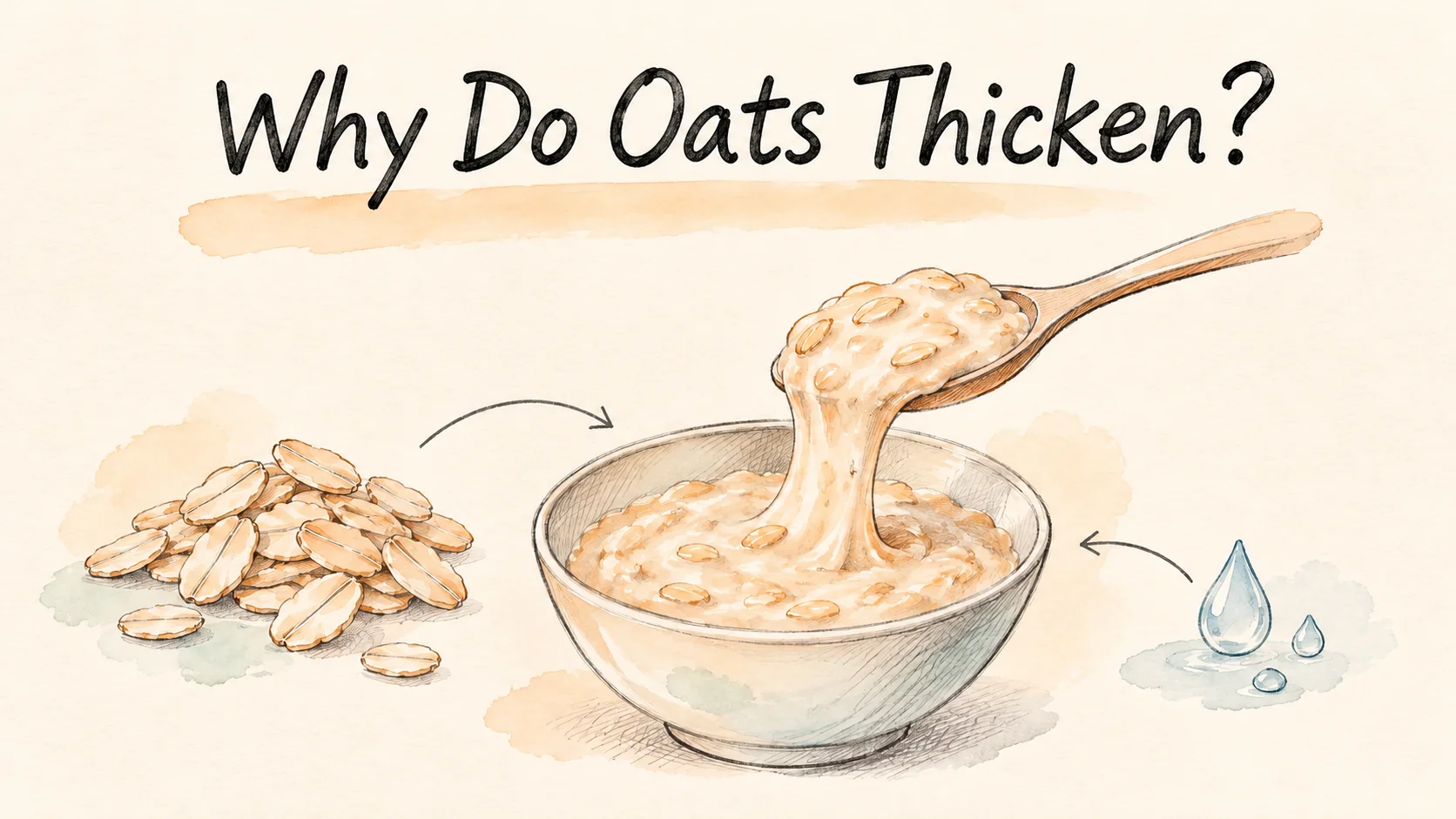
Shortening the chains in four grams of oat beta-glucan changes how the same breakfast flows. A breath test and a pizza lunch show what that difference can change.
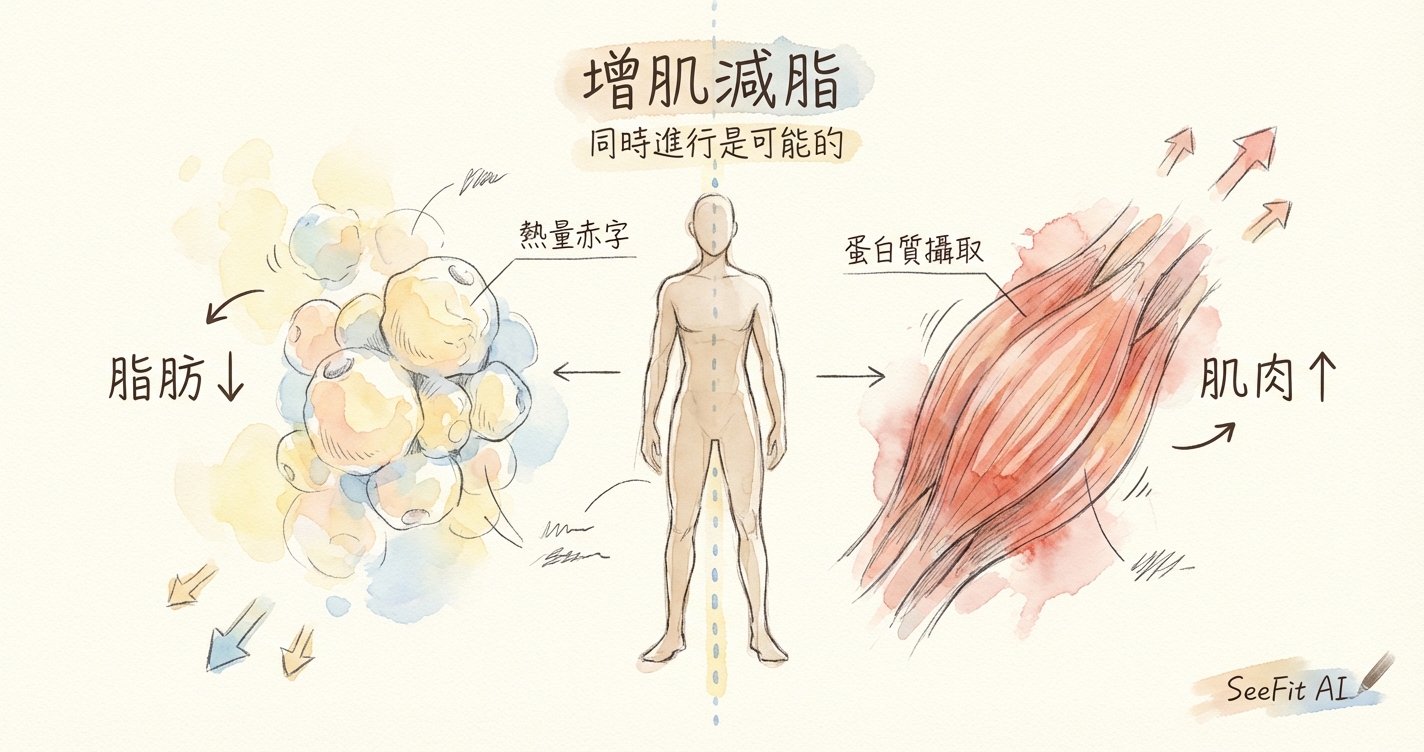
The latest systematic reviews and RCTs confirm that body recomposition isn't a myth — but you need the right strategy to make it work.
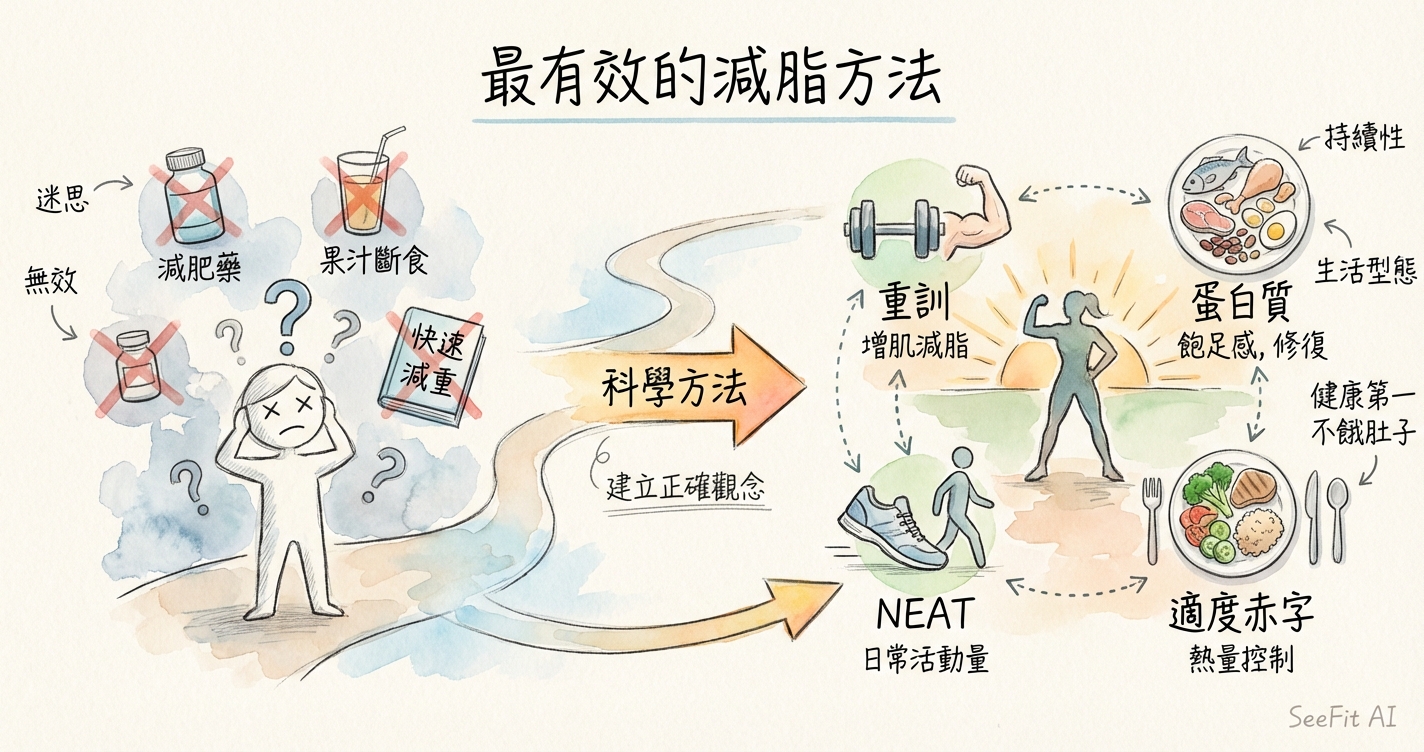
Science-backed fat loss methods that actually work, why they work, and a realistic timeline for when you'll start seeing changes.
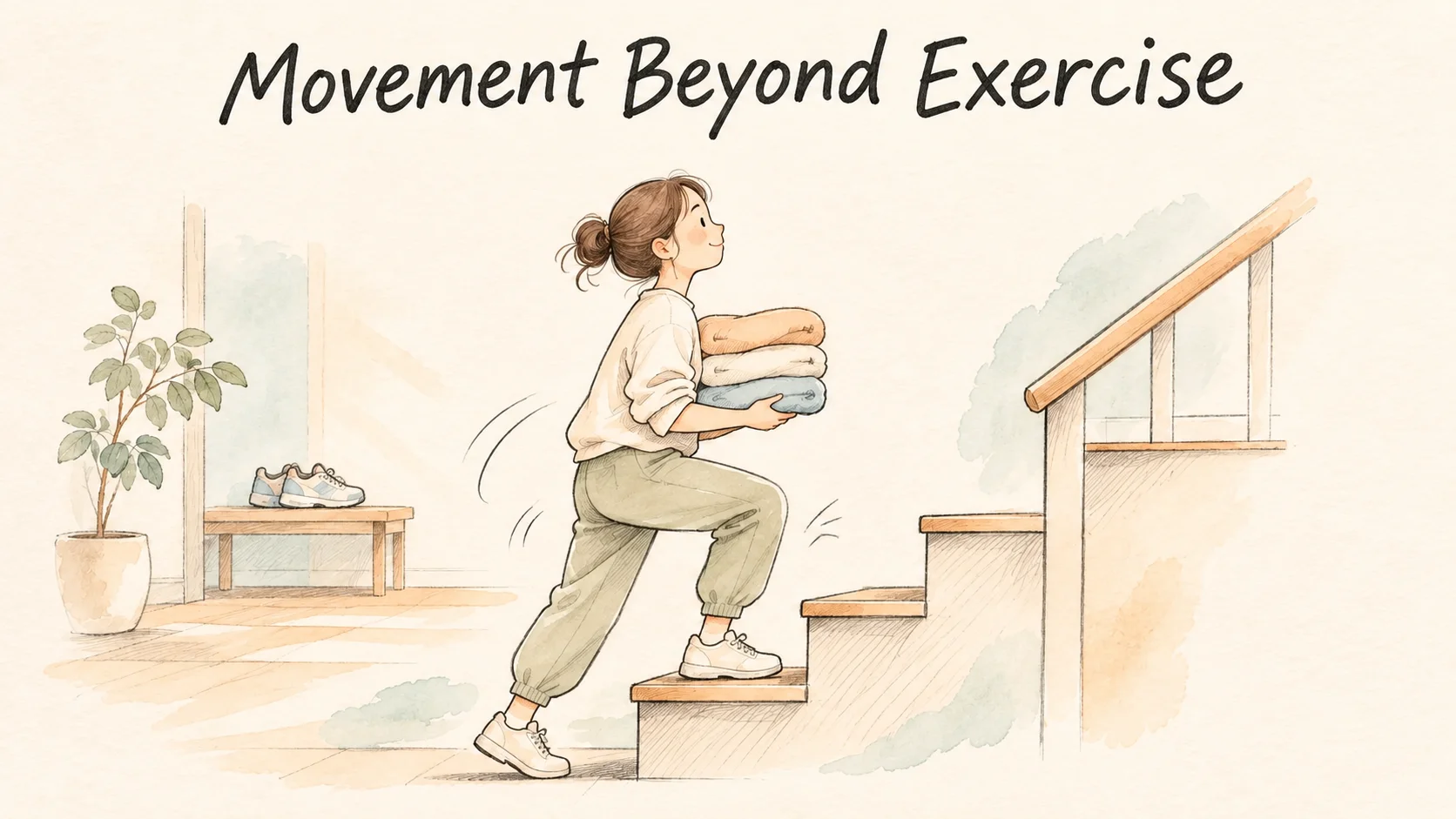
Walking to the bus, cooking dinner, and sitting at a desk all use energy. Three studies show how scientists measure movement outside of workouts.
A loading phase can raise muscle creatine sooner. What that early change means for strength and lean mass depends on what a study measures.
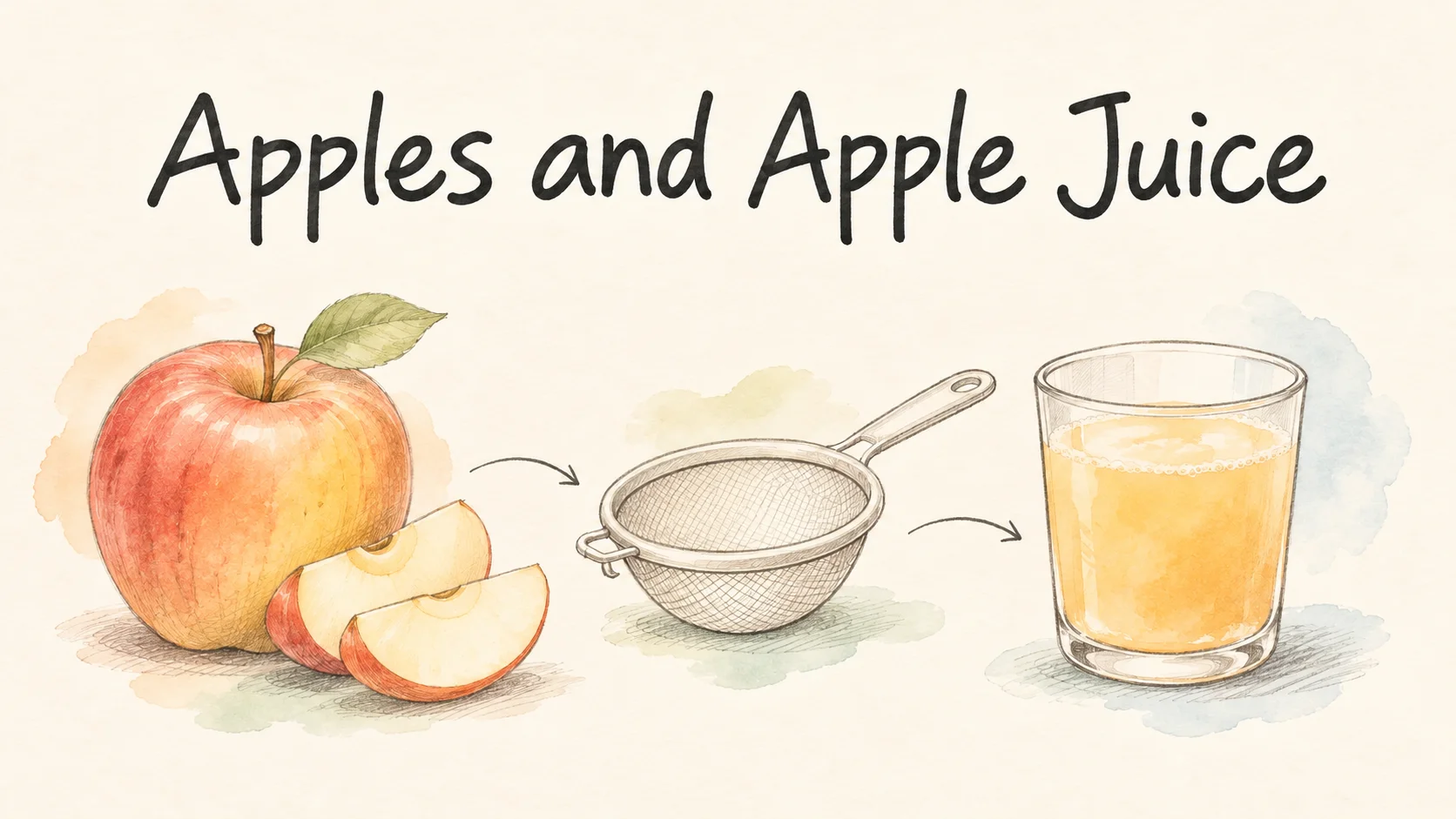
An apple becomes a different food when you slice, purée, or juice it. Researchers weighed the next meal and watched how long each form stayed in the stomach.