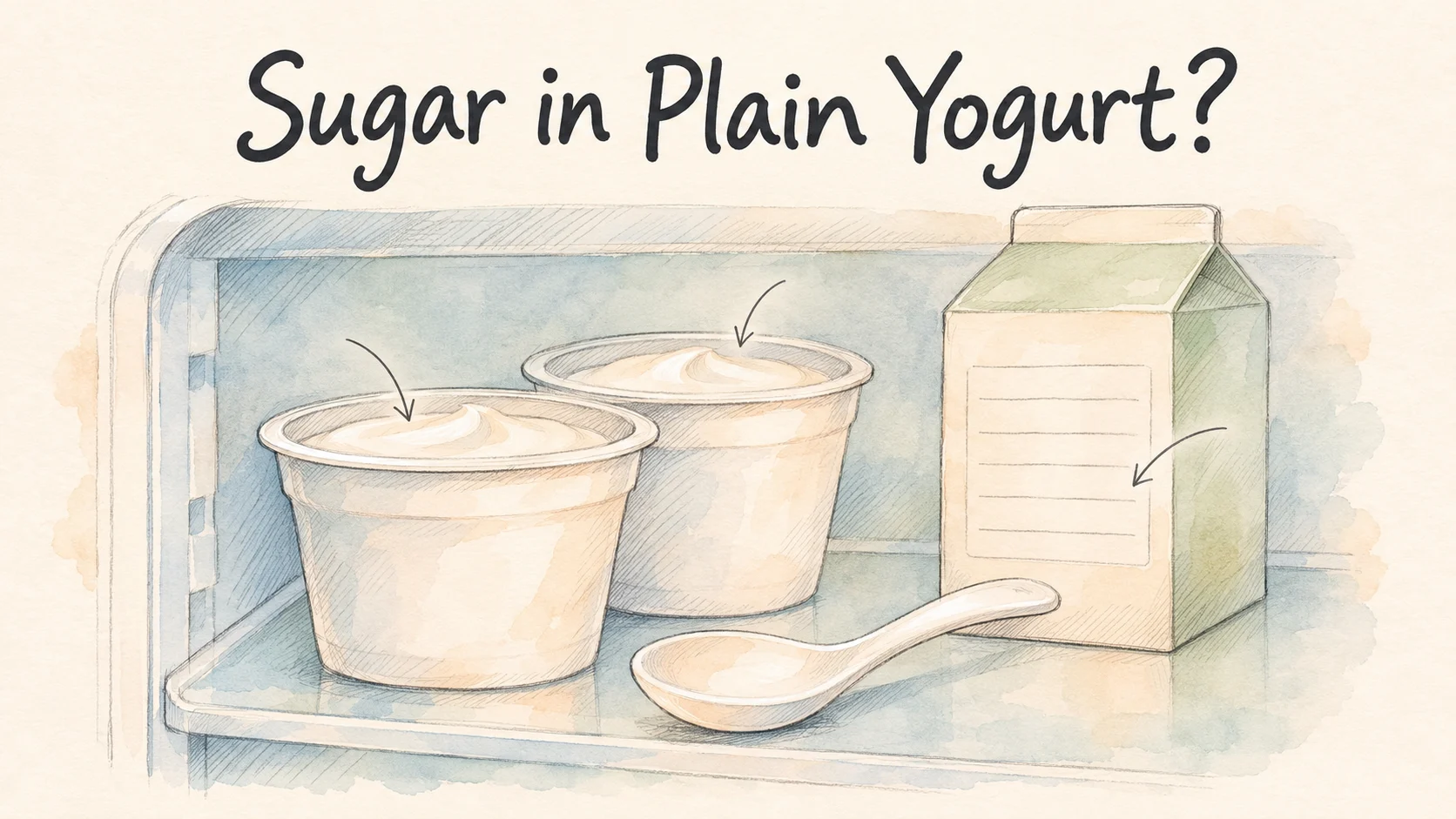
Milk naturally contains lactose. Read a yogurt's ingredient list, compare two tubs by weight, and calculate the amount of sugar in the portion you actually eat.
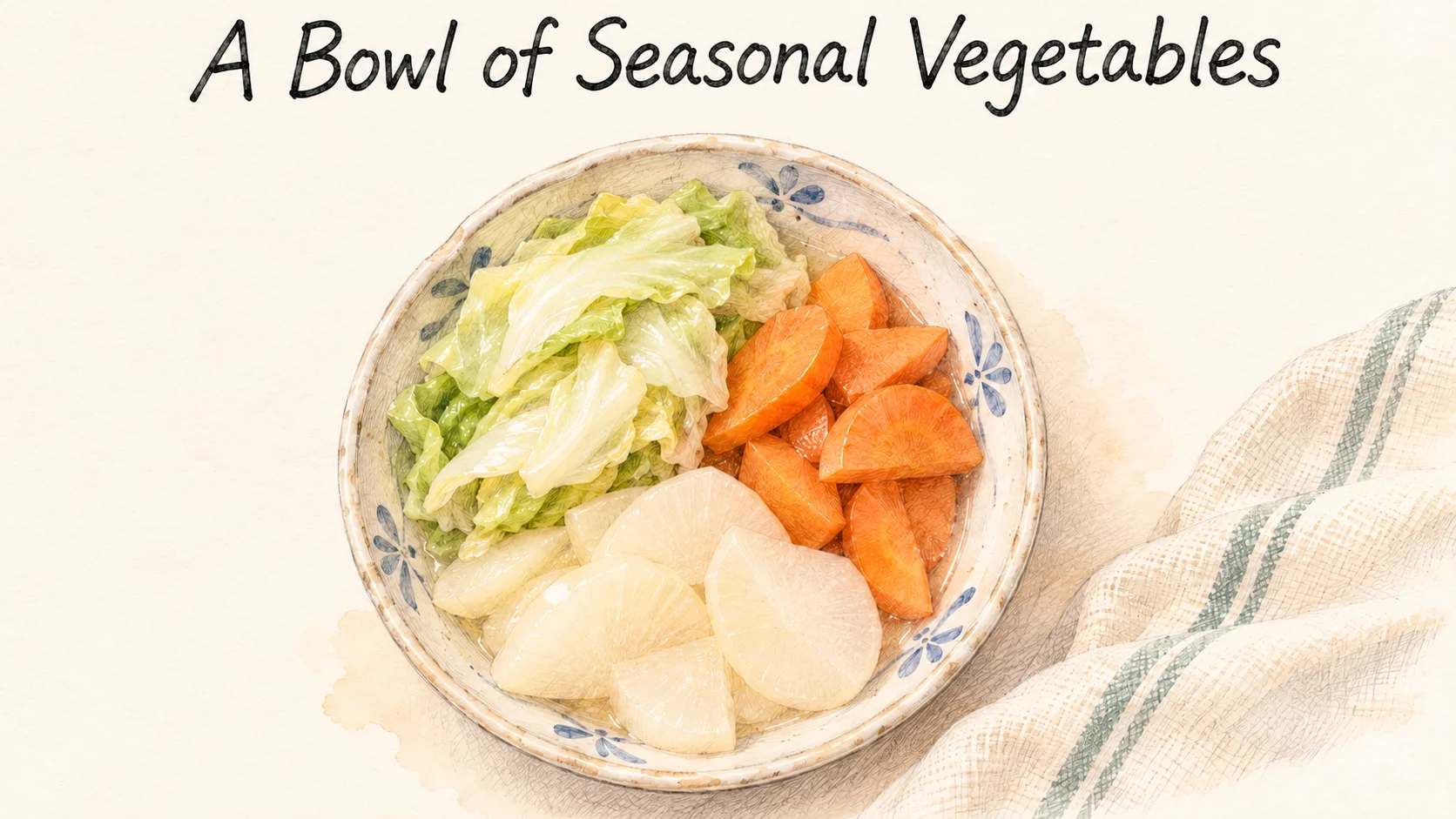
Put November cabbage, carrots, and locally abundant daikon in one bowl. Then use the market and the texture of the food to decide what to swap next time.
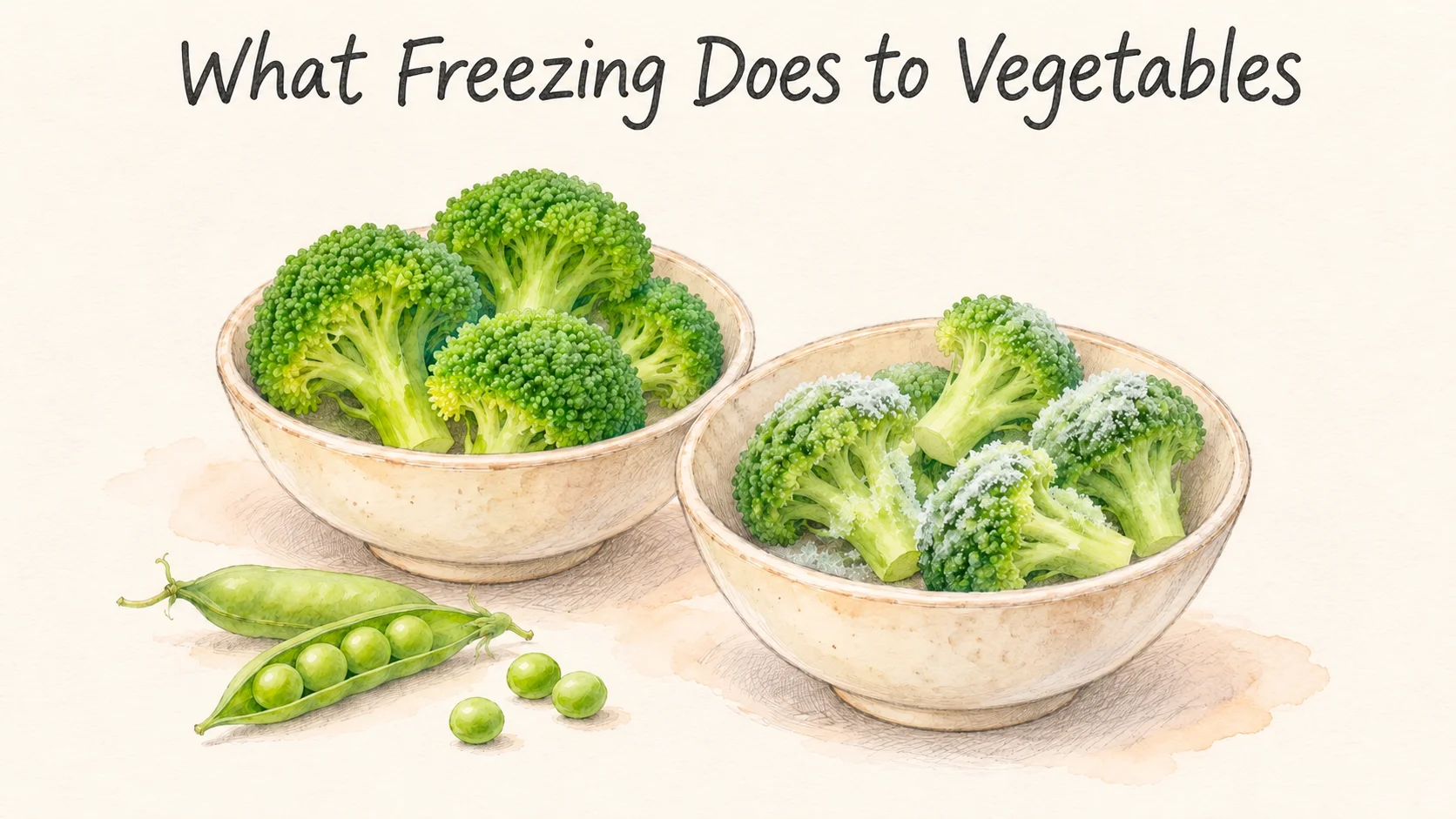
Freezing can change texture. The effect on vitamins depends on what you measure. A study started with one harvest and compared refrigeration with frozen storage.
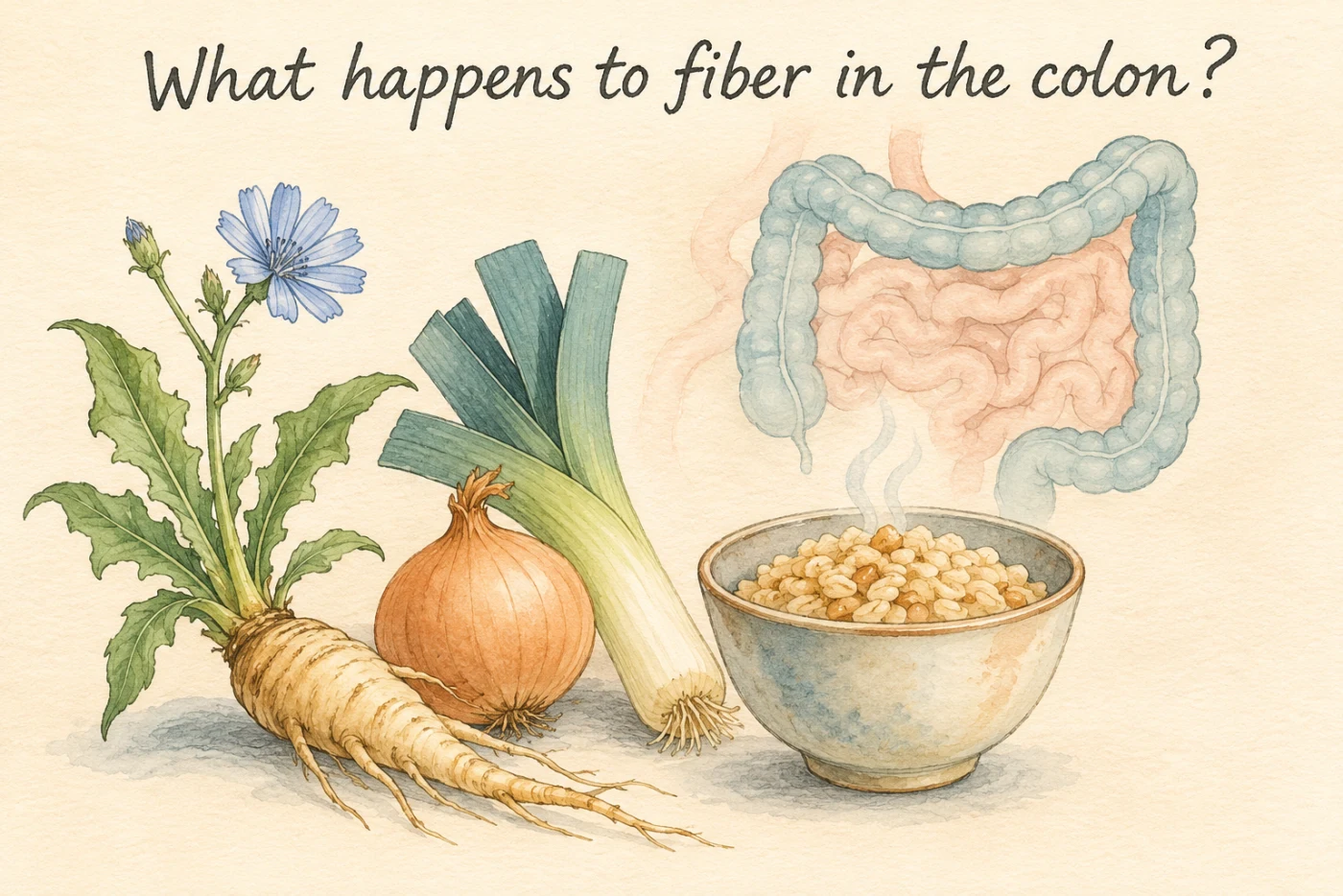
Researchers followed what happened for 12 hours after a breakfast with 15 grams of inulin. Gut microbes made short-chain fatty acids, and a blood sample could only show part of the story.
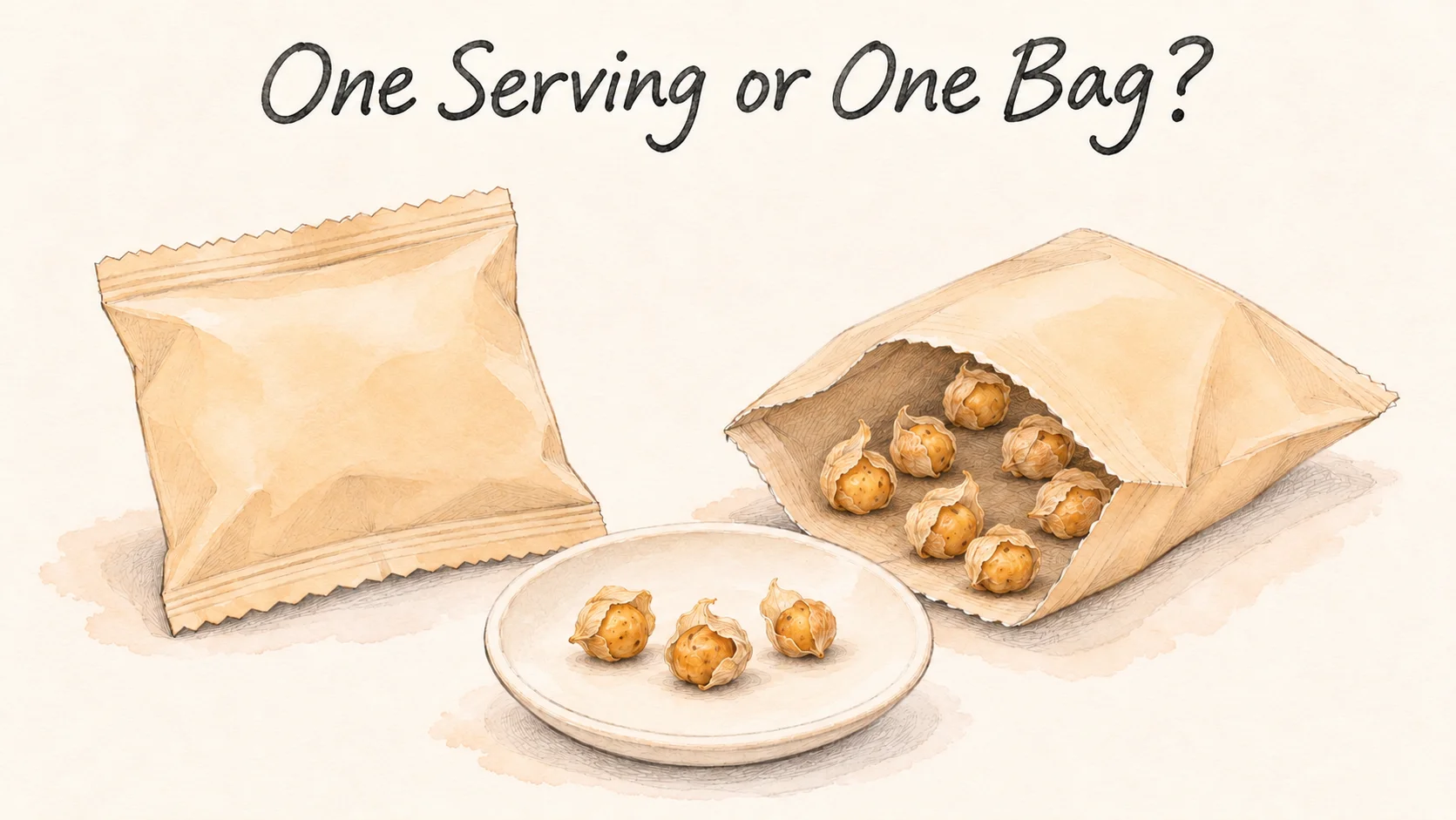
Start with serving weight and servings per package. A bag of roasted chickpeas shows how to calculate a bowl, a full bag, and a fair comparison between two foods.
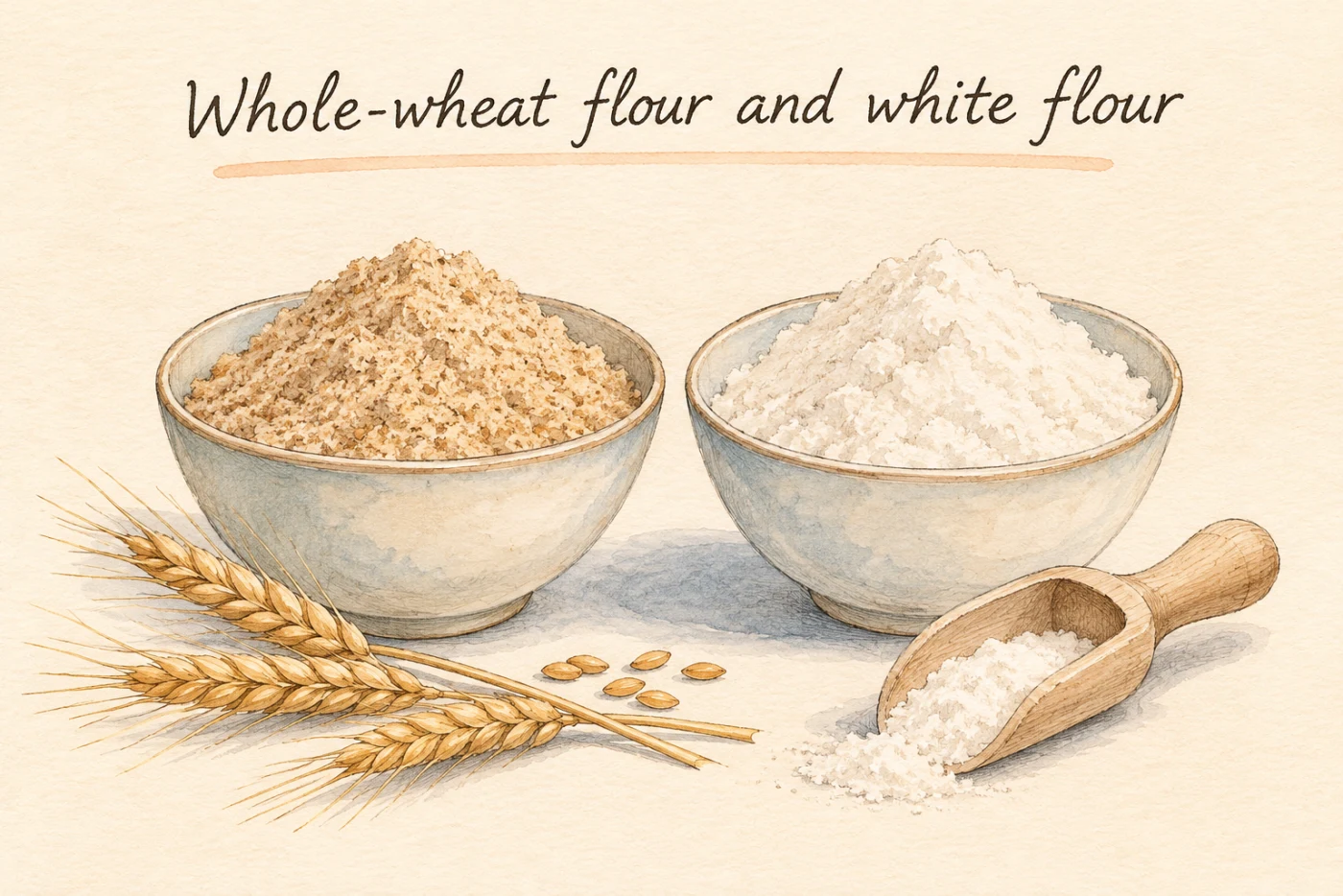
Whole-wheat flour keeps parts of the kernel that white flour largely leaves out. Distinguish what goes into the flour from how much of it a recipe uses.
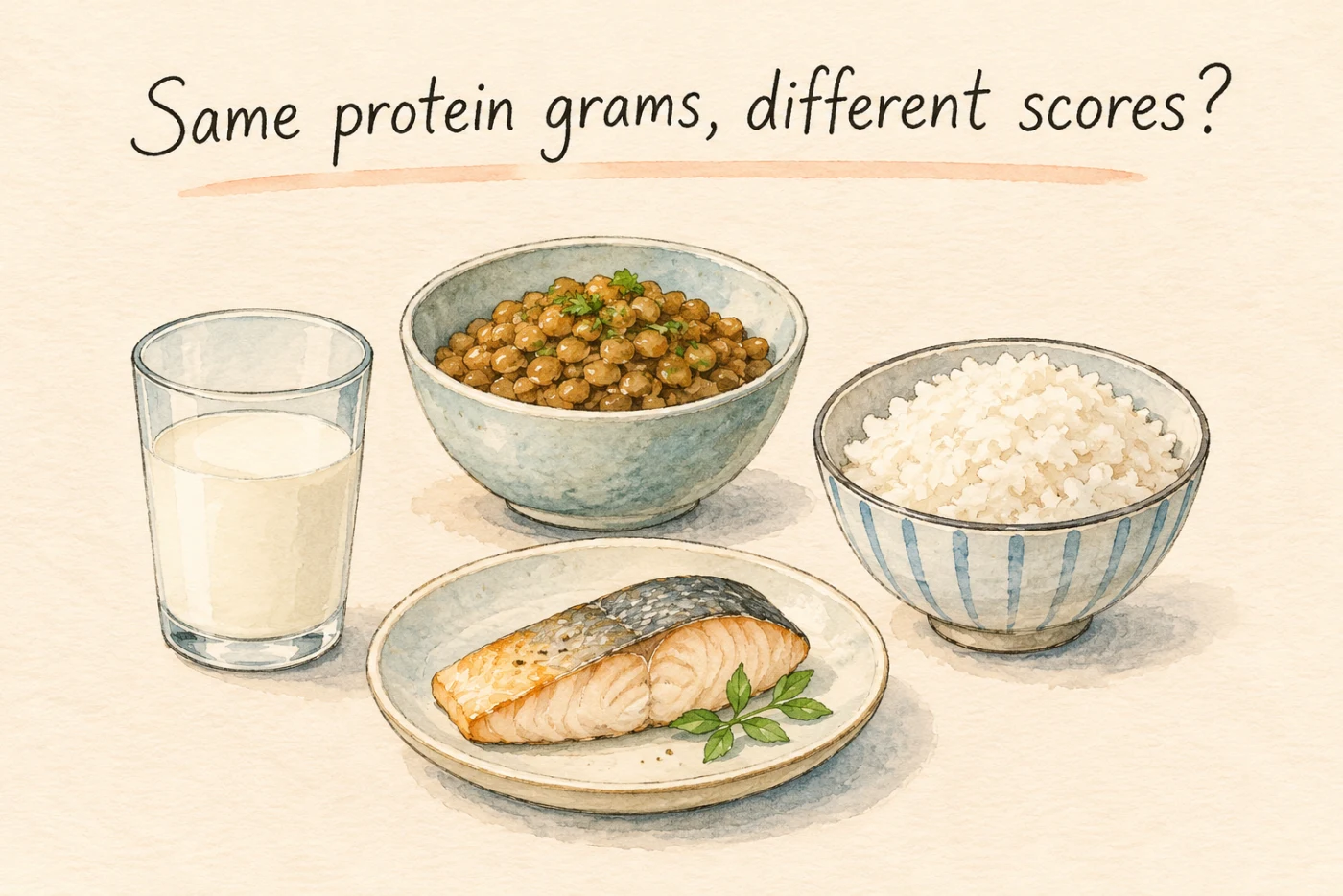
DIAAS is a comparison of digestible amino acids with a reference pattern. Here's what goes into the score and what it can tell you about a plate of food.
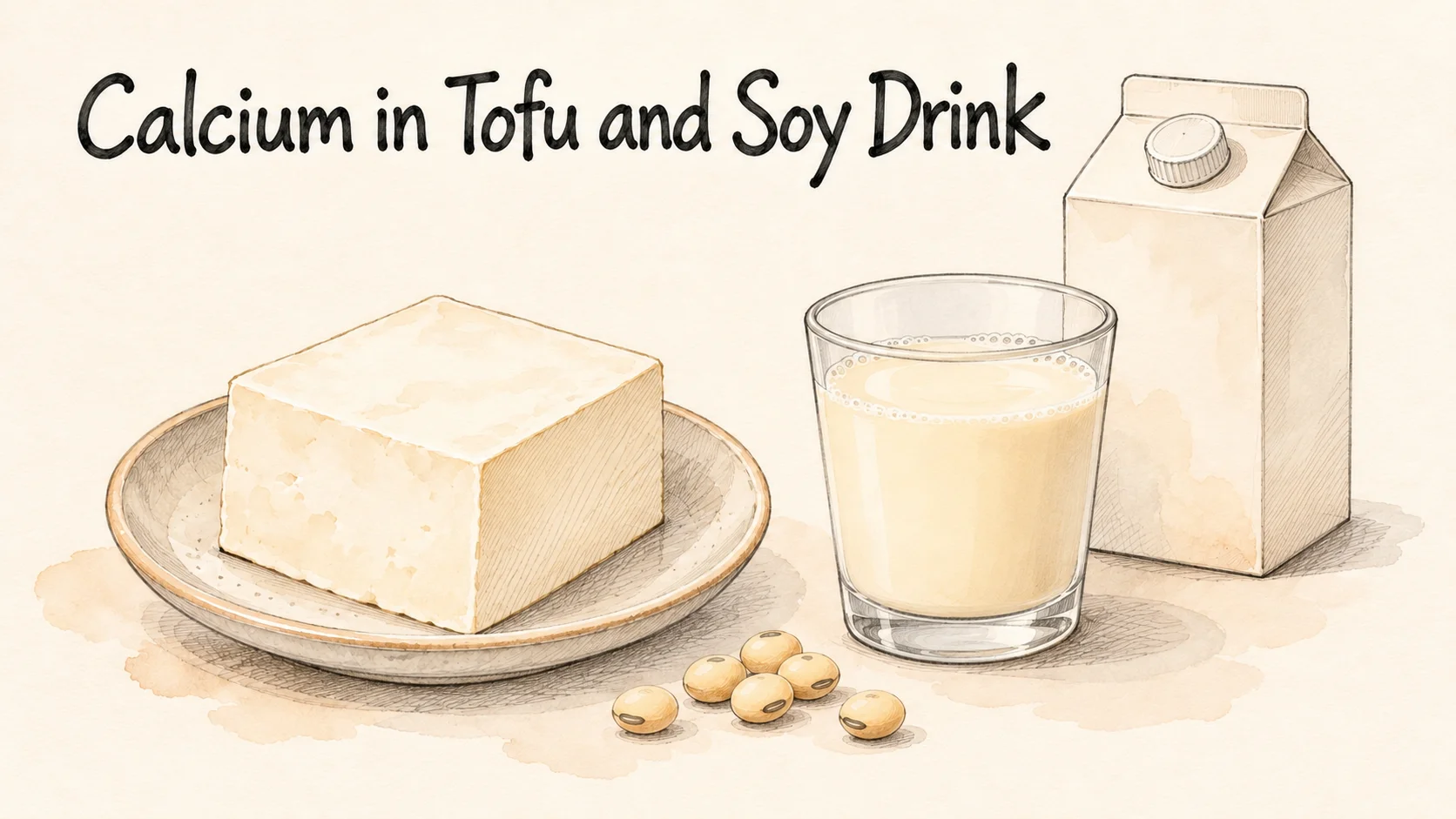
Tofu can gain calcium from the coagulant that sets it, while soy milk can be fortified. Here is how to find the amount in what you eat or drink.
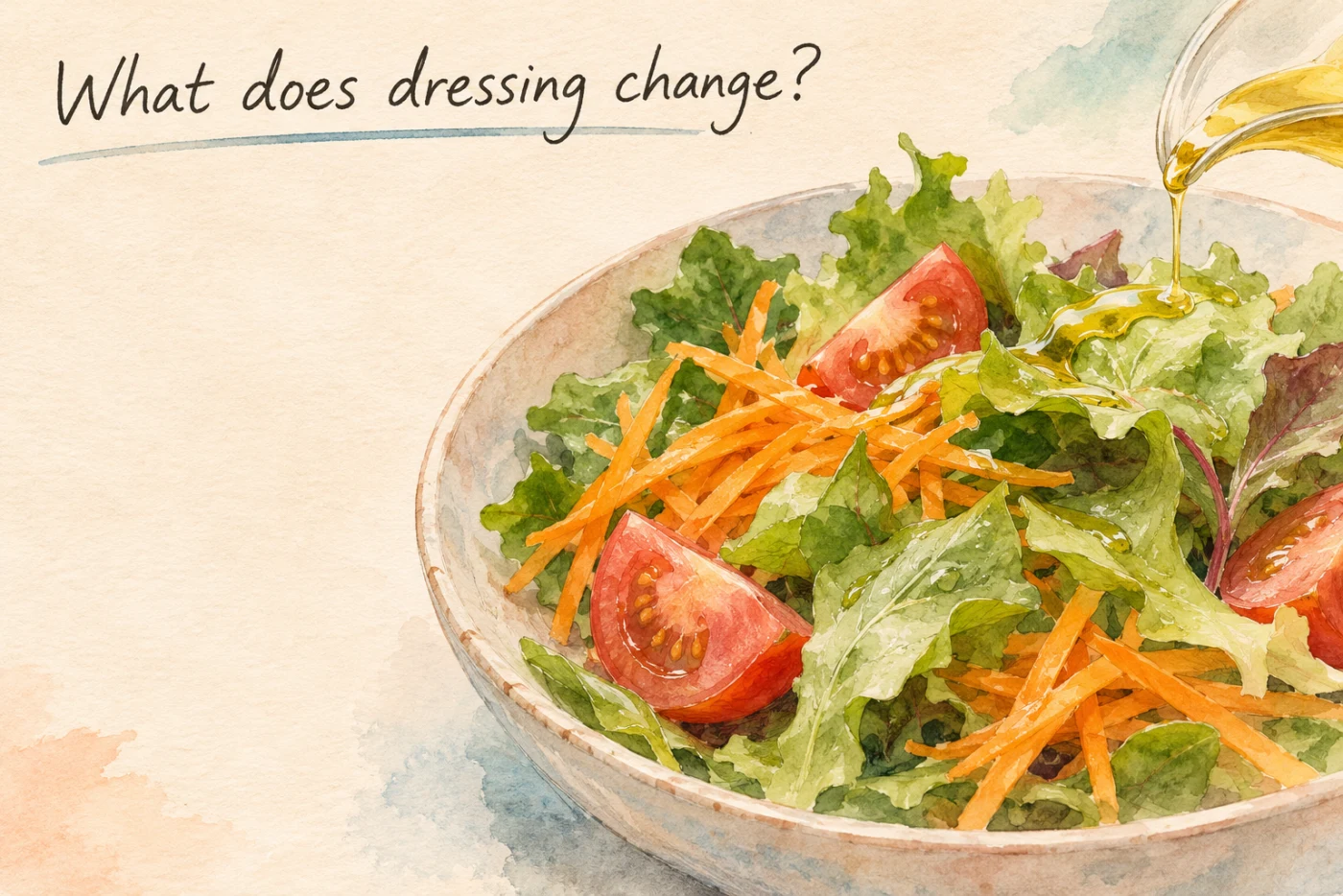
Seven people ate the same vegetables on three different days with different amounts of oil. Researchers looked for carrot and tomato pigments in the particles that carry fat.