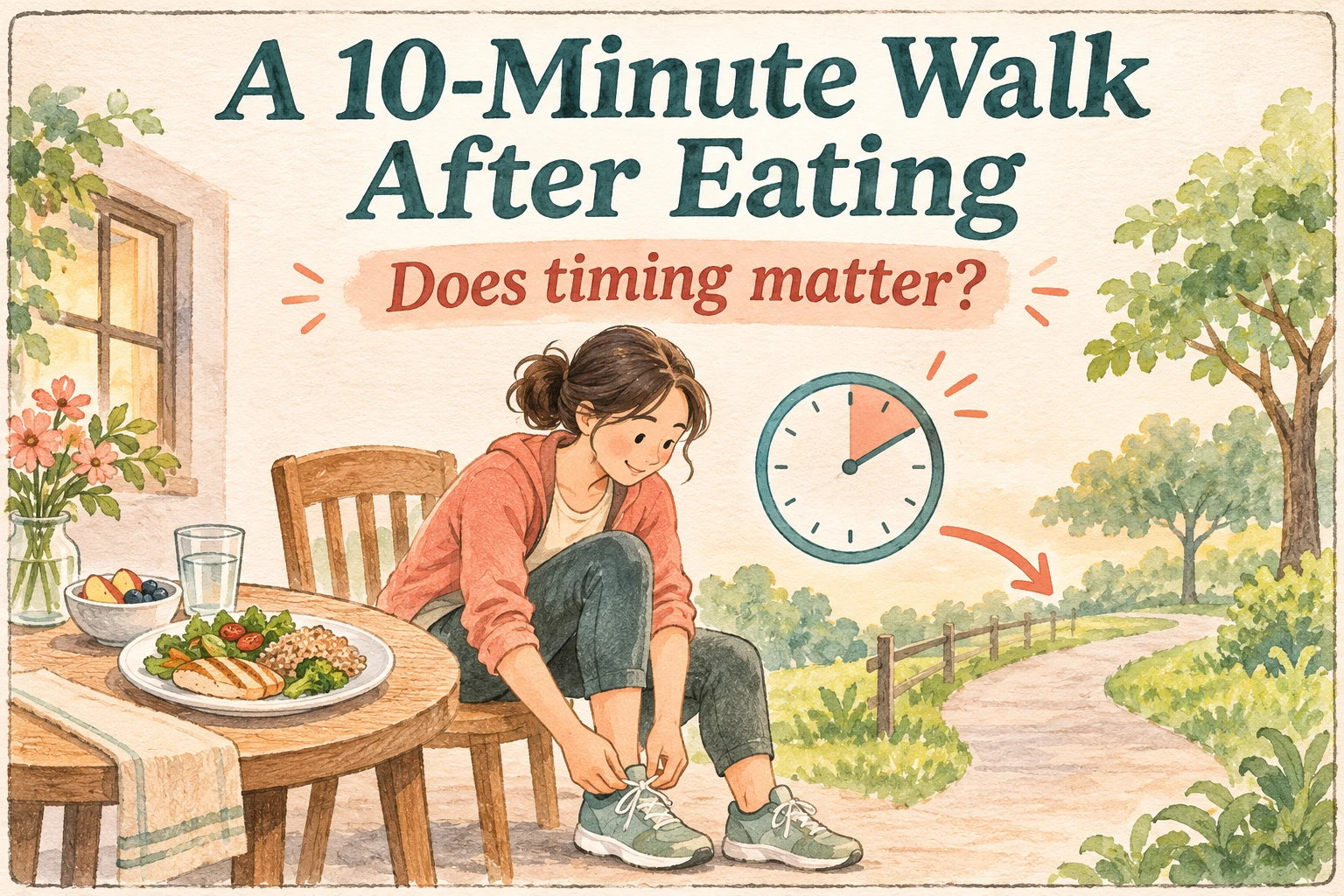
In a crossover study, 12 healthy young adults had lower two-hour glucose averages after either an immediate 10-minute walk or a delayed 30-minute walk than after sitting. Timing was part of the dose.
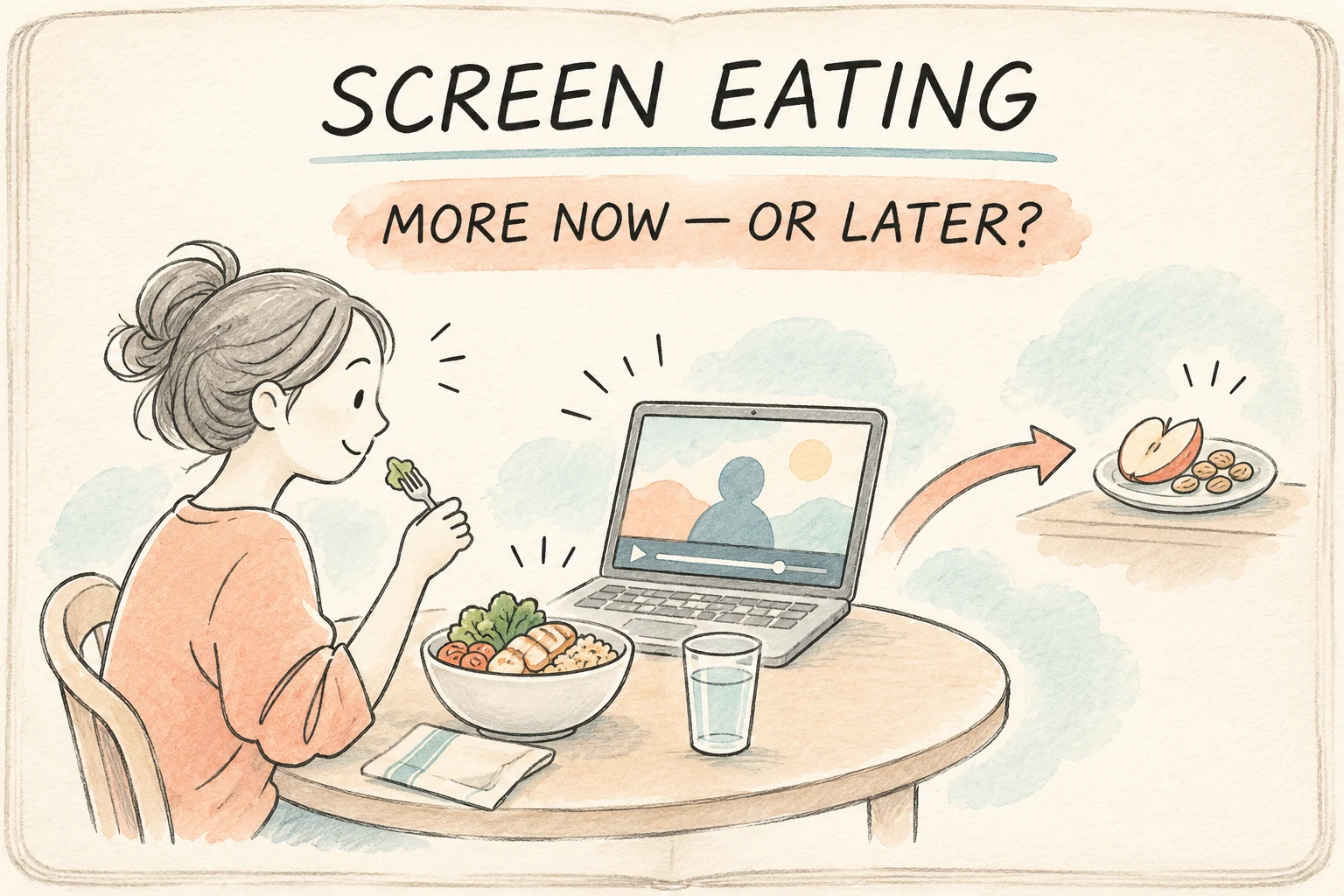
Across 50 experiments, distraction did not clearly increase intake during the meal. The more consistent difference appeared at the next eating occasion.
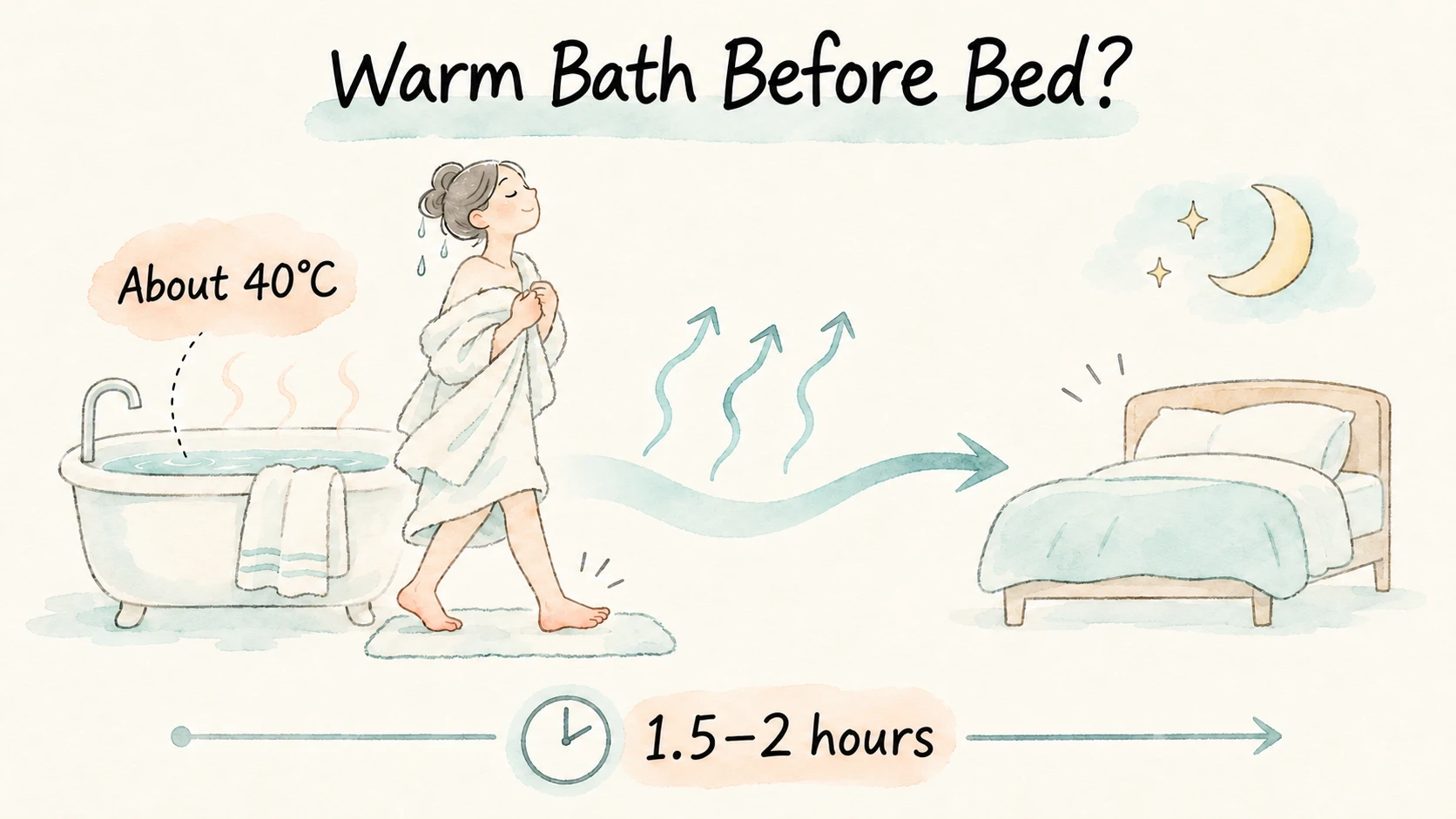
In a 23-person home experiment, a longer 40°C bath completed 1.5–2 hours before bed was followed by sleep onset about eight minutes sooner than a shower.
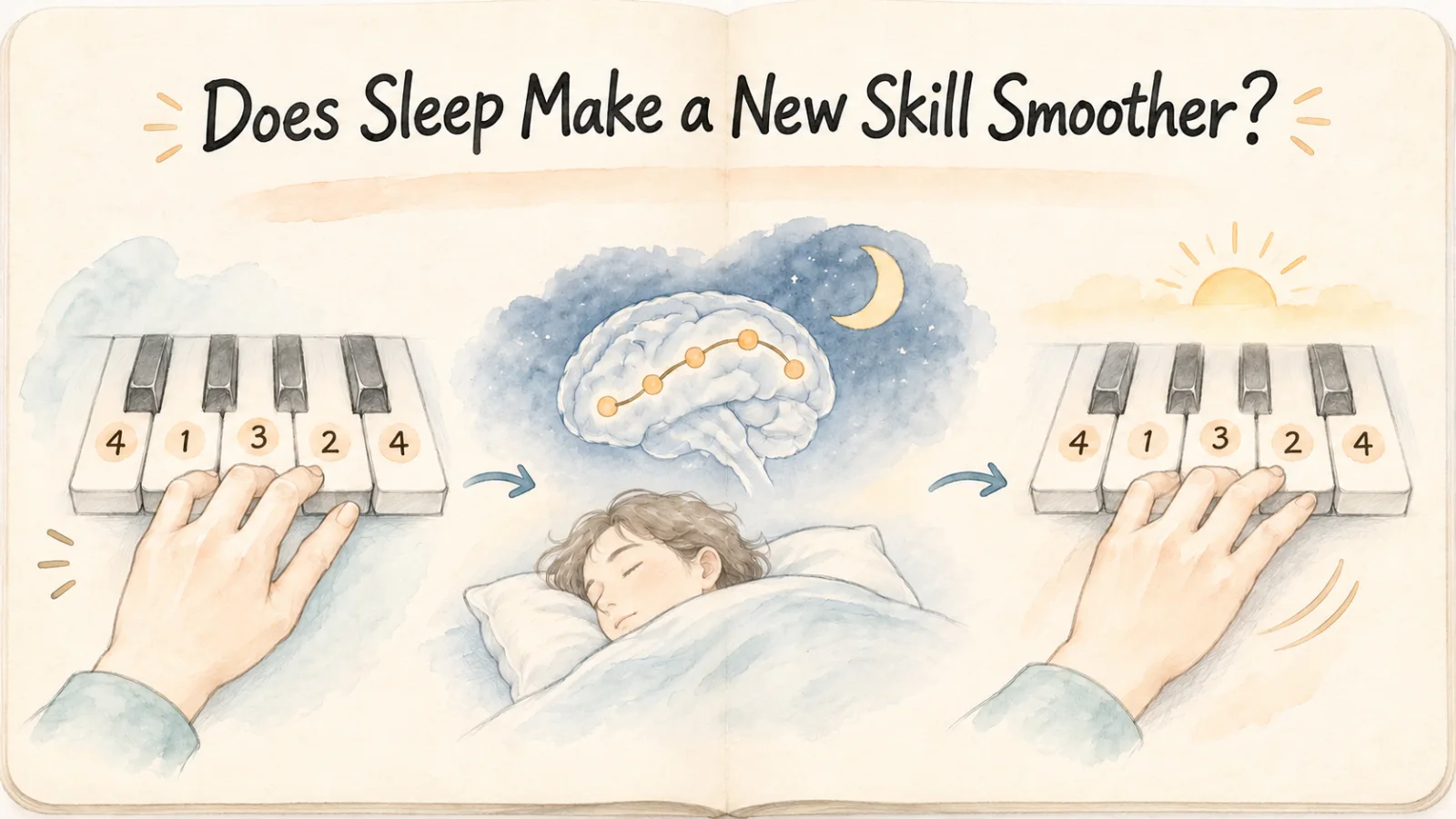
Sleep can help stabilize a newly learned movement sequence, but that does not mean every skill improves 20% overnight. Here is what finger-tapping experiments actually measured.
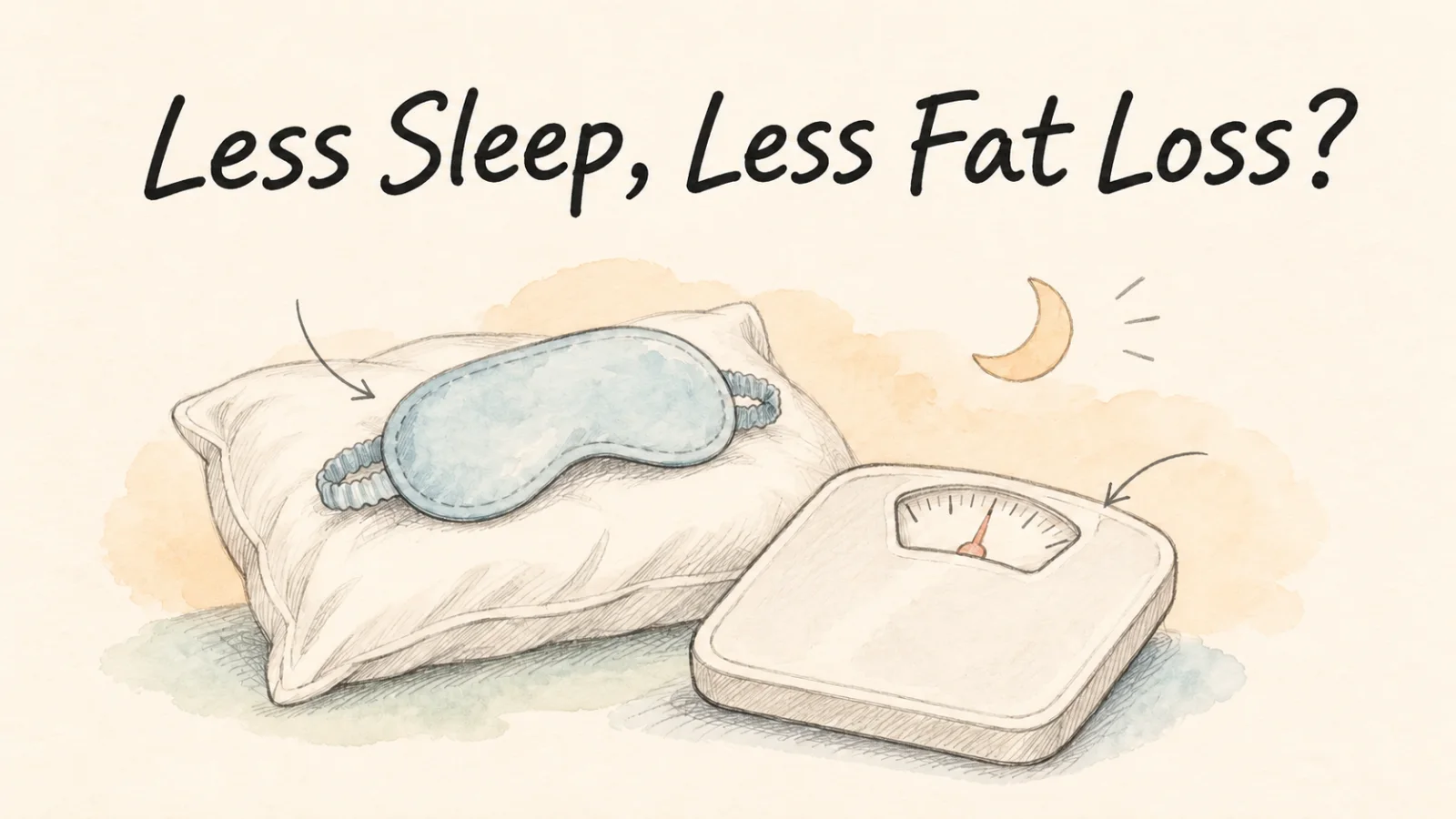
A change on the scale can hide differences in body composition. Three human studies show what short sleep changed in the lab and at home.
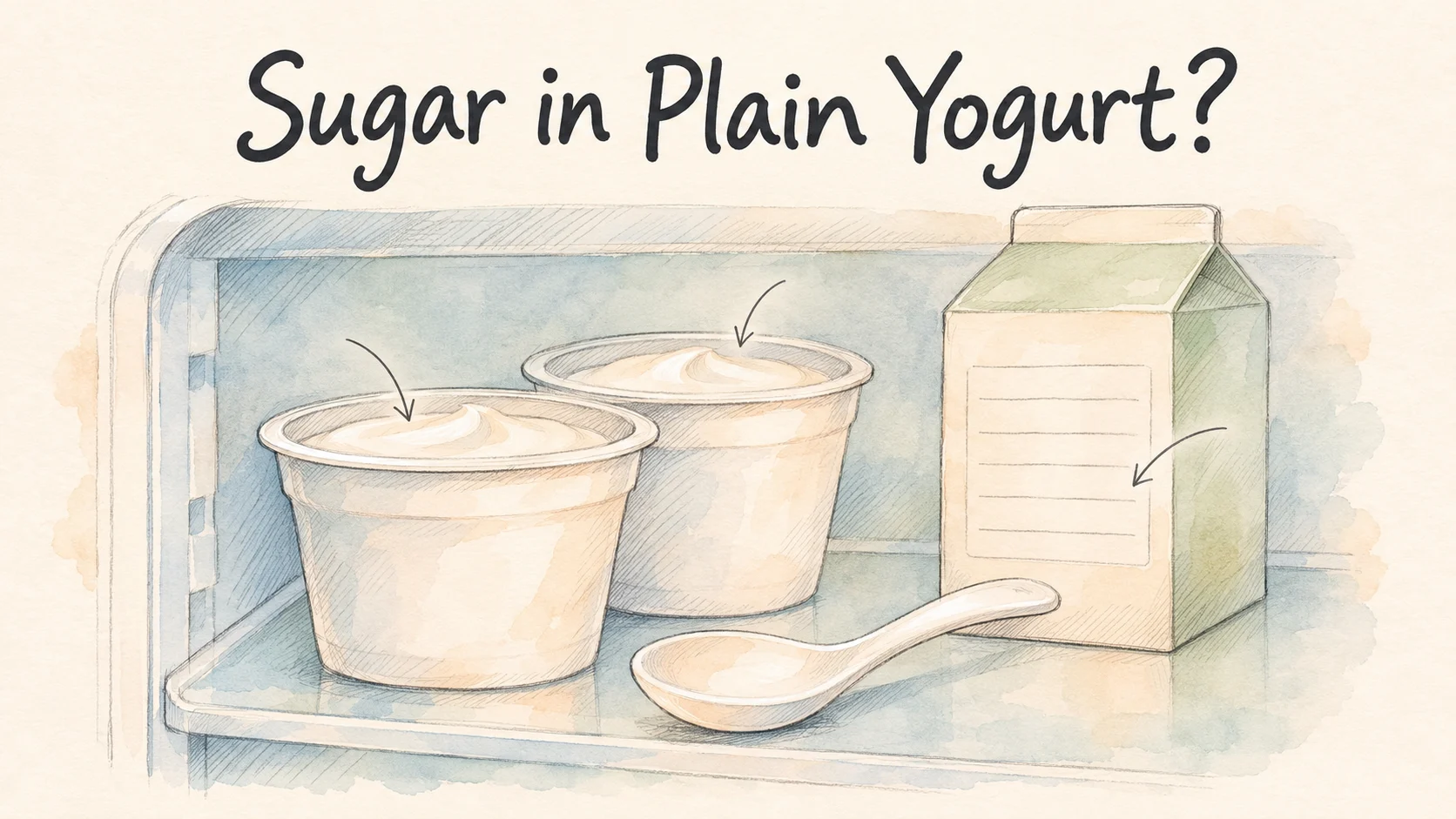
Milk naturally contains lactose. Read a yogurt's ingredient list, compare two tubs by weight, and calculate the amount of sugar in the portion you actually eat.

Put November cabbage, carrots, and locally abundant daikon in one bowl. Then use the market and the texture of the food to decide what to swap next time.
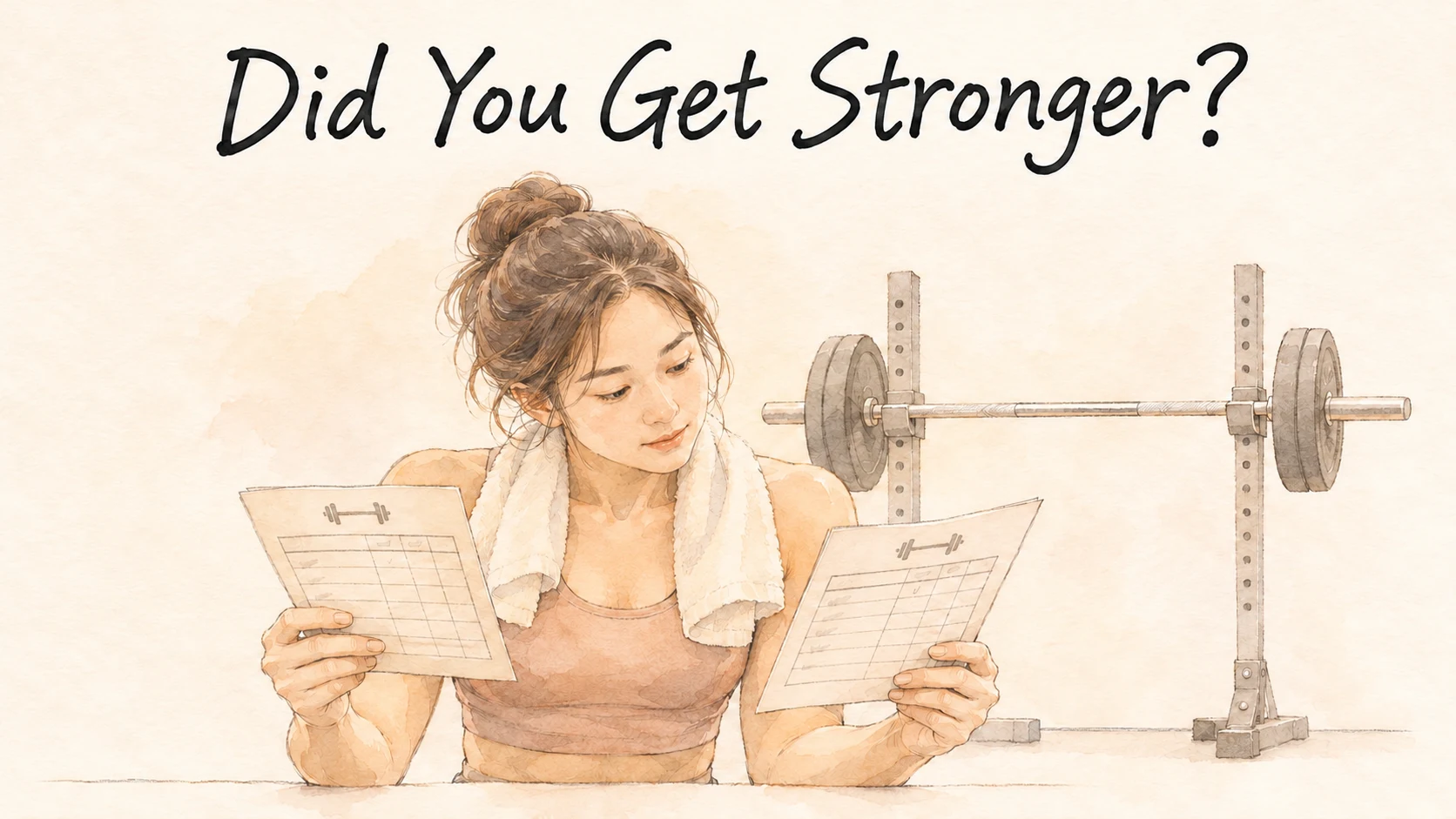
Researchers asked men with and without lifting experience to repeat a strength test four times. Their numbers show why it helps to compare the same lift under similar conditions.
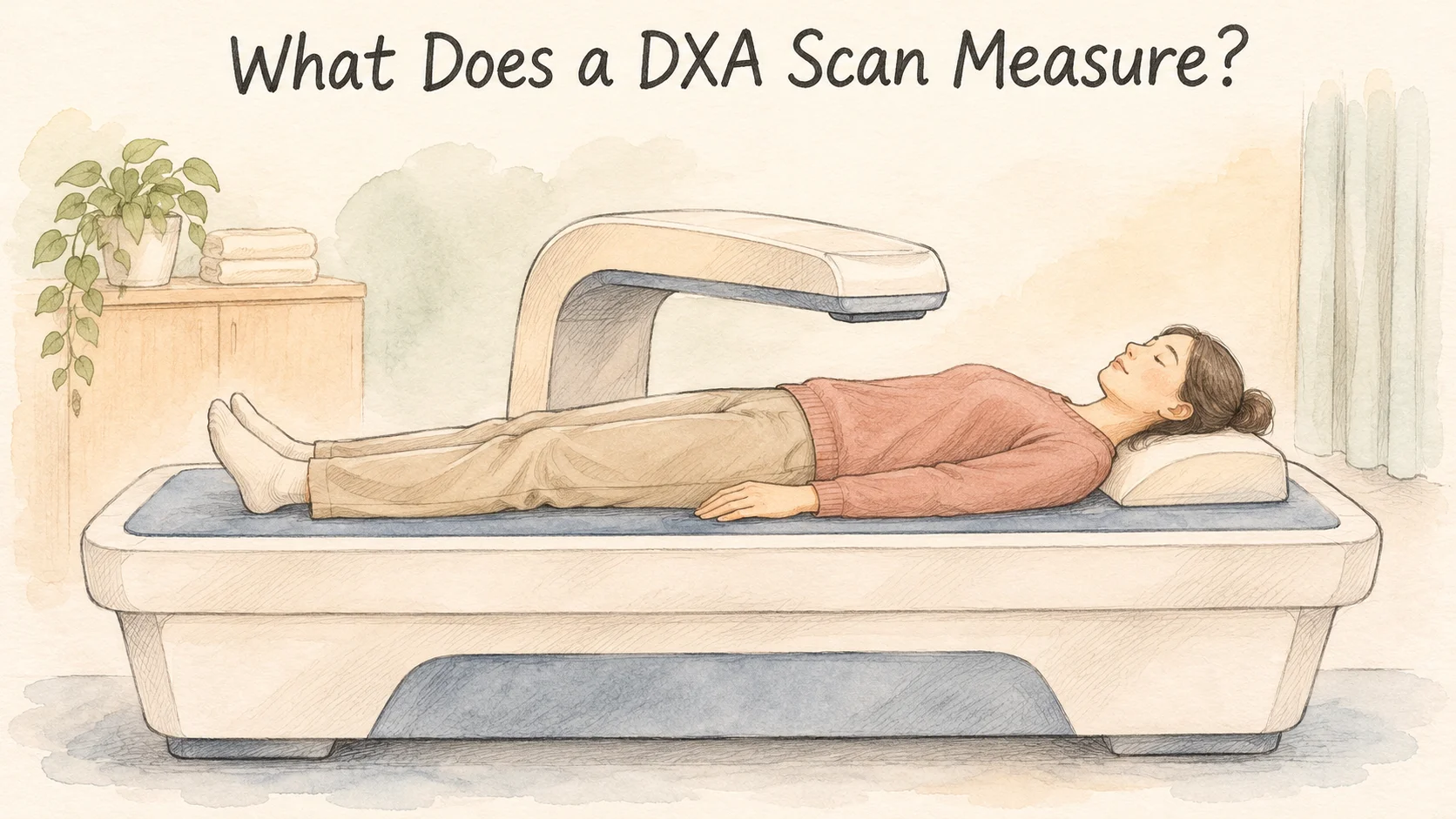
A whole-body DXA scan estimates bone mineral, fat, and lean soft tissue. Here is how the three estimates are made and how scientists use the limb figures to predict skeletal muscle mass.
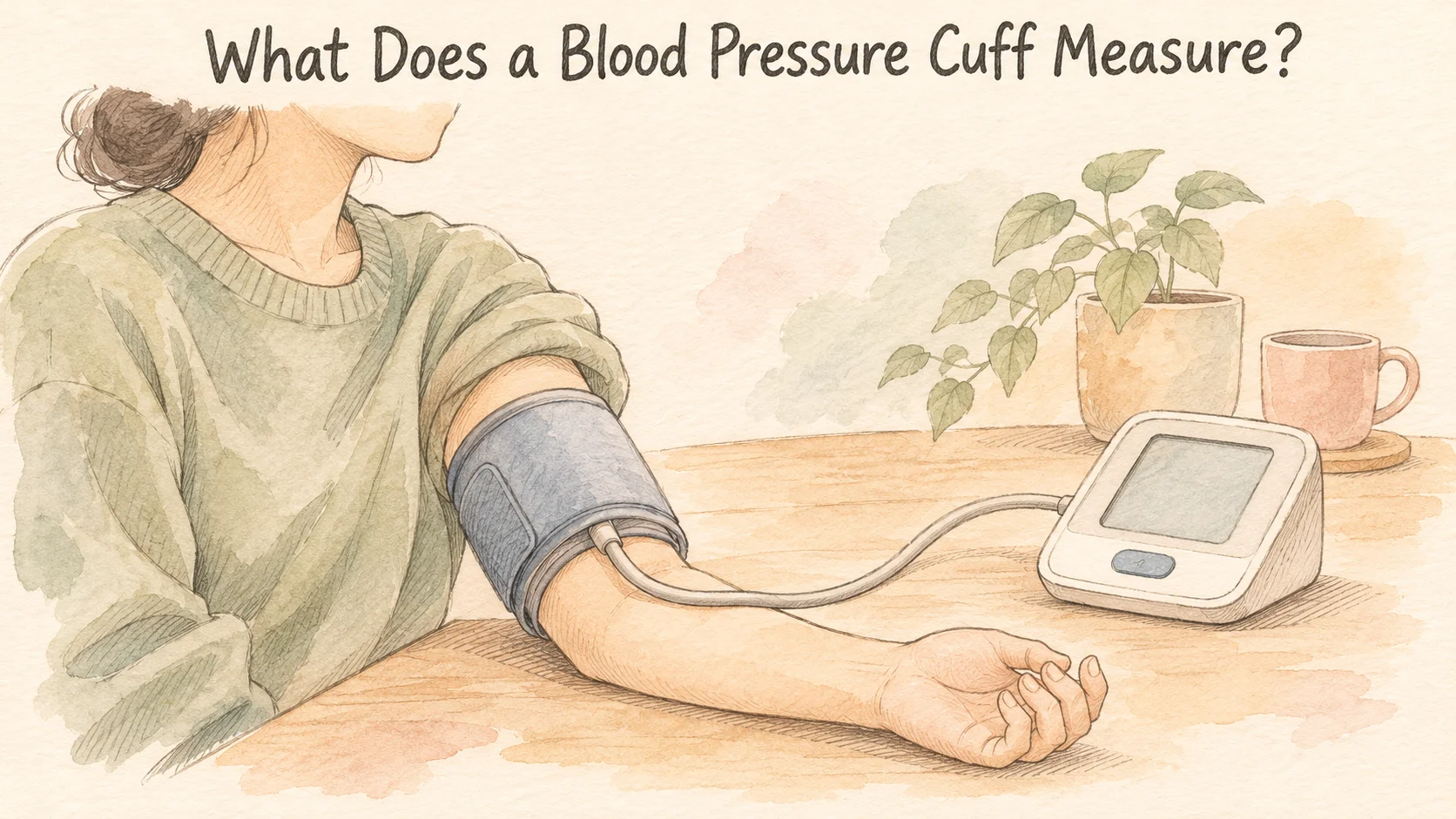
Systolic and diastolic pressure describe the high and low points of a heartbeat. Two crossover trials show why cuff size and arm position matter to a reading.