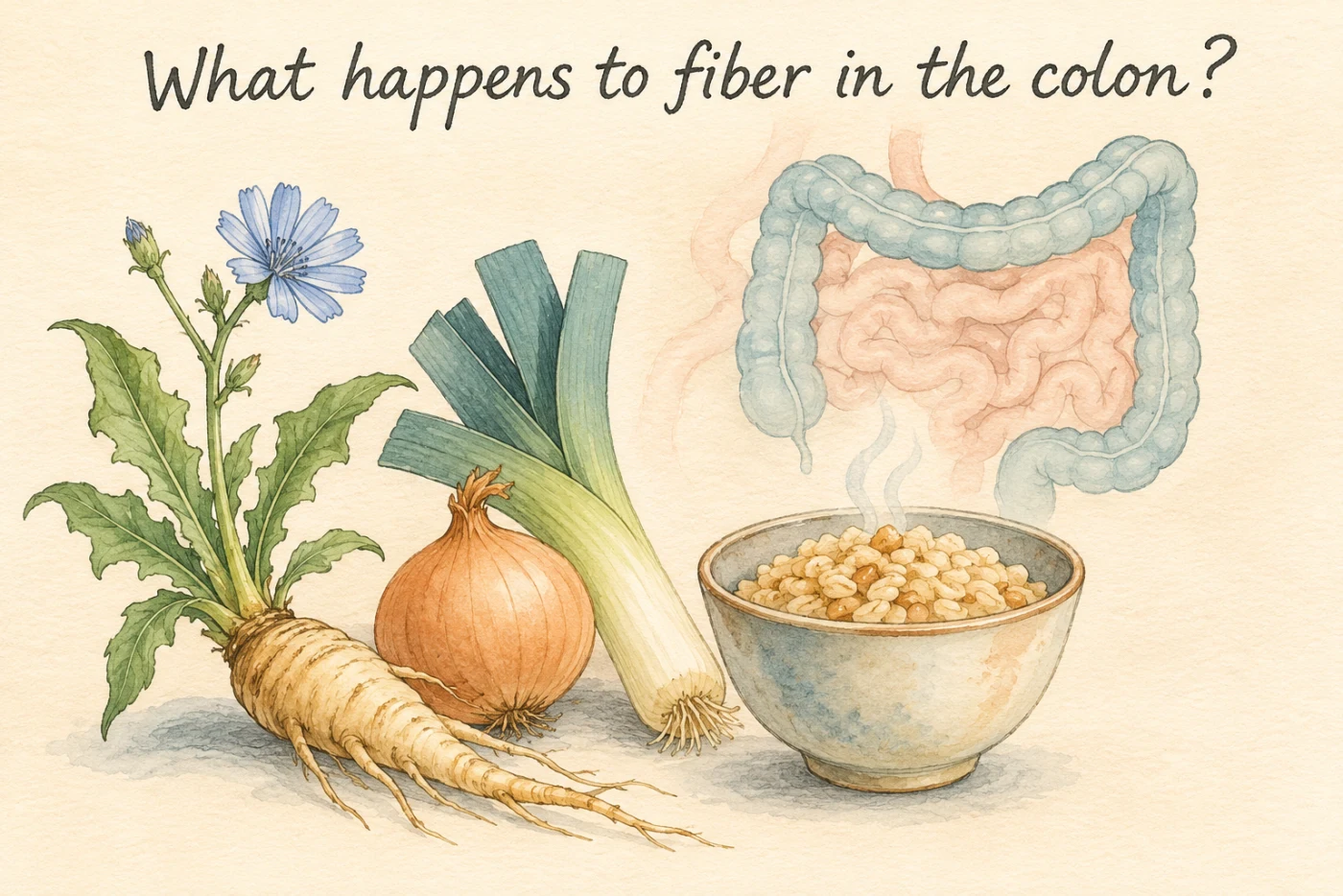
Researchers followed what happened for 12 hours after a breakfast with 15 grams of inulin. Gut microbes made short-chain fatty acids, and a blood sample could only show part of the story.
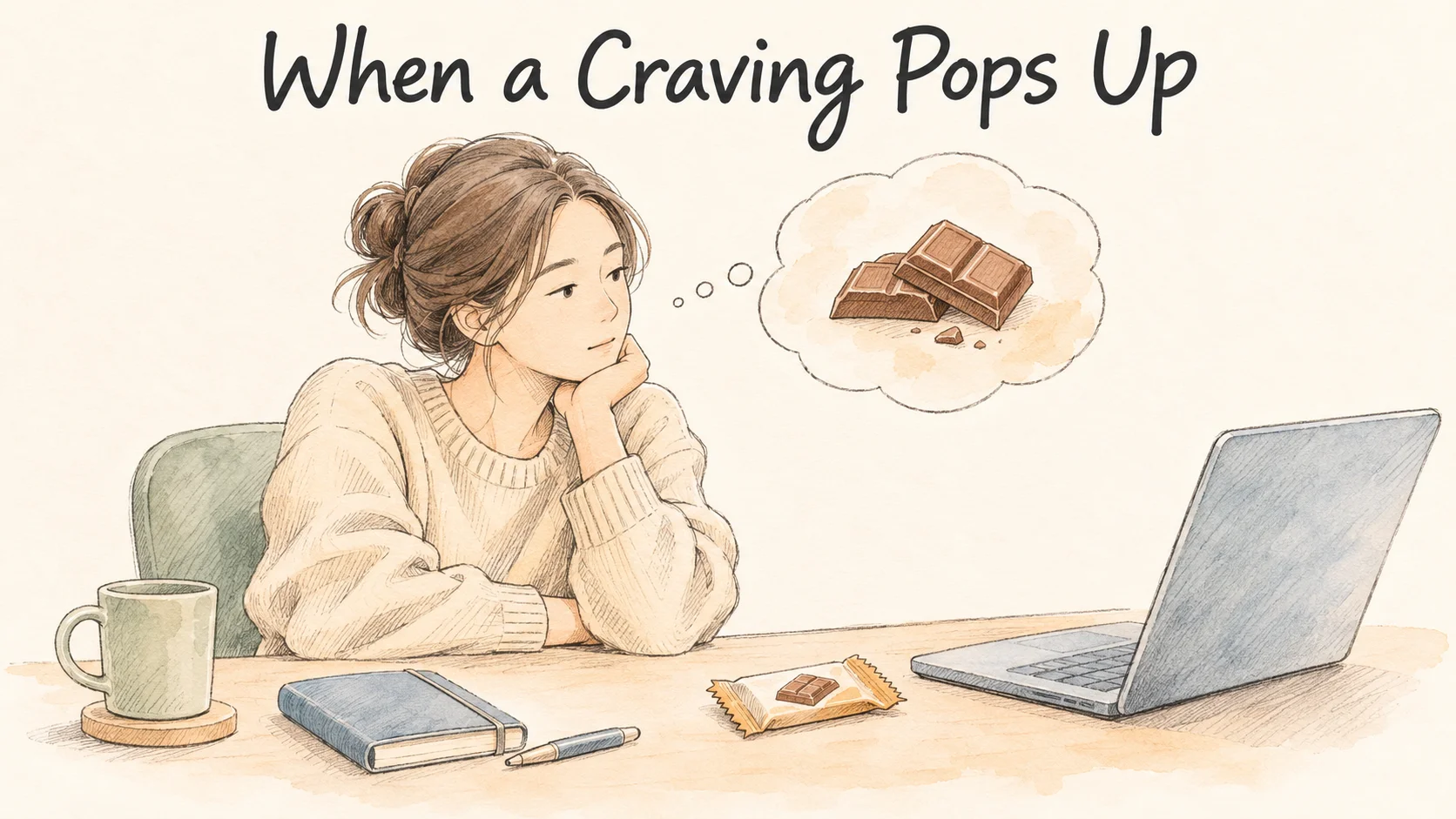
Short experiments show how thoughts about chocolate can change and why that doesn't tell us how much people eat.

Eight people spent a week in their usual surroundings and a week camping. Brighter days and darker evenings shifted their body clocks and sleep schedules.
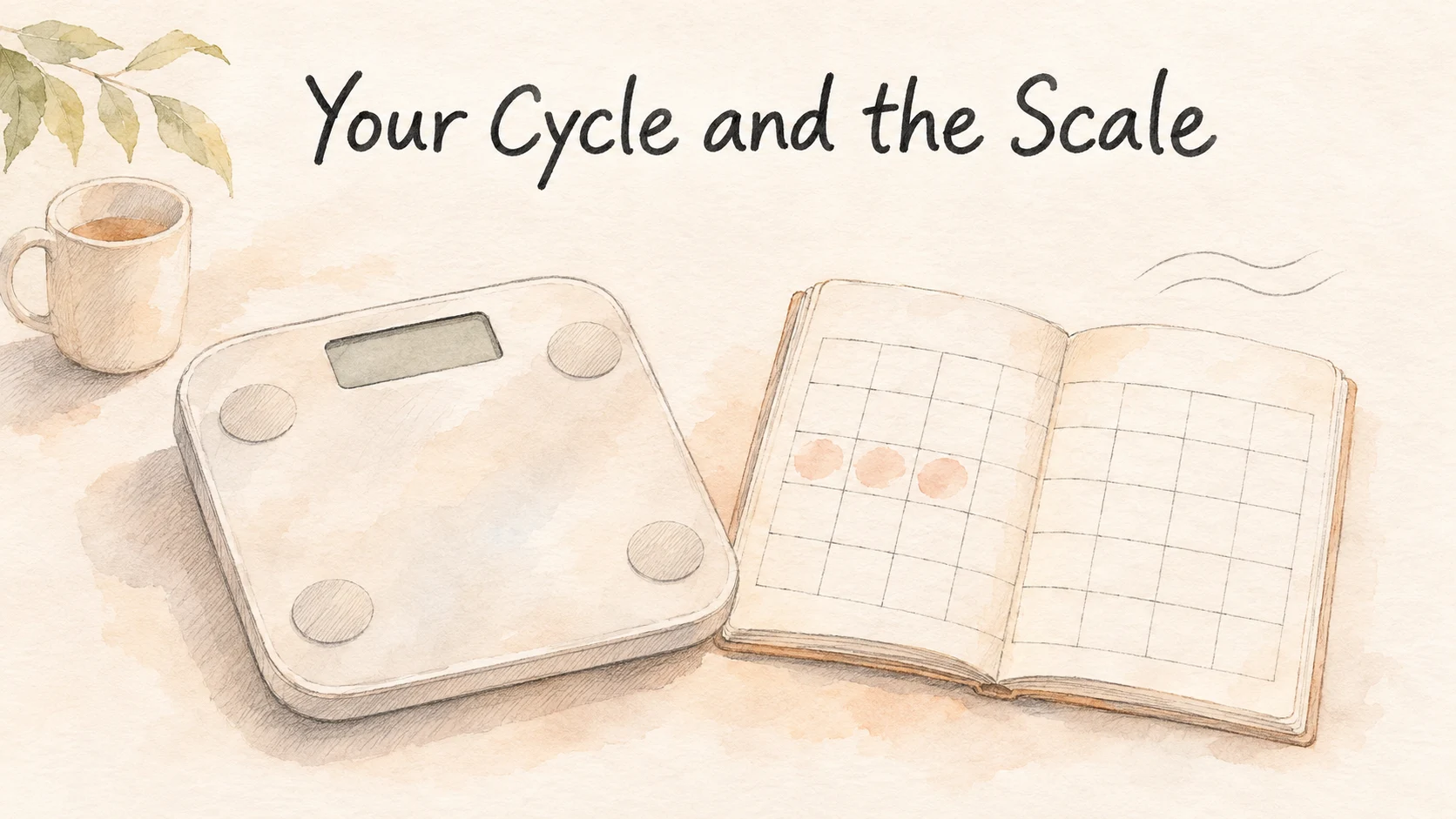
Weight and the feeling of bloating can move during a menstrual cycle. See what two studies measured and how to compare readings over time.
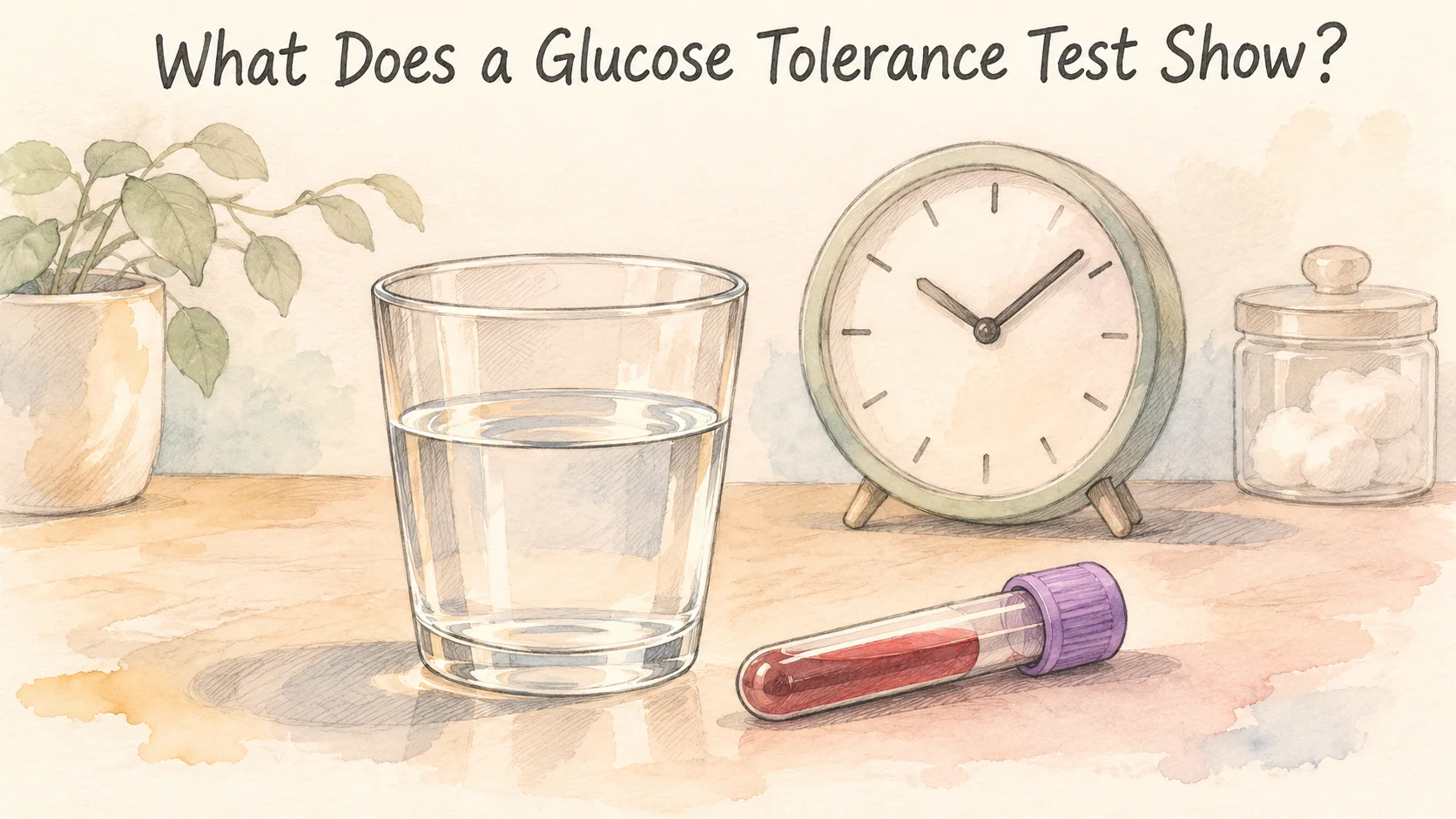
A glucose drink makes the starting conditions comparable. Read what the two blood samples capture and what a repeat-testing study found.
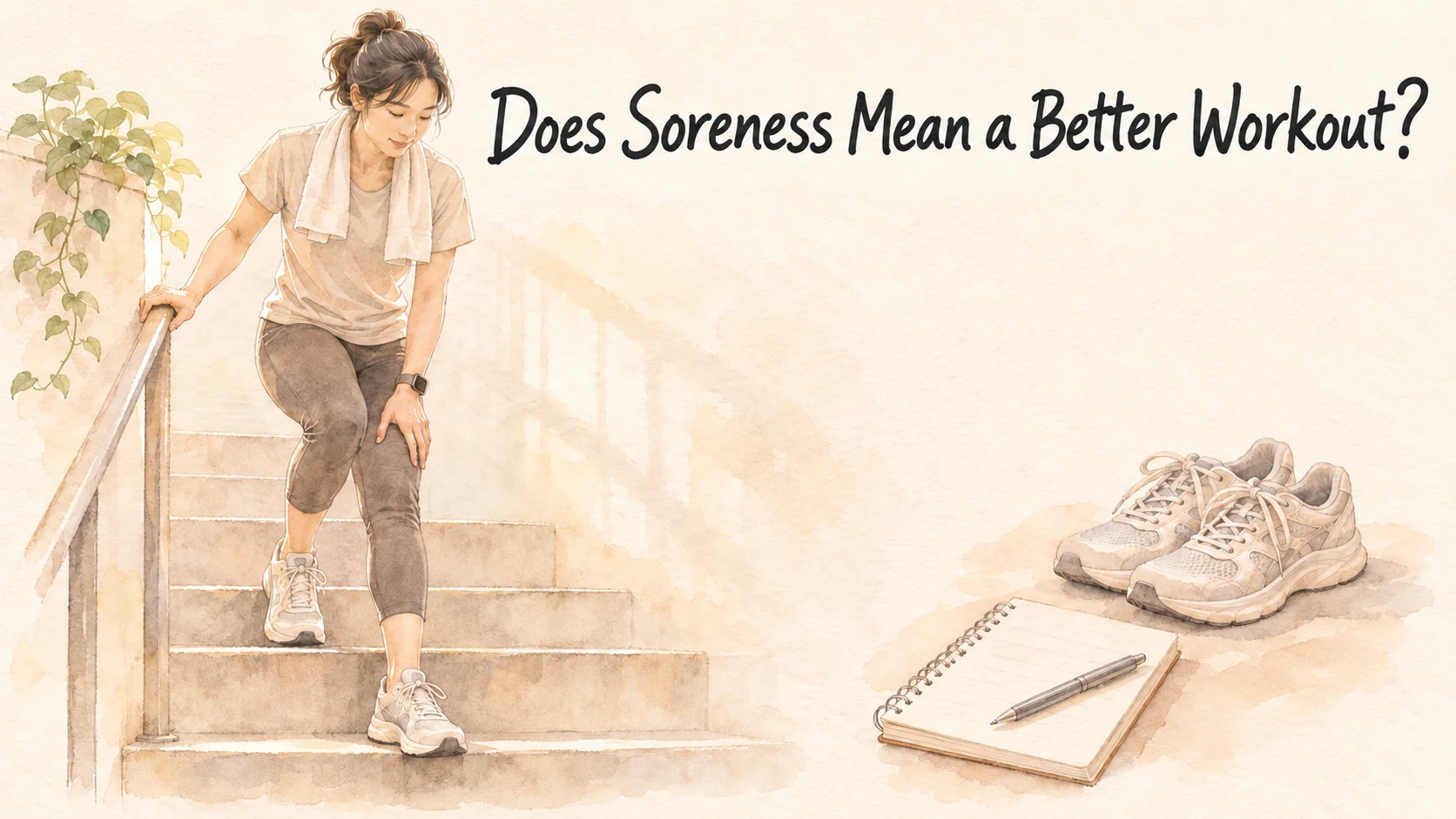
Two human studies show what happens when soreness, short-term strength, and muscle growth are measured separately.
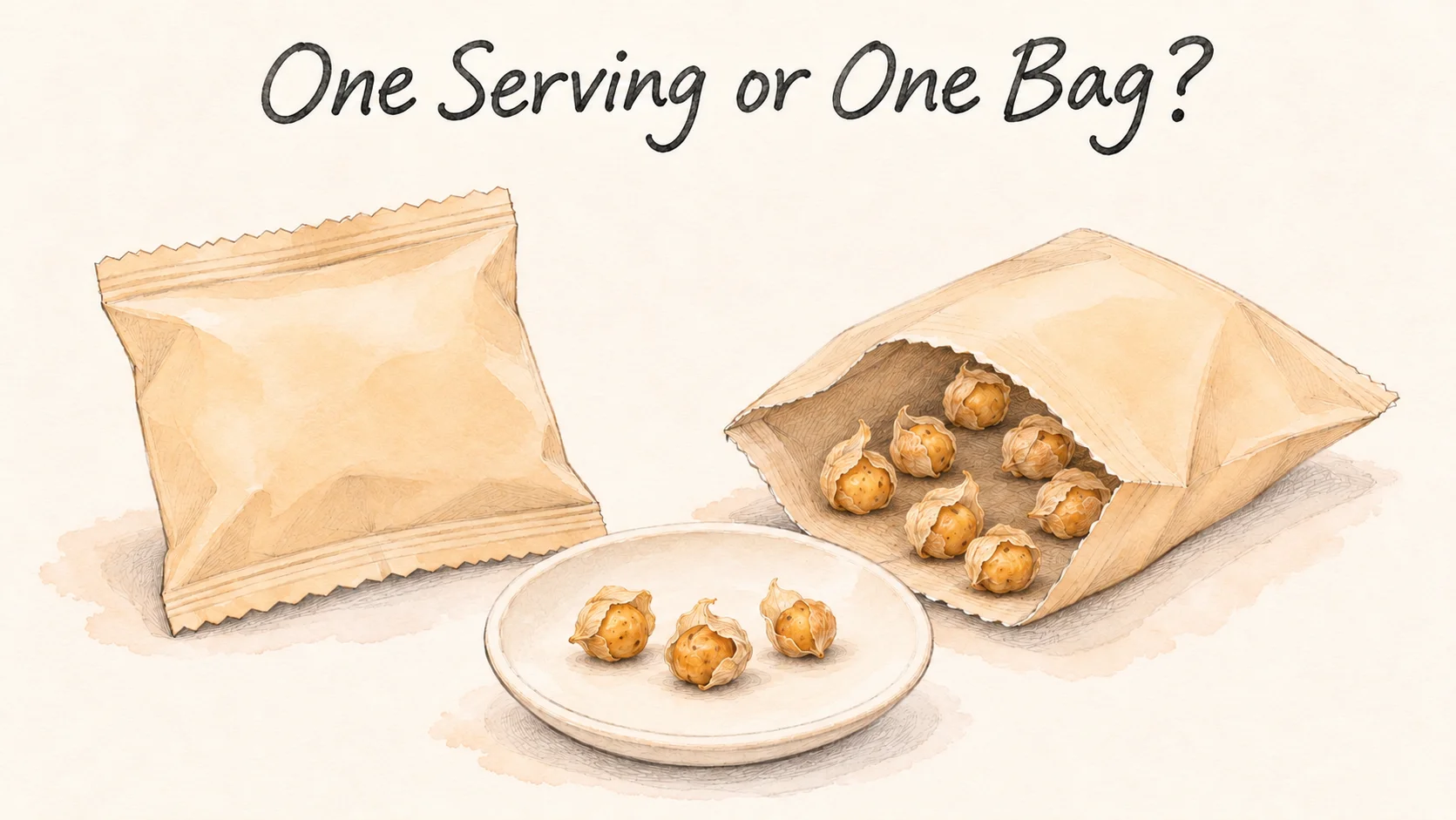
Start with serving weight and servings per package. A bag of roasted chickpeas shows how to calculate a bowl, a full bag, and a fair comparison between two foods.
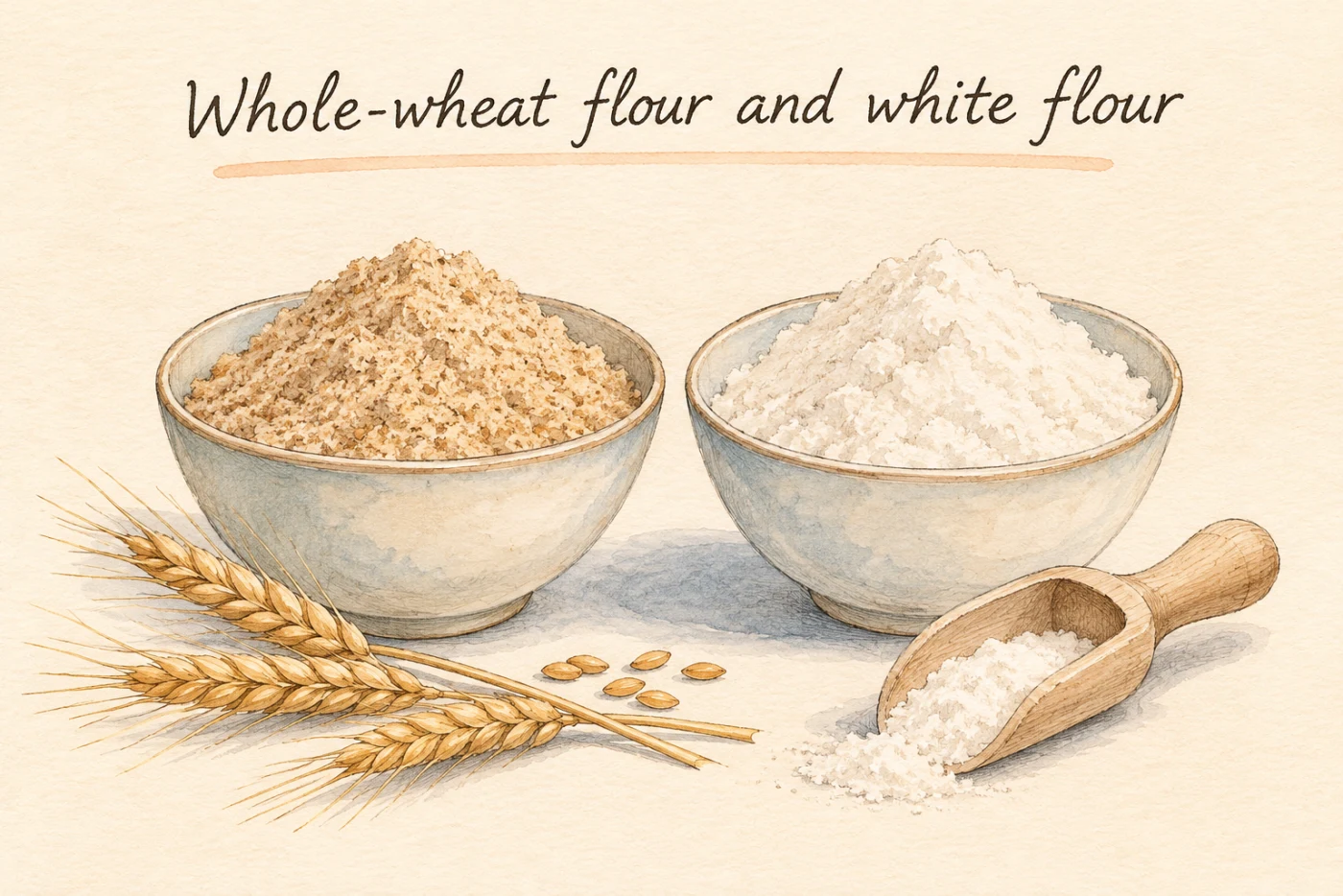
Whole-wheat flour keeps parts of the kernel that white flour largely leaves out. Distinguish what goes into the flour from how much of it a recipe uses.
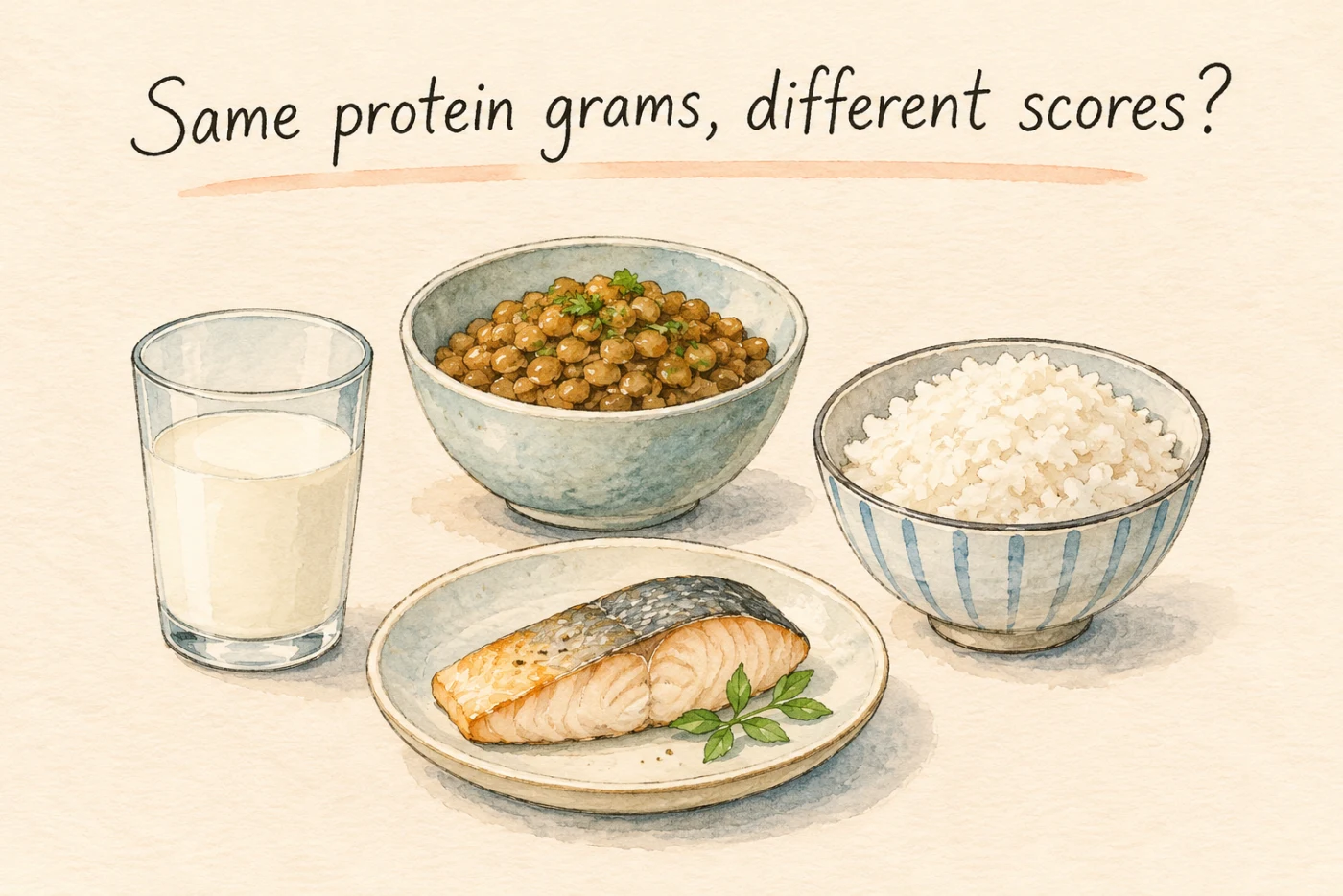
DIAAS is a comparison of digestible amino acids with a reference pattern. Here's what goes into the score and what it can tell you about a plate of food.
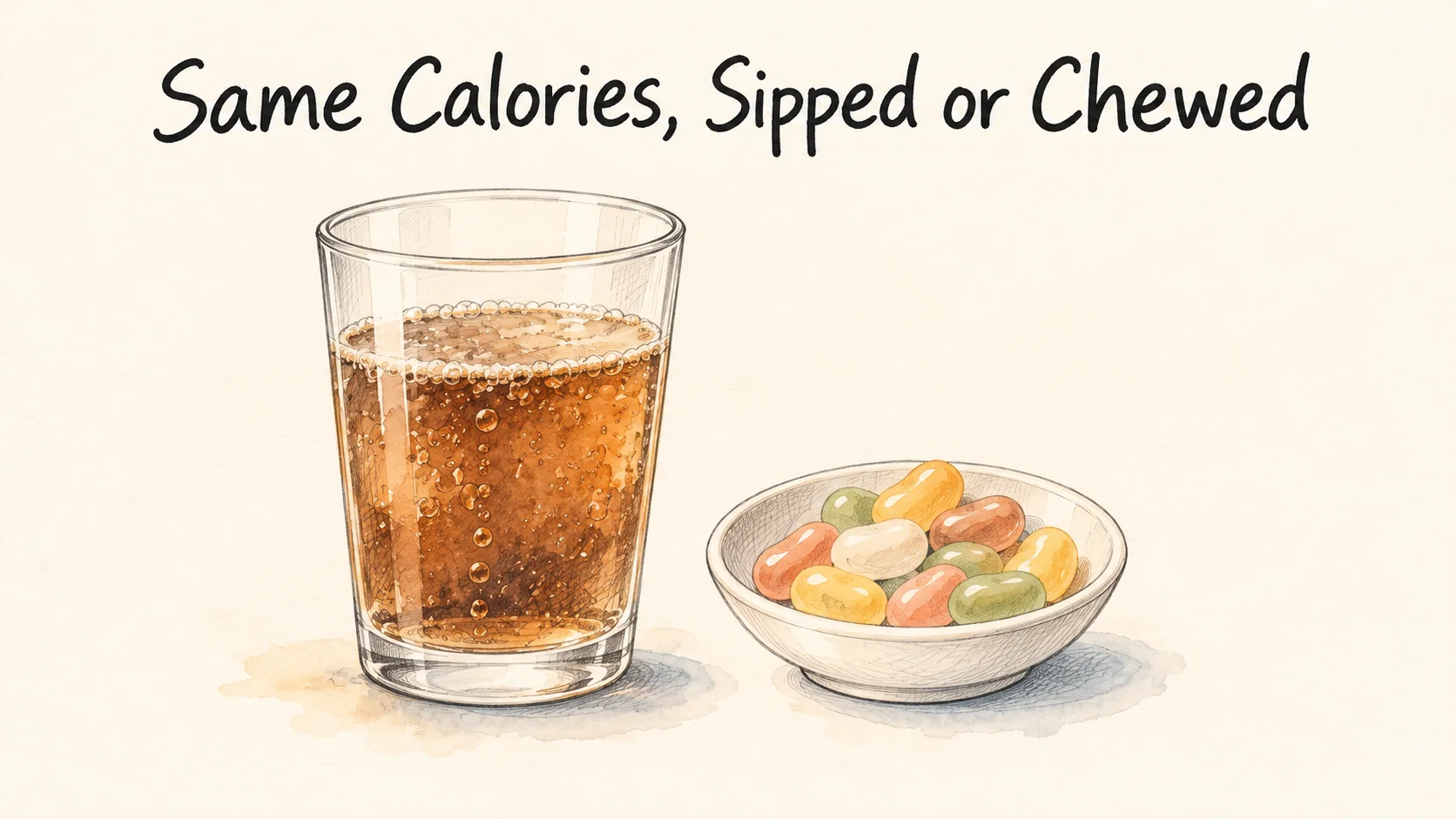
Soda and jelly beans supplied the same calories in a four-week trial. What changed was the rest of the day's food.