
Can a Ten-Minute Nap Help? It Depends When You Check
A ten-minute alarm and ten minutes of sleep are different. Nap studies also show why the first few minutes after waking deserve their own look.
You close your eyes at lunch. When the alarm sounds, you're groggier than you were before. You've got a meeting in ten minutes and had hoped the nap would make it easier to pay attention.
A short nap can improve alertness. The result depends on how long you actually sleep and how soon you check after waking. In a lab study, some changes were already apparent early after ten minutes of sleep. After thirty minutes of sleep, performance could dip at first and improve later. A nap that feels like a mistake at the moment the alarm rings can look different half an hour later [1][2].
Ten minutes on the alarm gives you a ten-minute window
Suppose you close your eyes at 12:50 and set an alarm for 1 p.m. You have ten minutes to rest. If you take five minutes to fall asleep, you get about five minutes of sleep. A laboratory can use sleep monitoring to tell when the person falls asleep and wake the person after the intended amount of sleep. Those ten minutes start at a different point from the timer on your phone [1][2].
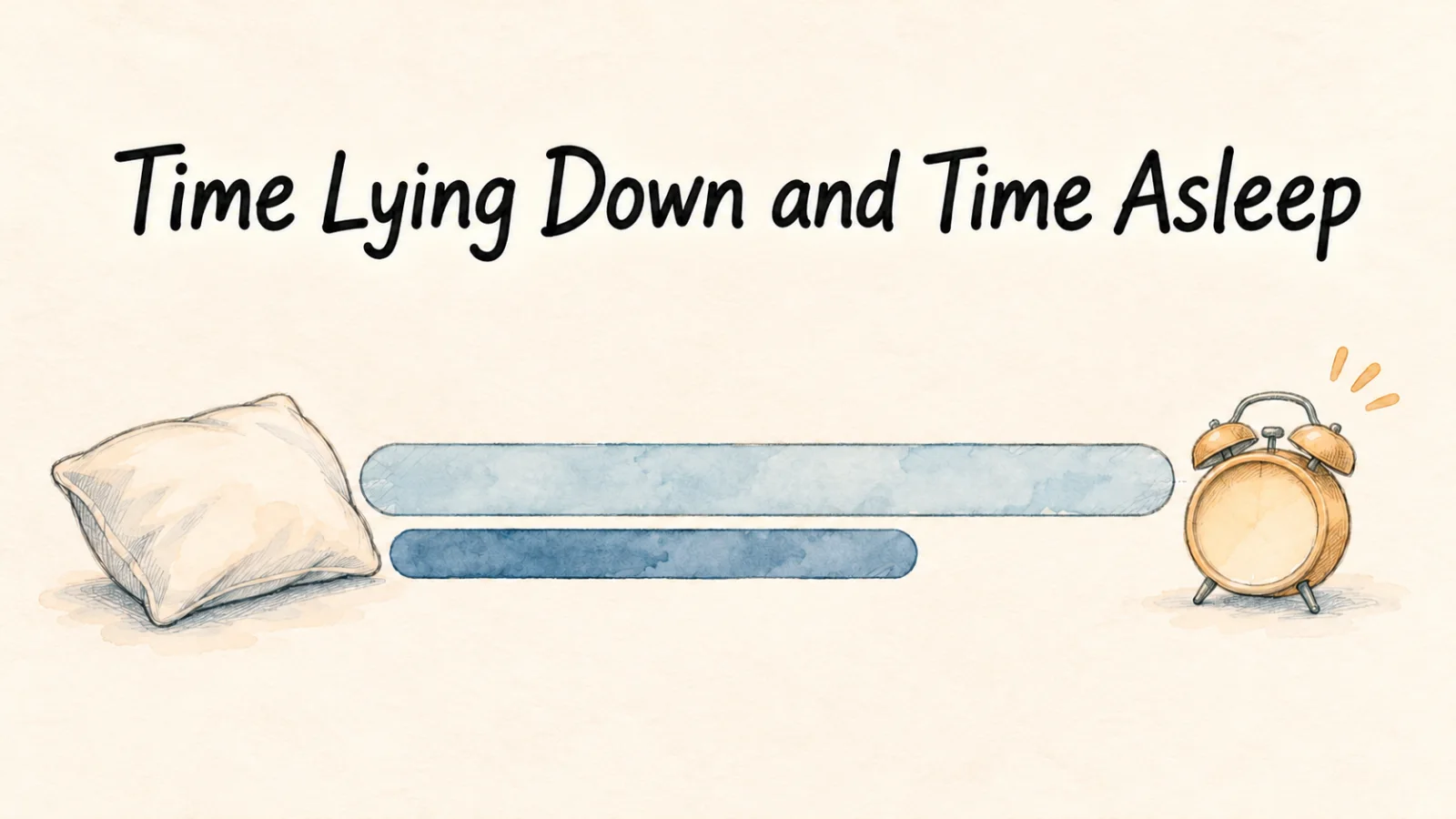
One lab study involved 24 young adults after a night of restricted sleep of about five hours. At 3 p.m., they took part in conditions with no nap or 5, 10, 20 or 30 minutes of sleep. The researchers used sleep recordings to verify the amount of sleep before testing how people felt and performed. The results compare the sleeping portions of the break [1].
You probably can't tell at home exactly when you cross from lying awake to sleeping. For your own notes, you can just record what you know. “Fifteen minutes in the chair and I think I fell asleep near the end” preserves a little more information than “fifteen-minute nap.” If you try another day, that's a record you can compare honestly.
Adding five minutes to the timer may give you five extra minutes to fall asleep, or five more minutes asleep once you've nodded off. If you can only recall the time you spent resting, write that down. The researchers used sleep recording precisely because those two kinds of time are difficult to tell apart by watching the clock alone [1][2].
What you measure five minutes after waking can change later
In the study of 24 participants, five minutes of sleep gave few measurable benefits. After ten minutes, the study found early improvements across several measures, including sleepiness, fatigue and performance on tasks. Some of those changes were still present 155 minutes after waking. Benefits after twenty minutes of sleep showed up later, around 35 minutes after waking. The thirty-minute condition showed a short dip in alertness and performance first, followed by improvement on some measures [1].
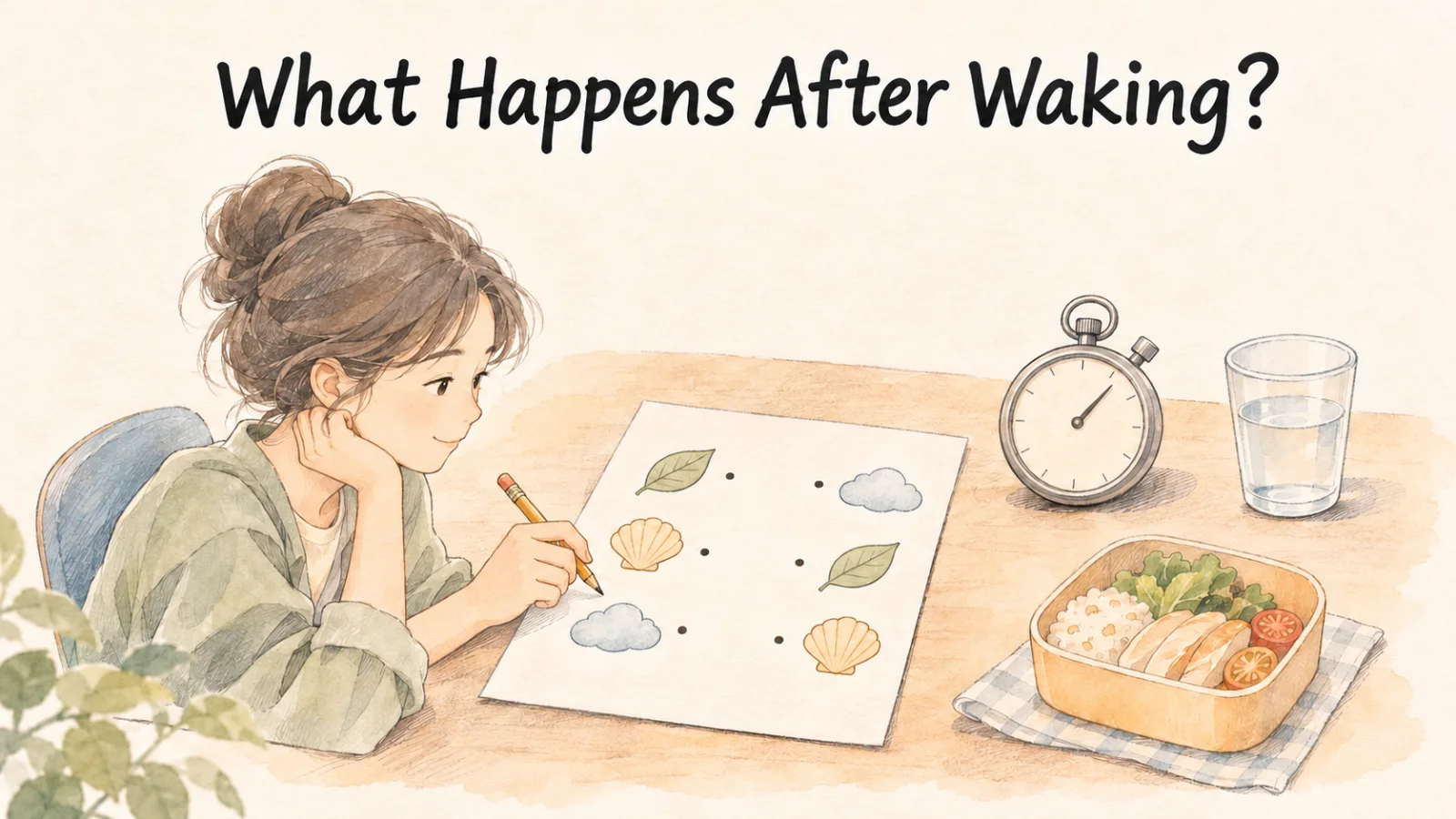
That groggy transition is called sleep inertia. Your eyes can be open while it still takes longer to find the right place on a page or make a simple response. In a lab, researchers can ask how sleepy someone feels and measure how quickly and accurately they do a task. Looking awake, feeling alert and responding quickly each capture a different part of the transition [1][2].
A later study followed 32 young adults who normally slept for short periods at night. Each tried staying awake and napping for 10, 30 or 60 minutes, with sleep duration checked by recordings. Participants processed a task more slowly five minutes after the 30- and 60-minute naps. At thirty minutes after waking, that dip had resolved. The researchers found a benefit from the 30-minute nap on a separate test of memory for new material [2].
The memory test in the newer experiment had its own timetable. Volunteers looked at pictures ninety minutes after the nap. Then they saw a mixture of old and new pictures two hundred and ten minutes later and had to identify the ones they'd seen before. The test gives a person time to wake up and then take in new information. It measures something quite different from how quickly someone can start a task within five minutes of waking [2].
155 minutes was an observation point. The earlier study still saw benefits in some measures at that time. The number describes when the team tested people, and it applies to the measures that were still different then [1].
Which part of the afternoon do you need to be ready for?
Imagine you've got a presentation at 1 p.m. If your alarm is set for 12:58, the first couple of minutes are the part you'll care about. If you have until 2 p.m. before you need to focus, you're interested in a different window. A nap can fit one schedule and feel awkward in the other, even if you spend the same amount of time asleep [1][2].
Both experiments also started with people who had been sleeping less at night. The earlier researchers restricted sleep before the nap. The newer study recruited adults who normally got relatively little sleep. A nap after a longer night or at a different time of day is another situation. These experiments describe short-term changes after an afternoon nap. They aren't a test of what happens if someone regularly replaces nighttime sleep with daytime sleep [1][2].
Leave a little space between waking up and the next thing
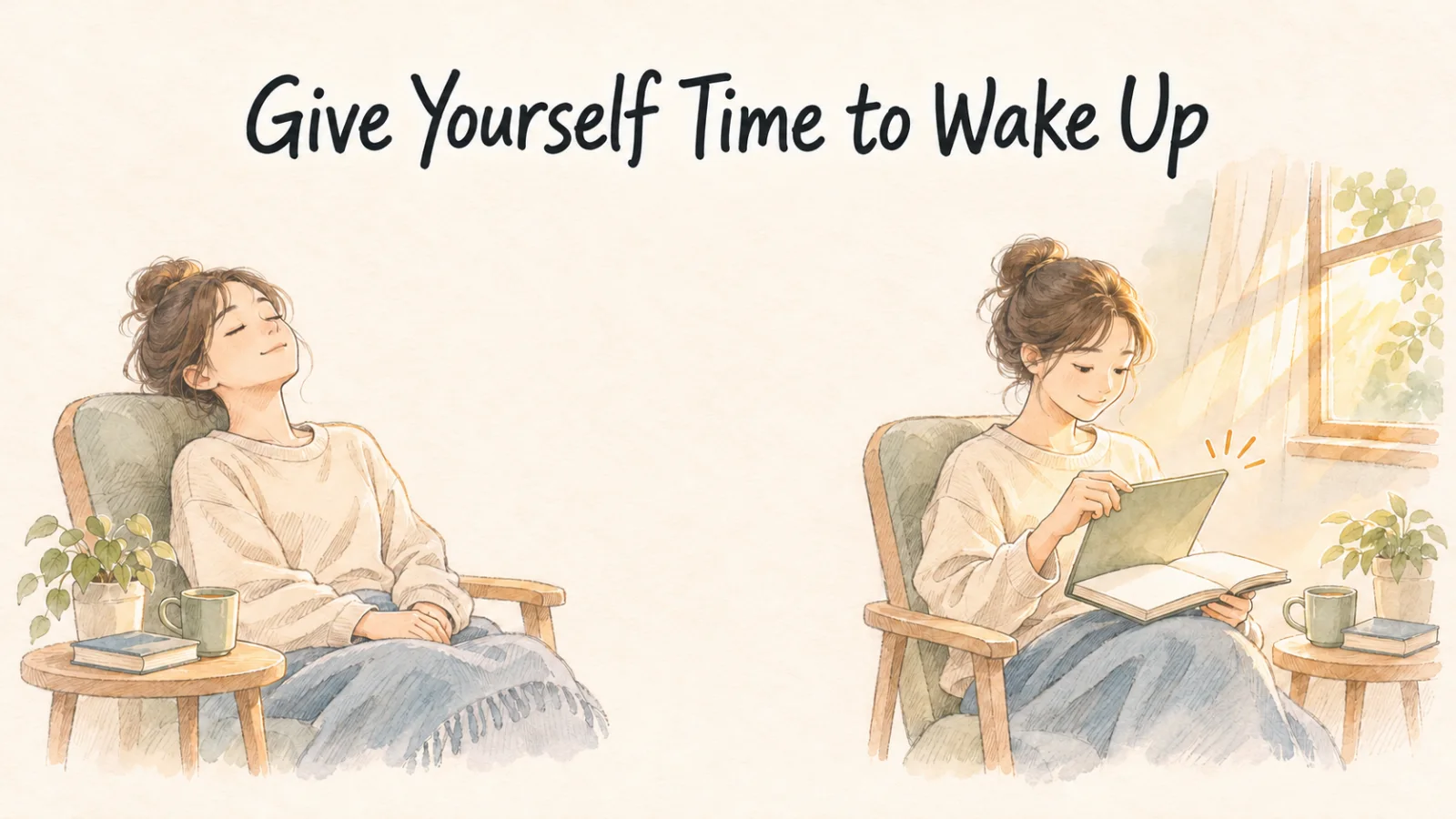
To see how you respond, choose an afternoon when you don't need to jump into something right away. Note when your break starts, when the alarm goes off and whether you remember falling asleep. Write a few words about how you feel as you get up. Then check again a little later rather than using the first impression for the whole afternoon.
Say you set a fifteen-minute timer at one. At 1:15 you open a file and find yourself reading the same sentence twice. At 1:45 you write down whether it takes the same effort. If you try it again another day, note whether the previous night's sleep and your afternoon schedule were similar. This is a way to decide where a break best fits in your day, with more context than the timer alone.
If your afternoon is tightly scheduled, count the minutes to sit up and gather your things as part of the break. A five-minute gap before a meeting and a half-hour gap are different opportunities to wake up. Your notes can help you decide which kind of afternoon makes the break easiest to fit in.
Next time the alarm rings and you still feel half asleep, give yourself a moment to sit up and come around. Then notice whether the feeling changes before you take on the next thing. How long you slept and how much time you left to wake up are both useful to know.
References
[1] Brooks A, Lack L. A brief afternoon nap following nocturnal sleep restriction: which nap duration is most recuperative? Sleep. 2006;29(6):831–840.
[2] Leong RLF, et al. Influence of mid-afternoon nap duration and sleep parameters on memory encoding, mood, processing speed, and vigilance. Sleep. 2023;46(4):zsad025.