Latest Health Insights

May 2026

  1. Activity & Training6 min read

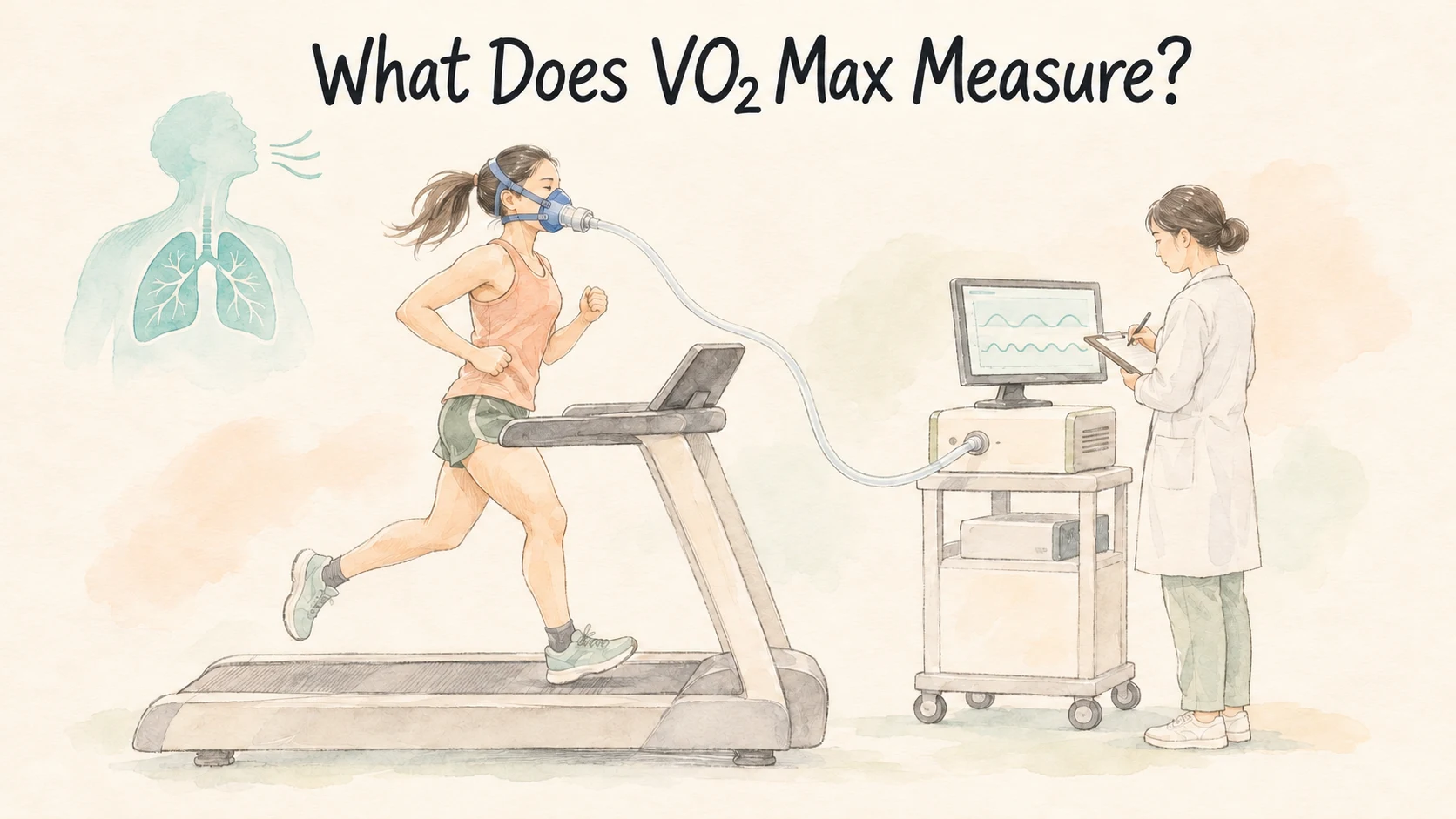
    What Does VO₂ Max Measure? How to Read Your Watch's Estimate

    What a breathing test measures, why VO₂ max is often divided by body weight, and where a watch's estimate comes from.

  2. Activity & Training5 min read

    Does Running Before Breakfast Help You Lose More Body Fat?

    People used more fat for fuel on a fasted exercise day in one lab study. A four-week trial measured something else entirely. Here’s how to read both results.
April 2026

  1. Activity & Training5 min read

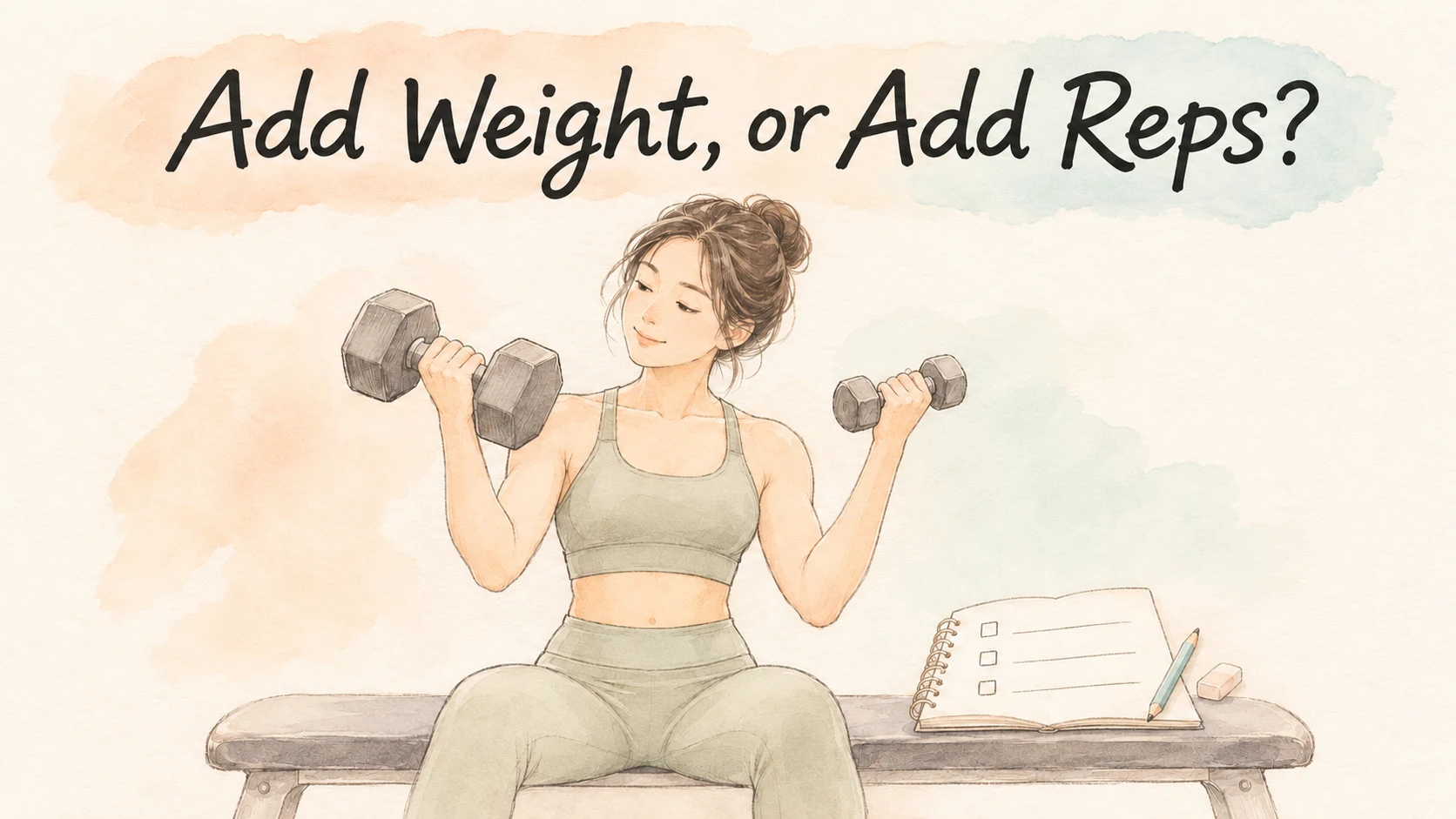
    Add Weight or Add Reps? How to Progress From 8 to 12

    When your usual dumbbell feels light but the next one feels heavy, use a rep range to decide when to move up.

March 2026

  1. Activity & Training5 min read

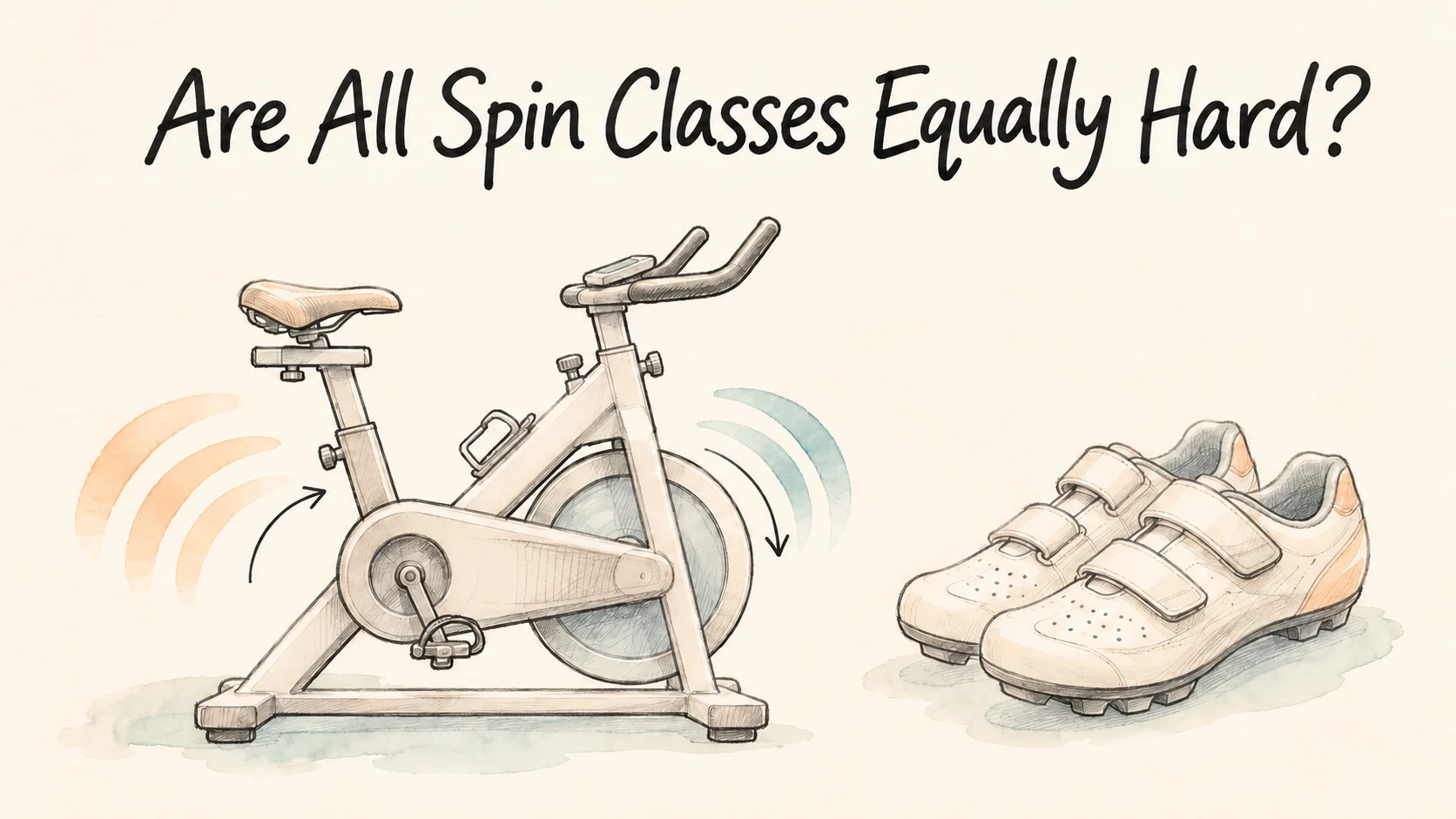
    Which Minutes of a Spin Class Are You Actually Riding Hard?

    A 45-minute class can include warm-ups, climbs and recovery. Measurements from two rides explain what your bike, breathing and heart rate each tell you.

February 2026

  1. Activity & Training5 min read

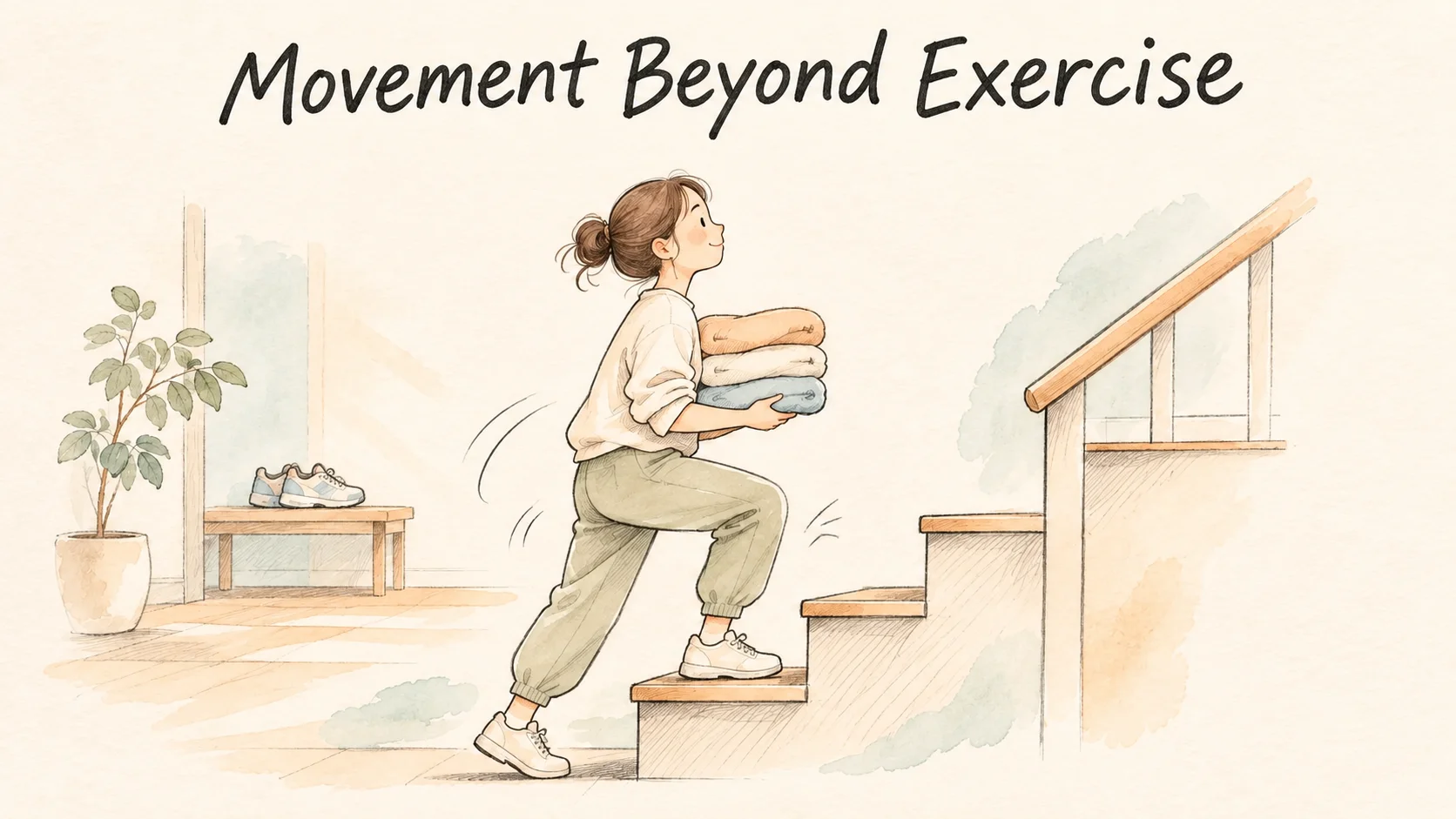
    How Much Do You Move on a Day Without Exercise?

    Walking to the bus, cooking dinner, and sitting at a desk all use energy. Three studies show how scientists measure movement outside of workouts.
  2. Activity & Training5 min read

    Do You Need to Load Creatine? What Six Days and 28 Days Meant in a Study

    A loading phase can raise muscle creatine sooner. What that early change means for strength and lean mass depends on what a study measures.
  3. Activity & Training5 min read

    A Grip Test Measures Your Hand. What Can It Tell You About Aging?

    From carrying groceries to a study across 17 countries, here's what a grip test measures and how to read it in context.
January 2026

  1. Activity & Training6 min read

    How Fast Is a Brisk Walk? How to Use 100 Steps a Minute

    Walking cadence and effort can tell different stories. Learn where the 100-step rule comes from, then try it alongside the talk test.
  2. Activity & Training6 min read

    Your Watch Says You Burned 400 Calories. How Accurate Is It?

    A watch can pick up your pulse and still be far off on calories. Three experiments explain how the estimate works and what to track on your next run.